
Introduction :
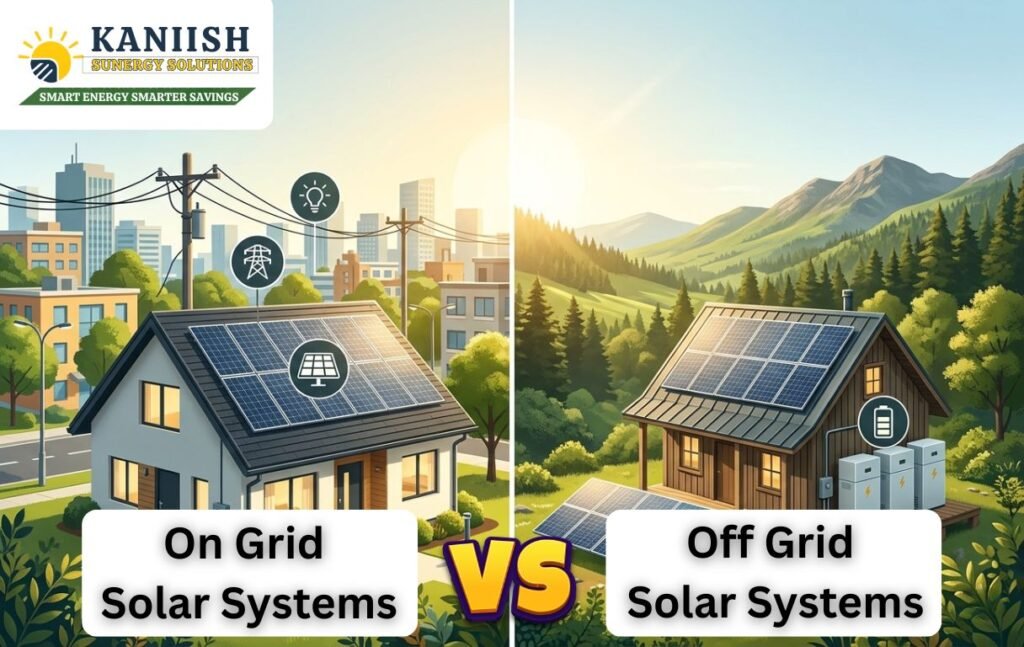
As electricity costs surge and consciousness towards sustainable living rises, solar energy is fast becoming the preferred choice for homes and businesses a like. But the most significant choice when it comes to solar power is a decision between an on-grid and off-grid solar system.
Both systems have their own unique advantages, but it ultimately comes down to your energy needs, budget and location. In this post, we’ll break down the features, benefits and limitations of each system so you can make an informed decision you work best for your organization.
What does an on-grid solar system use?
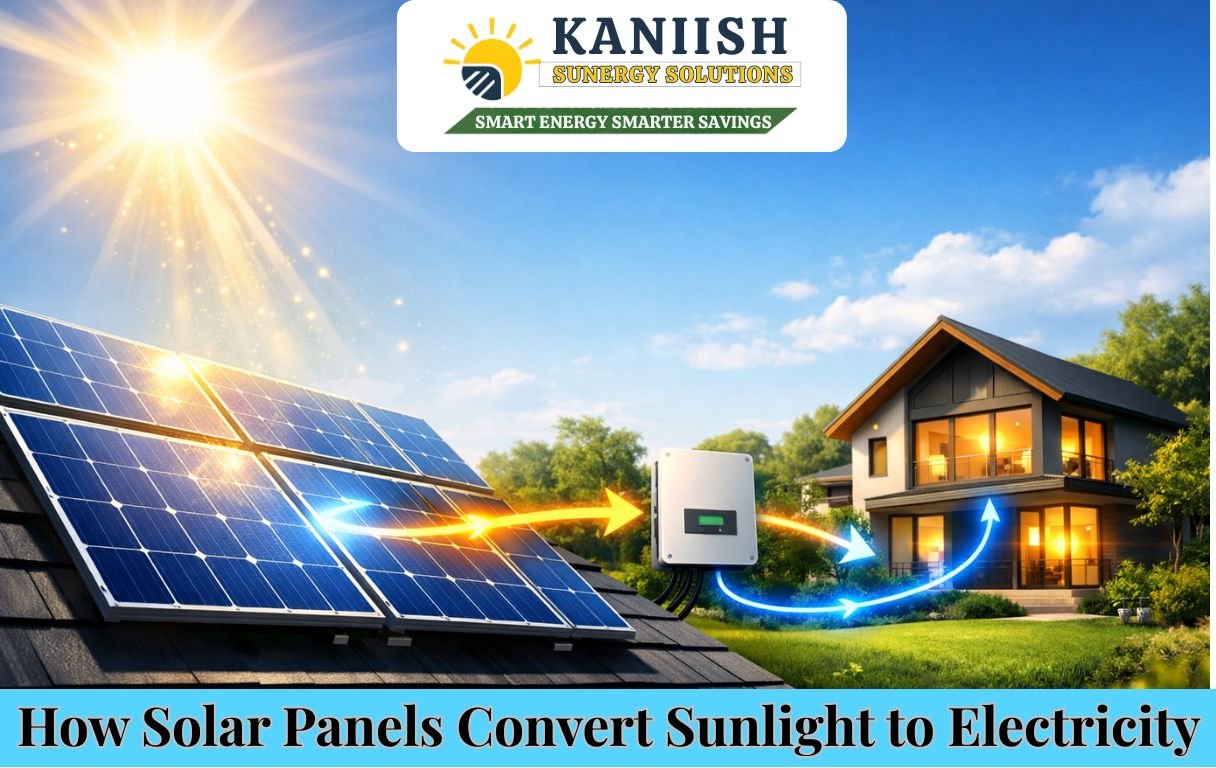
An on-grid solar system (or grid-tied system) is directly connected in parallel with the local electricity grid. It creates electricity via solar panels and provides it to your home, as well as interacting with the grid.
How It Works :
1.Solar produces energy during daylight
2.Any excess power is fed back to the grid
3.When solar generation is low, you can pull electricity from the grid
Key Features :
1.No battery storage required
2.Net metering (receive credits for excess power)
3.Lower installation cost
What Is an Off-Grid Solar System?
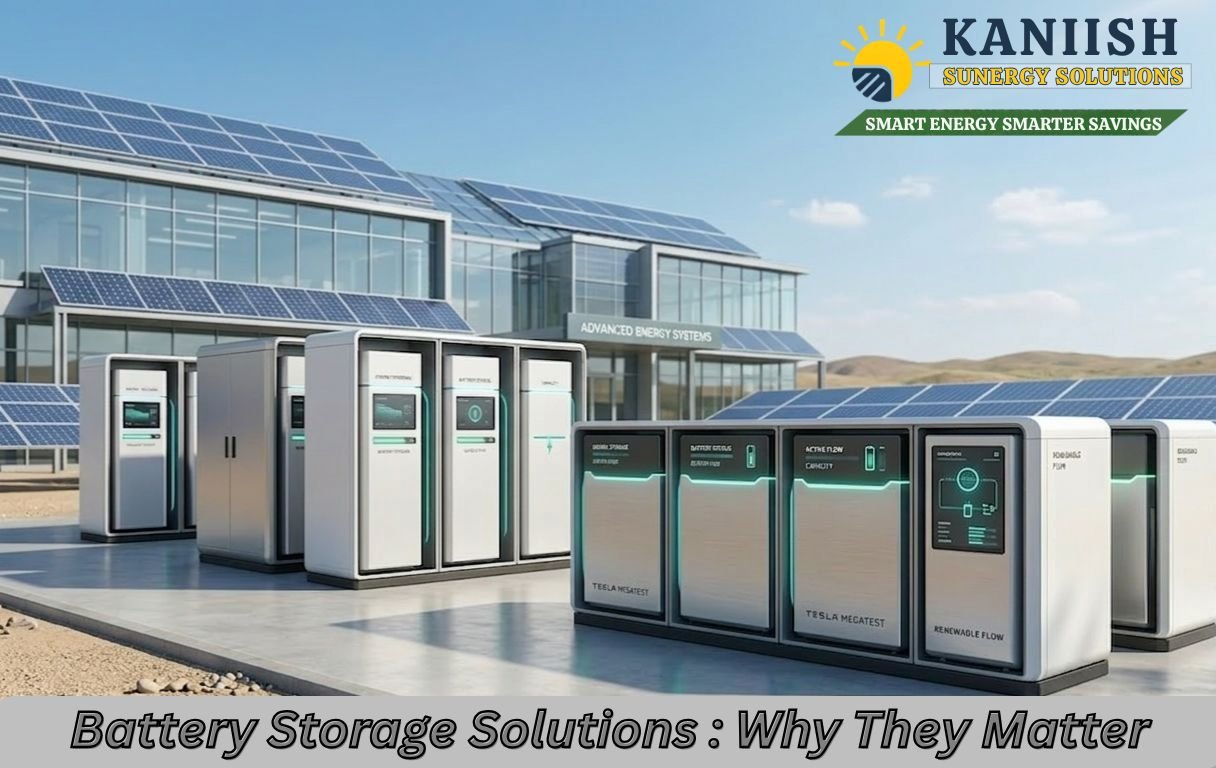
An off-grid solar system, as the name implies, runs separately and isn’t attached to the electric grid. It uses Battery storage to supply energy when solar power is not available.
How It Works :
1.Solar panels generate electricity
2.Energy is stored in batteries
3.Energy is stored during the day, to be used at night or on a cloudy day
Key Features :
1.Complete energy independence
2.Requires batteries for storage
3.Suitable for remote areas
Advantages of On-Grid Solar Systems :
1.Affordable: Initial cost will be lower without batteries
2.Benefits of Net Metering: Get credits for deadweight energy
3.Easy Maintenance: Fewer components
4.Efficient: Direct use and line support
Limitations :
1.No power during outages
2.Dependent on the grid
Advantages of Off-Grid Solar Systems :
1.Energy Independence: No electricity provider dependence
2.Electricity Backup: In case of breakdown, there is no outage
3.Perfect in a Secluded Area: Functioning society where electrical utility is not within reach
Limitations :
1.Higher installation cost
2.Battery maintenance required
3.Limited energy storage capacity
Which system is best for you?
Whether you go with on-grid or off-grid depends on your situation:
Choose On-Grid If :
1.You exist in a city or town with dependable electricity
2.You are trying to save on power bills
3.You prefer a lower investment
Choose Off-Grid If :
1.You live off-grid in a remote area
2.You need uninterrupted power supply
3.You want complete energy independence
Hybrid Solar System: The Best of Both Worlds :
For those who want the benefits of both an on-grid and off-grid solar system, consider a Hybrid solar system that connects to the grid with battery storage. It allows you to:
1.Store excess energy
2.Use grid backup when needed
3.Enjoy power during outages
Conclusion :
Both on-grid and off-grid solar systems offer unique advantages; however, the ideal choice ultimately depends on your energy consumption needs, as well as your location and budget. Therefore, it is essential to carefully evaluate these factors before making a decision.”their own benefits, but an ideal pick actually depends on your energy consumption needs as well as location and budget.
On-grid system is best if you are looking at cost saving and simple solutions. But if you need total independence and reliability, it is worth the investment in an-off grid system.
The right solar solution today can SAVE you money, guarantee energy security and help build a greener future!