

Introduction :
Today, solar power remains fast-expanding throughout India. Higher power prices and growing environmental concerns drive consumers to cleaner alternatives. Thus, with that, nowadays everyone is adopting solar energy to cut down the electricity bills and help save the environment.
The Government of India also provides various subsidies and incentives for solar installations to support the nation’s transition toward renewable energy. Moreover, these financial advantages make solar systems more economically accessible and further motivate individuals to embrace alternative energy sources. In this guide, you will learn about solar subsidies in India, the available incentive schemes, and the key advantages of installing solar power for both households and businesses.
Why the Government Promotes Solar Energy :
In nations where fossil-fuel use remains rampant, India emerges as a leader in promoting clean energy by increasing power generation and reducing dependence on fossil fuels. Therefore, the government actively encourages solar energy adoption across the country, further supporting the nation’s sustainable and renewable energy goals.
There are a number of key reasons why government initiatives support solar energy:
1.Solar energy first lowers protections for households and companies.
2.Moreover, it also keeps the environment safe.
3.In addition, solar power helps energy independence.
4.Finally, solar adoption supports India’s renewable energy targets.
These advantages have led to the government offering new, attractive subsidies and incentive programs.
PM Surya Ghar Muft Bijli Yojana :
PM Surya Ghar Muft Bijli Yojana is one of the most significant government-backed schemes currently under the rooftop solar adoption scheme. The program provides financial assistance to households that install rooftop solar systems.
This enables homeowners to produce their own electricity and drastically lower their power bills.
Key Benefits :
1.Funding to install rooftop solar displays
2.Lower monthly electricity bills
3.Clean and sustainable energy generation
Subsidy Structure :
Through this program, households are able to receive subsidies based on system capacity.
1. Up to 2 kW – ₹30,000 per kW
2. 2 kW to 3 kW – ₹18,000 per kW
3. Maximum subsidy must not exceed – ₹78,000
This subsidy support enables many homeowners to install solar systems at a lower upfront cost.
State Government Solar Incentives :
In addition to the central government subsidies, various state governments also promote solar with further incentives.
For example, many states provide:
1. Additional solar subsidies
2.Net metering benefits
3.Simplified approval procedures
4.Extra incentives for residential users
As such, consumers need to look into the solar policies in their states before setting up a solar system.
Net Metering Benefits :
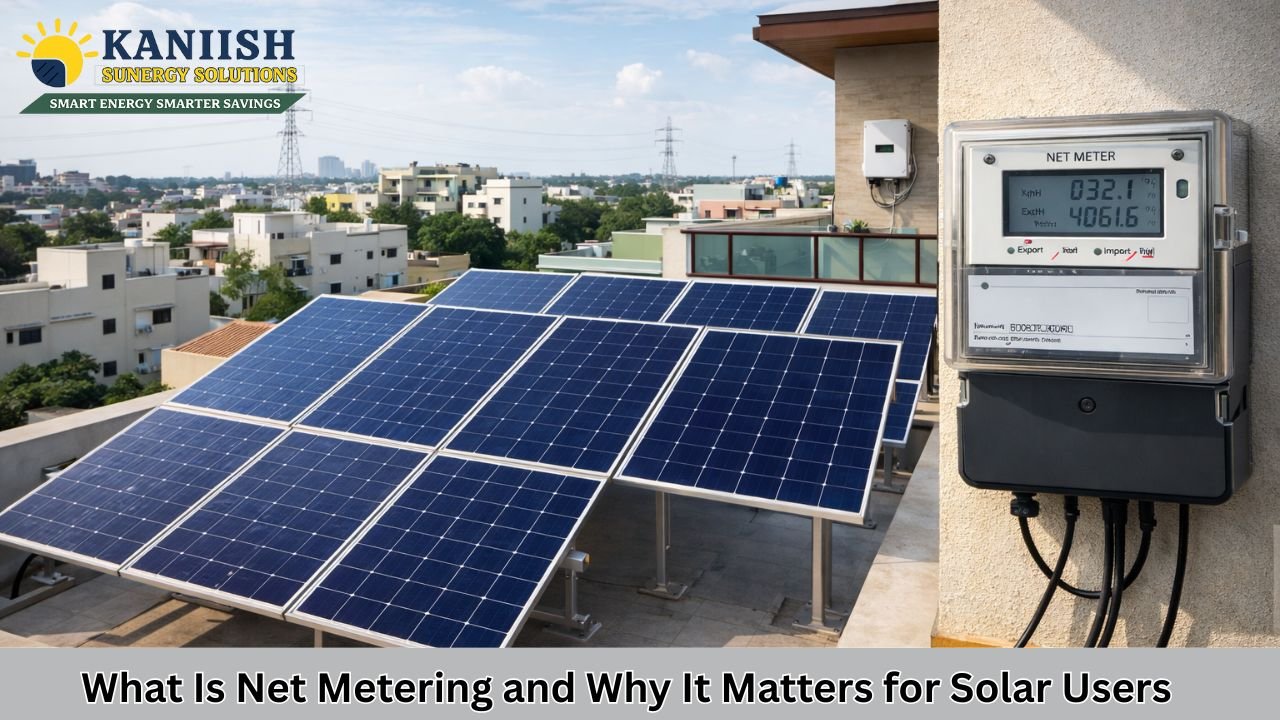
A major benefit to solar users is net metering. With this system, homeowners can push excess electricity back into the power grid.
How Net Metering Works :
1.First, solar panels produce power during the day.
2.Then the house uses this electricity for daily purpose.
3.If the system generates more power, excess energy goes to grid.
4.Lastly, the electricity board applies credits directly in the last monthly electricity bill.
5.This allows solar users to dramatically cut electricity costs.
Tax Benefits for Businesses :
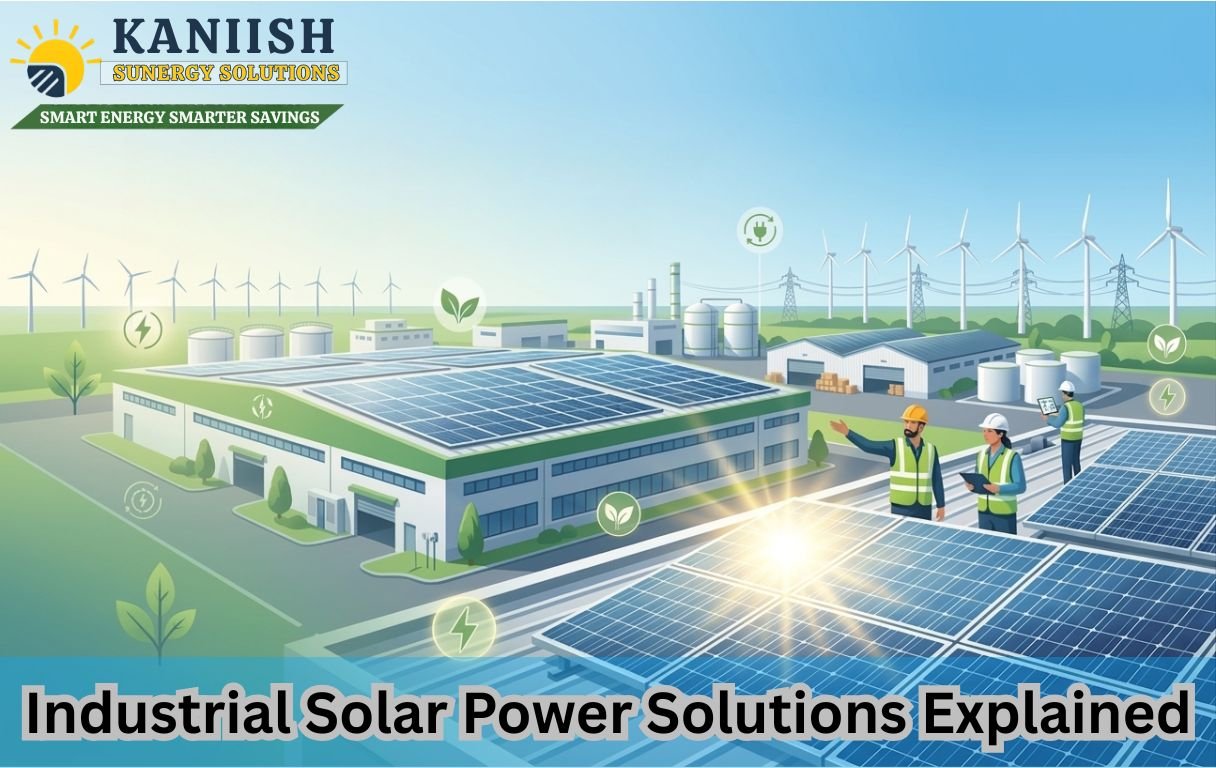
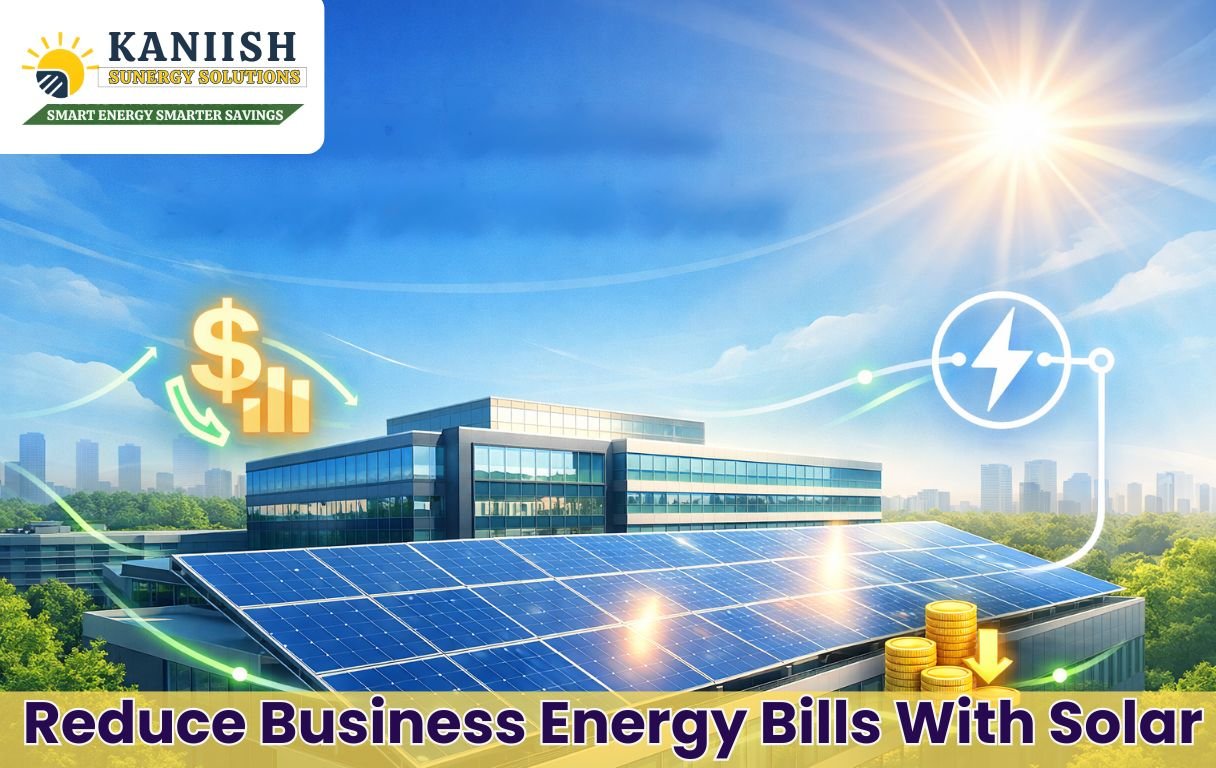
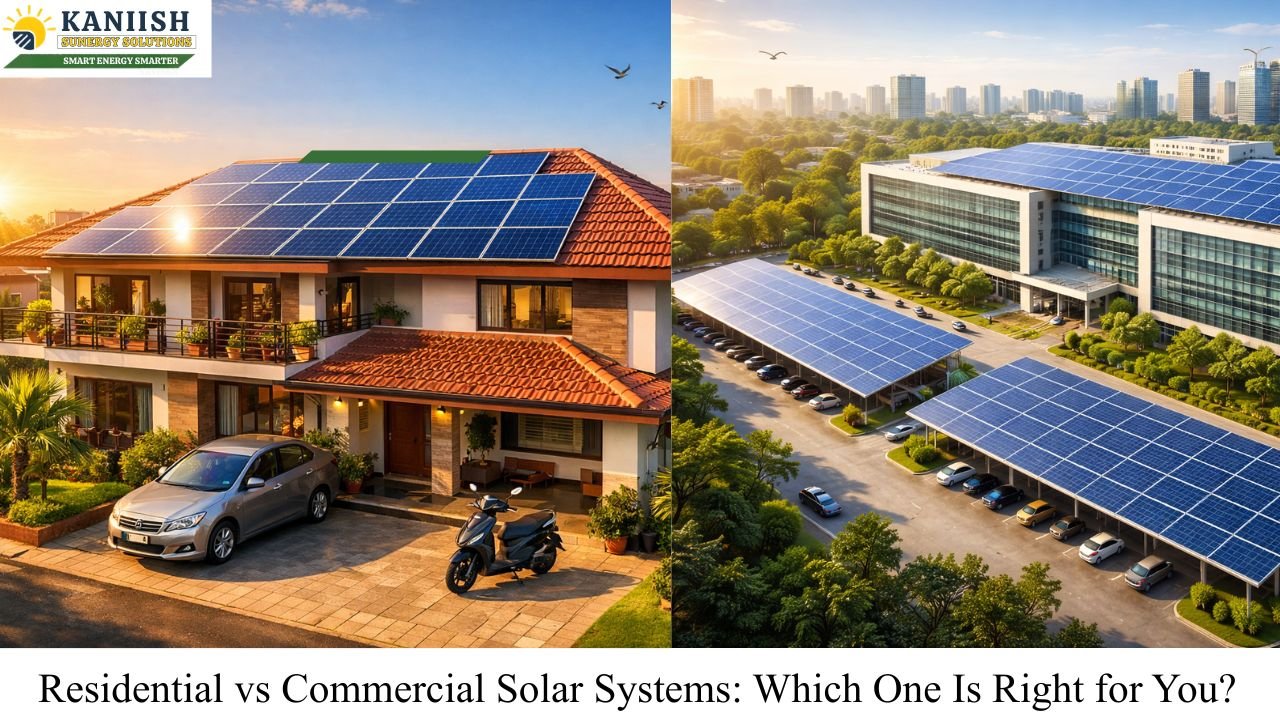
Solar energy can also deliver significant benefits to the commercial and industrial sectors. For instance, many businesses are now utilizing solar systems to lower operating costs, while simultaneously boosting long-term profitability. Moreover, adopting solar power enhances corporate sustainability and strengthens a company’s commitment to clean energy.
Accelerated Depreciation Benefits :
Under income tax laws, businesses are able to take favored accelerated depreciation on solar installations.
1.This benefit helps companies:
2.Reduce taxable income
3.Improve cash flow
4.Recover investment faster
5.Lower electricity costs
Of course, solar is great for businesses financially, too.
Solar Financing and Loan Options :
While solar installation can be a significant up-front investment, payment plans have made the process easier for many consumers.
Many banks and financial institutions offer solar loans at attractive interest rates today.
These financing options offer:
1.Affordable EMI payment options
2.Renewables projects at lower rates of interest
3.Easy access to solar technology
As a result, homeowners and businesses are able to have solar systems with no heavy upfront costs.
How to Apply for Solar Subsidy :
The solar subsidy application process remains simple and straightforward.
Steps to Apply
- First, register on the official rooftop solar portal.
- Then, choose an approved solar installation vendor.
- Next, submit the required documents and installation details.
- After that, install the rooftop solar system.
- Authorities inspect and approve the system.
- Finally, the government credits the subsidy amount to your bank account.
By following these steps, homeowners can easily access government incentives.
Benefits of Installing Solar with Government Support :
With government subsidies and incentives, solar energy offers several long-term advantages.
Major Benefits
- Significant reduction in electricity bills
- Government subsidy up to ₹78,000
- Clean and eco-friendly energy generation
- Higher property value
- Long-term energy savings
Therefore, solar energy stands as one of the smartest investments for homes and businesses.
Conclusion :
Solar energy continues to rapidly transform India’s energy landscape. As a result, rising electricity prices encourage more people to explore renewable energy solutions. Furthermore, government subsidies and incentives make solar systems more affordable and easily accessible, thereby promoting wider adoption of clean and sustainable energy across the country.
By installing solar panels, homeowners and businesses can significantly reduce electricity costs, while simultaneously protecting the environment and gaining long-term financial benefits. Consequently, solar energy provides a powerful and reliable solution for sustainable living, as well as achieving energy independence.
Now represents the perfect time to invest in solar power and take advantage of the government incentives available in India.