Introduction
As electricity prices continue to rise, energy efficiency has become a priority for homeowners, businesses, and industries. Smart Energy Management helps users monitor, control, and optimize energy consumption through advanced technologies such as smart meters, IoT devices, automation, and data analytics. By implementing a Smart Energy Management System (SEMS), organizations can reduce energy waste, lower electricity bills, and improve operational efficiency.
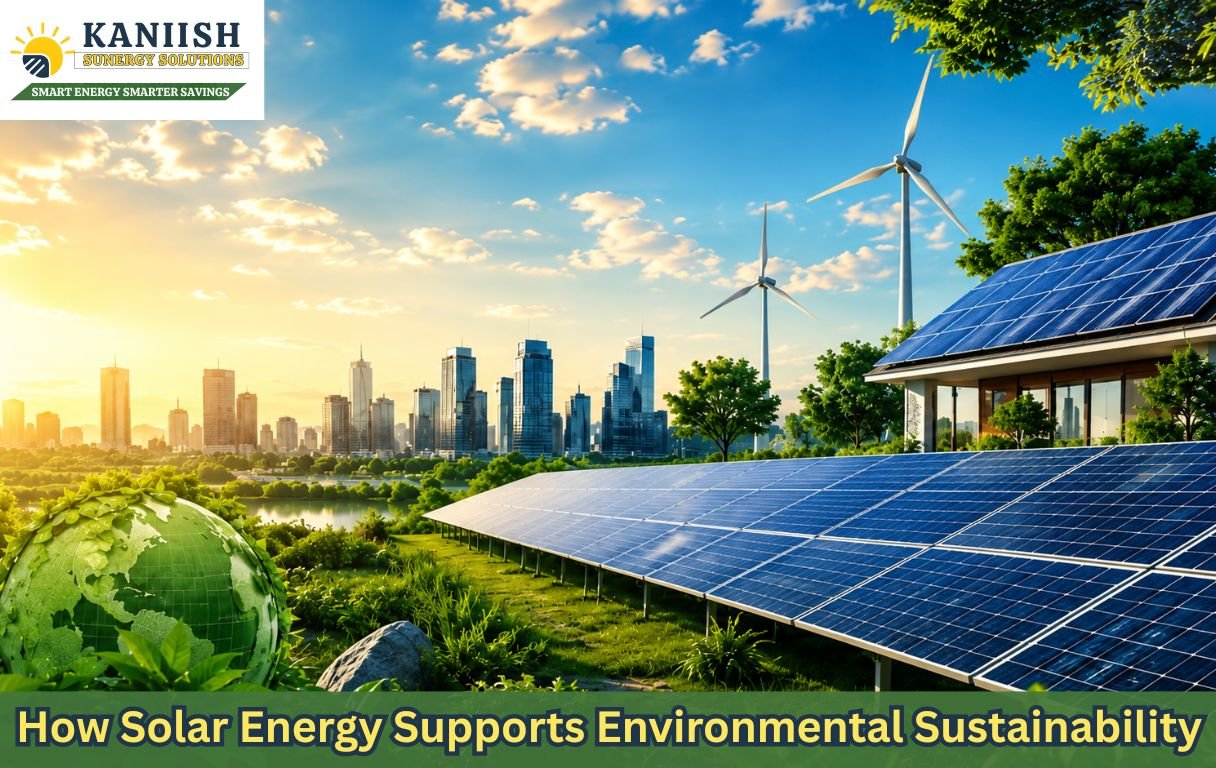
Moreover, Smart Energy Management supports environmental sustainability by reducing carbon emissions and maximizing energy efficiency. Whether you own a home, manage a commercial building, or operate an industrial facility, Smart Energy Management offers a practical solution for reducing energy costs while improving overall performance.
What is Smart Energy Management?
Smart Energy Management is a technology-driven approach that monitors, analyzes, and controls energy consumption in real time. Unlike traditional energy management methods, smart systems automatically collect data, identify energy usage patterns, and optimize electricity consumption.
Furthermore, these systems provide detailed insights that help users make informed decisions, eliminate unnecessary energy usage, and improve overall efficiency. As a result, organizations achieve better energy performance while reducing operating costs.
Why is Smart Energy Management Important?
Modern homes, commercial buildings, and industries consume significant amounts of electricity every day. However, without proper monitoring, energy waste increases operational costs and reduces efficiency.
Smart Energy Management helps organizations:
- Reduce electricity bills
- Improve energy efficiency
- Monitor energy consumption in real time
- Increase equipment performance
- Reduce carbon emissions
- Support renewable energy integration
- Achieve sustainability goals
Therefore, businesses and homeowners gain better control over energy usage while lowering overall operating expenses.
How Smart Energy Management Works
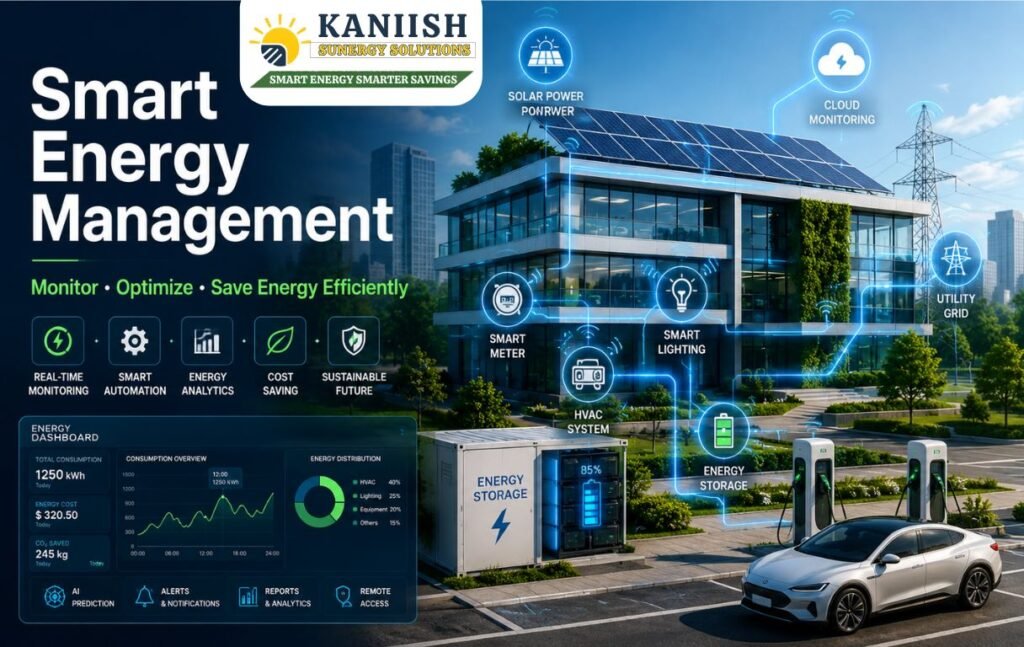
A Smart Energy Management System (SEMS) combines intelligent hardware and software to monitor and optimize electricity usage.
The system works through the following steps:
- Smart sensors continuously monitor electricity consumption.
- Smart meters record real-time energy usage.
- IoT devices connect appliances, equipment, and machinery.
- Energy management software analyzes consumption patterns.
- Automated controls regulate lighting, HVAC systems, and electrical equipment.
- Mobile and cloud platforms provide instant reports and alerts.
Consequently, users consume electricity more efficiently, reduce energy waste, and improve system performance.
Key Components of a Smart Energy Management System
Smart Meters
Smart meters measure electricity consumption in real time and provide accurate energy usage data for better monitoring.
IoT Sensors
IoT sensors monitor occupancy, lighting, temperature, equipment performance, and environmental conditions continuously.
Energy Management Software
Energy management software collects, analyzes, and visualizes energy data. In addition, it generates reports and recommends improvements that increase energy efficiency.
Automation Systems
Automation systems control lighting, air conditioning, ventilation, heating, and electrical equipment according to real-time energy demand.
Cloud Monitoring
Cloud-based platforms enable users to monitor energy consumption remotely through smartphones, tablets, and computers anytime and anywhere.
Benefits of Smart Energy Management
Reduce Electricity Bills
Smart Energy Management identifies unnecessary electricity consumption and helps users reduce monthly energy costs.
Improve Energy Efficiency
The system optimizes electricity usage while minimizing energy waste across residential, commercial, and industrial facilities.
Monitor Energy in Real Time
Real-time monitoring enables users to identify abnormal energy consumption quickly and take corrective action immediately.
Increase Equipment Lifespan
Continuous monitoring detects inefficient equipment early, reduces maintenance costs, and improves equipment performance.
Support Environmental Sustainability
Lower energy consumption reduces greenhouse gas emissions and supports environmentally responsible business operations.
Make Better Business Decisions
Energy reports and analytics provide valuable insights that help organizations improve planning, budgeting, and investment decisions.
Applications of Smart Energy Management
Residential Buildings
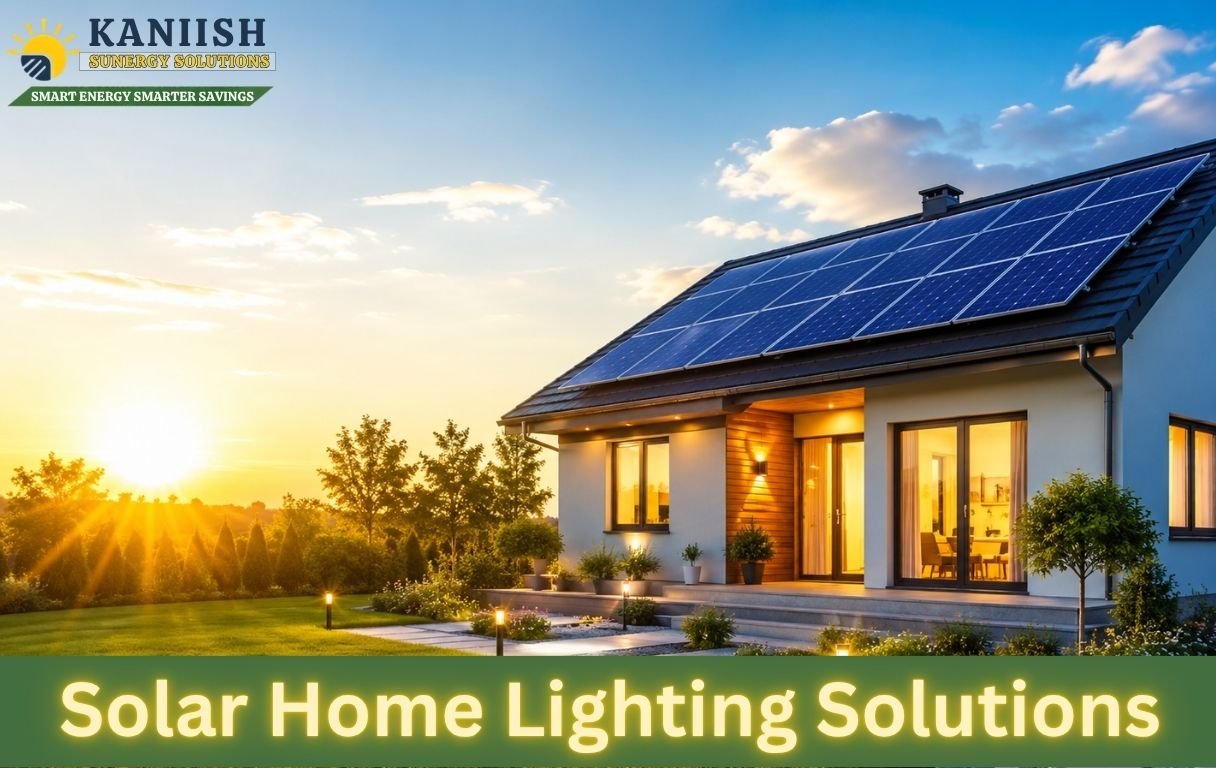
Homeowners use Smart Energy Management to automate lighting, air conditioning, water heaters, and household appliances while reducing electricity consumption.
Commercial Buildings
Offices, shopping malls, hotels, hospitals, and retail stores use intelligent energy management systems to optimize electricity usage and reduce operating expenses.
Manufacturing Industries
Manufacturing facilities monitor machinery, reduce energy waste, improve production efficiency, and lower operational costs.
Educational Institutions
Schools, colleges, and universities improve energy efficiency by managing classrooms, laboratories, lighting systems, and HVAC equipment effectively.
Healthcare Facilities
Hospitals optimize critical power systems while maintaining reliable energy performance and minimizing unnecessary electricity consumption.
Smart Energy Management and Renewable Energy
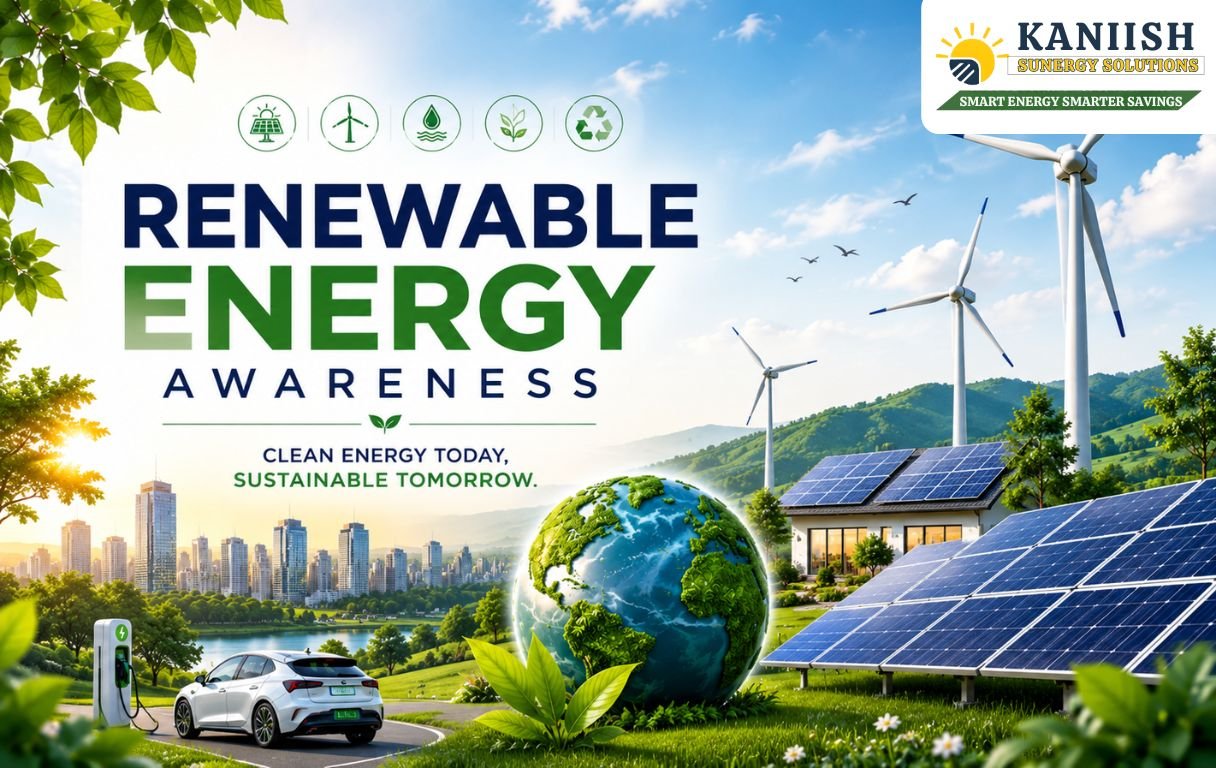
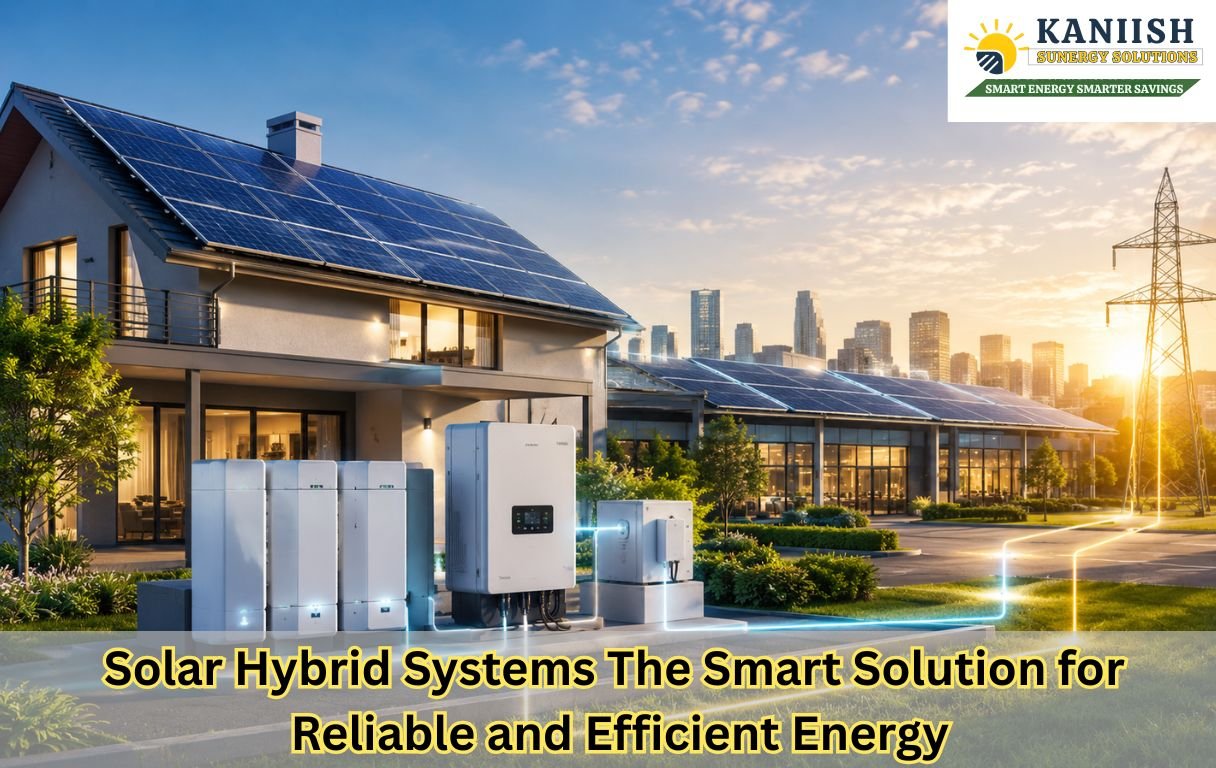
Smart Energy Management integrates seamlessly with renewable energy sources such as solar and wind power.
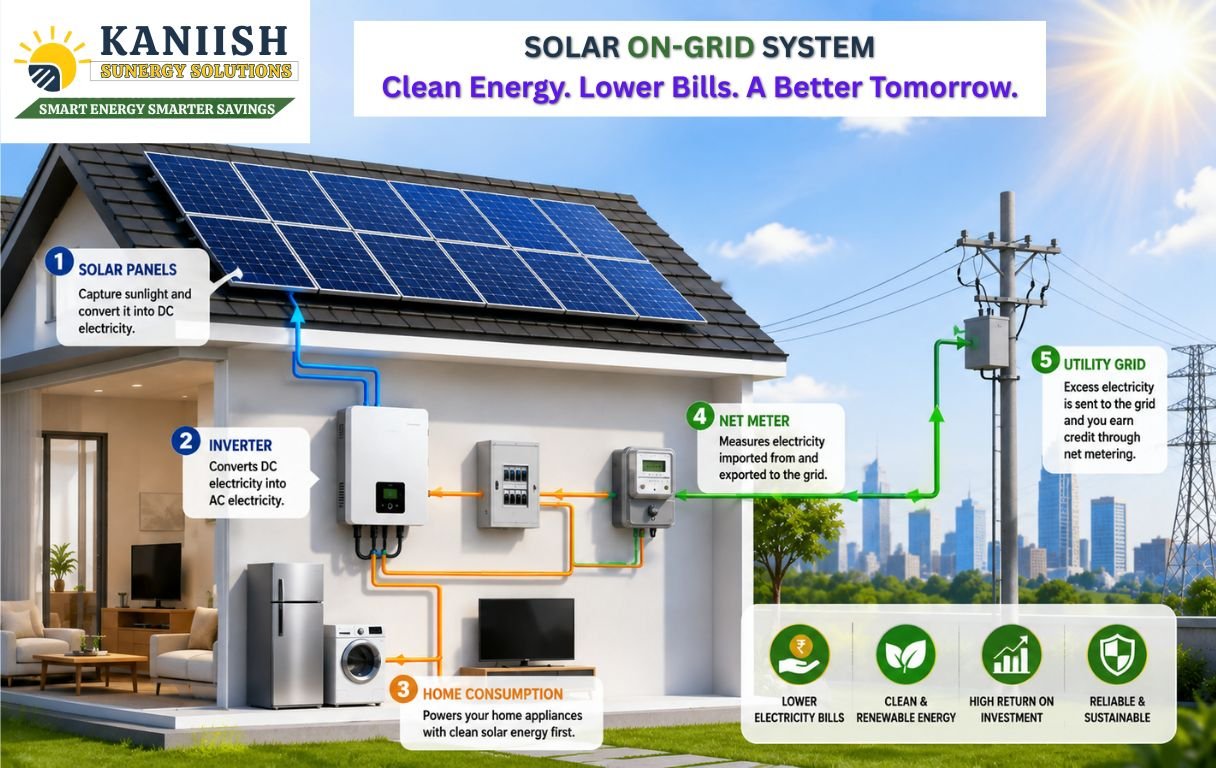
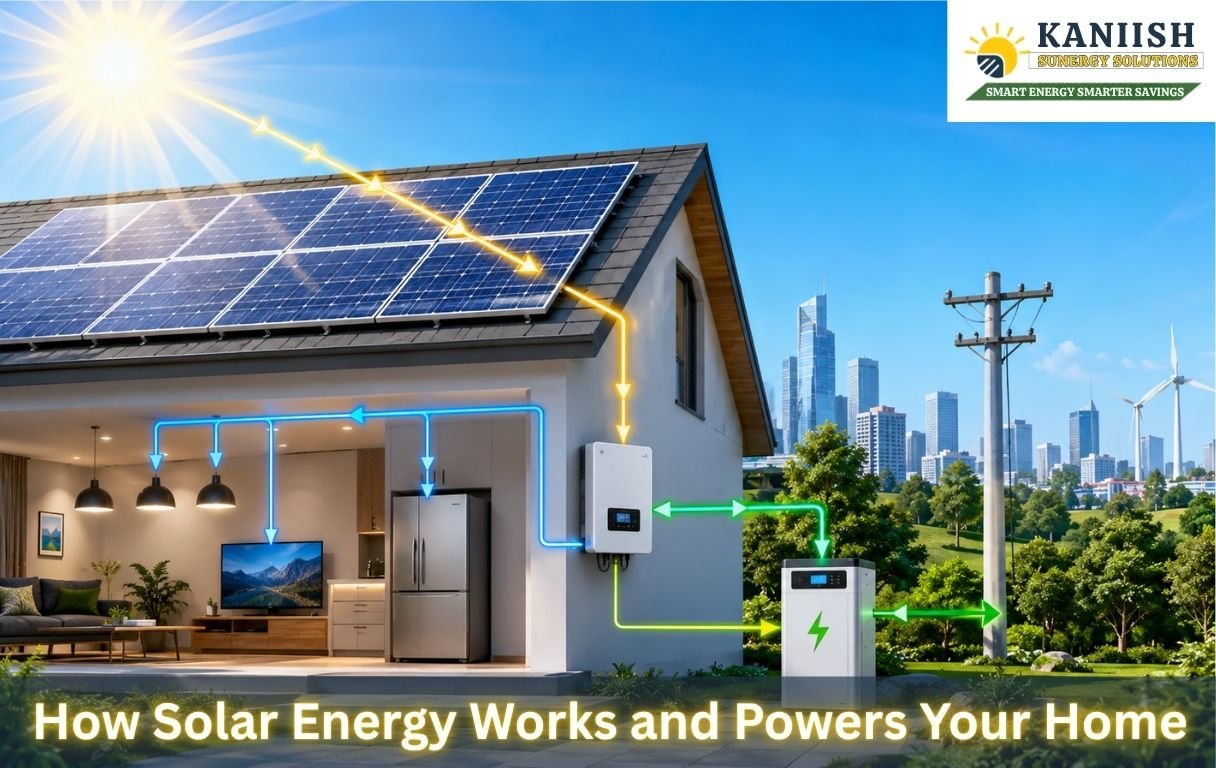
For example, solar panels generate electricity during the day, while Smart Energy Management distributes power efficiently throughout the building. Additionally, the system stores excess electricity in battery storage systems or exports it to the electrical grid.
As a result, organizations maximize renewable energy utilization while reducing dependence on conventional electricity sources.
Future of Smart Energy Management
The future of Smart Energy Management continues to evolve with Artificial Intelligence (AI), Machine Learning (ML), the Internet of Things (IoT), and Cloud Computing.
These technologies enable predictive maintenance, intelligent automation, real-time analytics, and optimized energy distribution. Furthermore, smart grids, battery storage systems, and electric vehicles will improve energy efficiency while supporting sustainability initiatives.
Consequently, Smart Energy Management will become an essential part of modern digital infrastructure across every industry.
Best Practices for Smart Energy Management
Organizations should follow these best practices to maximize energy savings and operational efficiency:
- Conduct regular energy audits.
- Install smart meters and IoT sensors.
- Monitor electricity consumption continuously.
- Automate lighting and HVAC systems.
- Schedule preventive equipment maintenance.
- Integrate renewable energy solutions.
- Review energy reports regularly.
- Train employees on energy-saving practices.
- Set measurable energy efficiency goals.
- Upgrade to energy-efficient equipment.
By following these practices, organizations can reduce electricity costs, improve operational efficiency, and achieve long-term sustainability.
Conclusion
Smart Energy Management provides an intelligent solution for monitoring, controlling, and optimizing energy consumption. By combining smart meters, IoT technology, automation, cloud monitoring, and advanced analytics, organizations can reduce electricity costs, improve operational efficiency, and achieve sustainability goals.
Ultimately, as global energy demand continues to increase, Smart Energy Management will play a critical role in creating energy efficient homes, commercial buildings, and industrial facilities. Therefore, investing in Smart Energy Management today helps businesses and homeowners reduce carbon emissions, lower operating expenses, and build a smarter, greener, and more sustainable future.