

Introduction :
Nineteen hundreds were the time when dependence on fossil fuels was rising fundamentally and now with so many environmental issues that we face globally today like climate change, air pollution, depletion of natural resources — this dependence is also less concerning than ever. Hence, the demand for clean as well as renewable energy solutions has surged enormously. Solar energy is one of the most efficient and environmentally friendly of all renewable energy sources at your disposal. Solar power is a renewable energy that captures the sun’s rays and converts it into clean electric energy without any damaging emissions, no pollution, and no environmental degradation.
With that being said, the world of solar power is changing quickly. Be it homes, commercial buildings, industries or solar farms on a large scale, citizens across the world are using solar power and renewable energy not just to save electricity bills but also to ensure a sustainable future. Moreover, although renewable energy systems are generally great financial investments, solar panels also have very positive effects long-term for the environment and social goodwill.
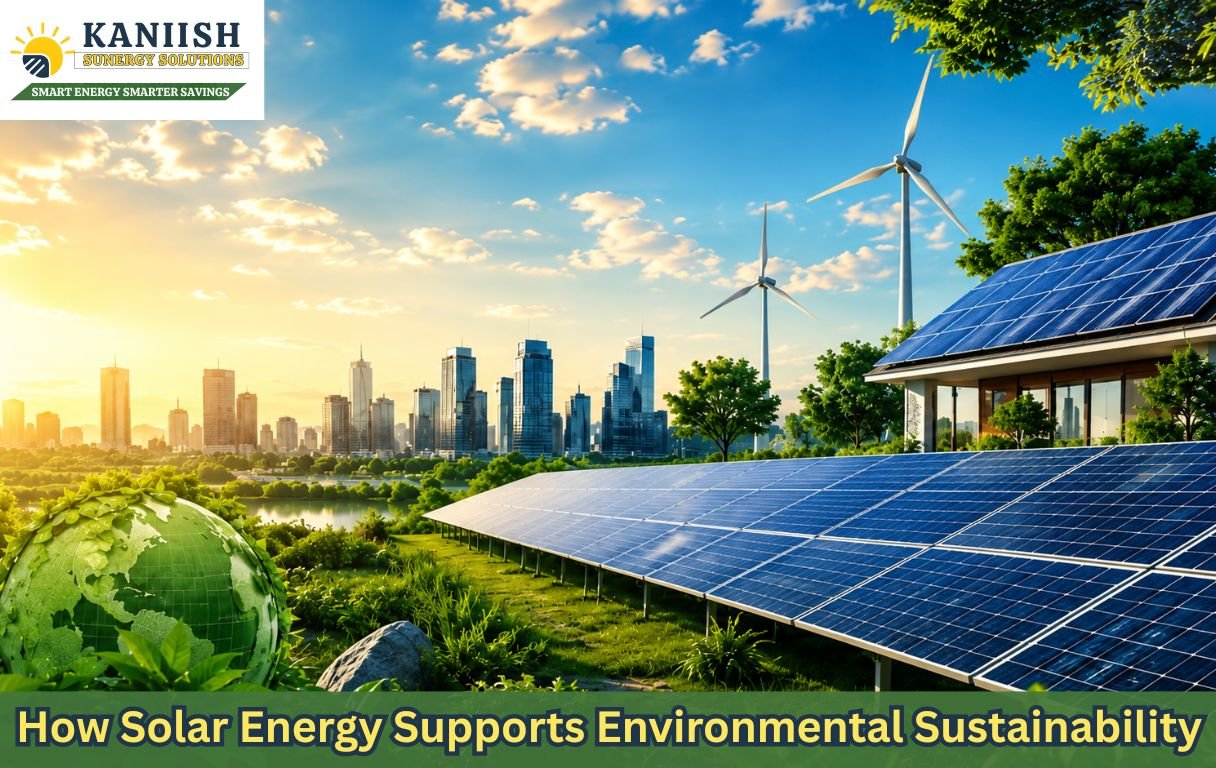
Hence, this blog discusses the benefits of solar energy on the environmental sustainability it promotes.
What is Solar Energy?
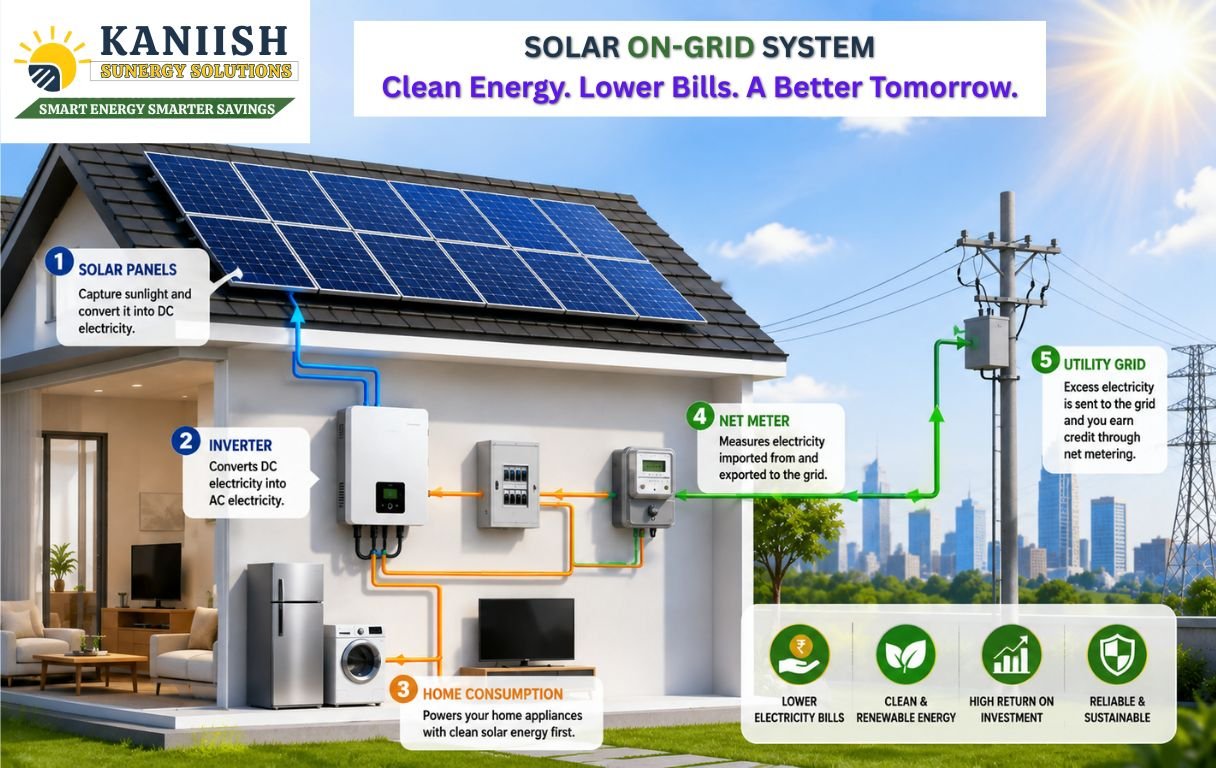
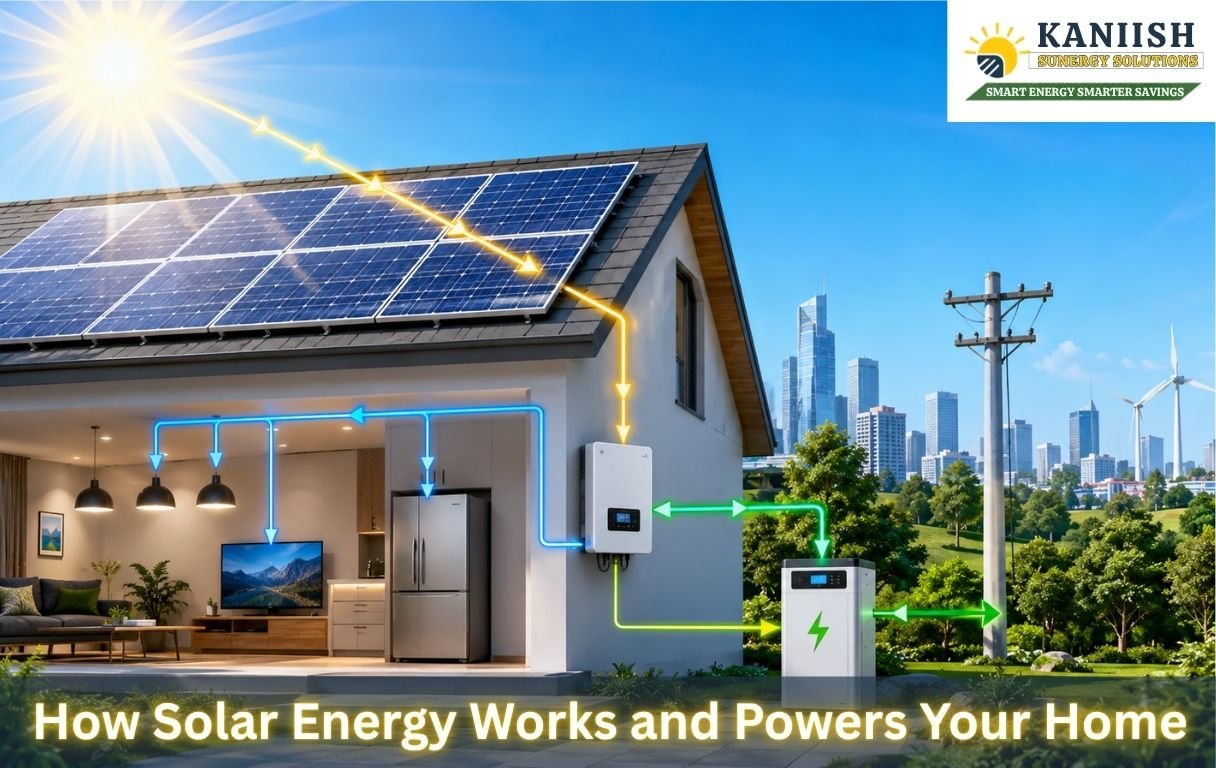
Solar energy is generated electricity from sun rays using solar or photovoltaic (PV) panels. These panels capture sunlight and transform it into electricity that can be used to power homes, businesses, and industries.
Solar is a renewable and inexhaustible energy source unlike the fossil fuels such as coal, oil and natural gas. In addition, each day the sun gives off more than enough energy to satisfy the world’s electricity needs a number of times over, which makes solar power intrinsically a sustainable long-term solution.
Reduces Greenhouse Gas Emissions :
A solar energy system´s potential role in mitigating green house gases would have to be one of its greatest environmental benefits. Traditional electricity generation is still largely based on burning fossil fuels which generates CO₂ and other dangerous gases in the atmosphere. Consequently, these pollutants lead to global warming and climate change.
But solar panels do not burn fuel to create electricity and do not produce carbon when they operate. Thus, solar energy empowers homes and businesses to shrink their carbon footprint while making a significant contribution towards climate protection.
Environmental Impact:
a) Decreases CO₂ emissions
b) Helps slow global warming
c) Decreases reliance on fossil fuels
d) Supports healthier communities and a cleaner air
Improves Air Quality :
Besides contributing to emission reduction, using solar energy improves air quality. Fossil fuel power generation emits pollutants like sulfur dioxide (SO₂) and nitric oxides nitrogen( NOx), as well as particulates. These contaminants can cause diseases like respiratory illness, heart disease and environmental damage.
In contrast to fossil fuel, solar energy systems produce clean energy without polluting the air. So, communities that use it for solar power can have less polluted air and live more healthily — A boon for both wildlife and people alike.
Benefits of Cleaner Air:
a) Reduces respiratory illnesses
b) Reduces smog and acid rain
c) Creates healthier urban environments
d) Protects ecosystems and biodiversity
Conserves Natural Resources
For example, traditional energy generation makes heavy use of limited natural resources like coal, oil and natural gas. Consequently, over-exploitation of these resources results in environmental degradation, loss of habitat and depletion of resources.
On the other hand, solar energy depends on sunlight — which is an inexhaustible and renewable form of energy. Thus, using solar energy preserves naturally occurring resources for subsequent generations.
Resource Conservation Benefits:
a) Diminishes the ability to mine and drill
b) Protects forests and ecosystems
c) Decreases environmental destruction
d) Promotes responsible energy consumption
Reduces Water Usage :
Most power plants use these industry-scale cooling and electricity generation – massive amounts of water. That puts strain on freshwater sources, particularly in drought-hit regions.
The good news is that solar photovoltaic (PV) systems consume only a small quantity of water to function. Therefore, this extends the water conservation benefits of using solar energy to sustainable water management practices.
Water Conservation Advantages:
a) Saves freshwater resources
b) Supports sustainable water management
c) Decreasing power plant water pollution
d) Ideal for water-scarce regions
Encourages Sustainable Development :
Solar energy also provides sustainable development through the availability of sustainable, environmentally friendly, cheap and reliable energy. This enables communities an economic path without detriment to natural systems.
Moreover, solar is able to supply power to these rural and isolated areas without having to create expensive grid structures. This in turn broadens possibilities to gain access to education, health, and economic opportunities, while cultivating climate-friendly means of living.
Sustainable Development Contributions:
a) Green jobs and industries
b) It increases access to energy in remote areas.
c) Encourages eco-friendly infrastructure
d) Promotes long-term economic growth
Minimizes Energy Loss :
Large-scale energy loss has also been greatly reduced because of solar energy. Conventional electrical devices frequently require a substantial amount of time and power to send energy across lengthy distances. In contrast, solar systems can be deployed directly at-the-point of use (rooftops and local facilities).
As a result, energy losses with transmission are reduced and achieves higher efficiency in local demands with such localized energy generation.
Efficiency Benefits:
a) Reduces electricity wastage
b) Improves grid reliability
c) Supports decentralized energy systems
d) Enhances overall energy efficiency
Supports a Cleaner Future :
As the technology rapidly improves, solar power systems are becoming more efficient, cheaper and convenient. And worldwide, many government and institutions promotes to share solar by providing through incentives subsidies programs for renewable energy.
Hence, you are not only spending money when transitioning to solar energy in your house — but it is also an investment into a cleaner, healthier and sustainable future for the generations to come.
Challenges of Solar Energy :
While many of the advantageous aspects of solar energy are already well-known, there still remains a few obstacles to overcome.
Common Challenges:
a) High initial installation costs
b) Dependence on sunlight availability
c) Energy storage systems need
d) The environmental impact during the manufacturing of solar panels
However, rapid technological solutions and global awareness are combating these challenges in real-time.
Conclusion
To conclude, among the greatest solutions to help solve climate change and environmental viability is solar energy. Solar energy is a critical component in protecting our planet by helping to reduce greenhouse gas emissions, improving air quality, conserving natural resources, and supporting sustainable development.
Additionally, as the world is moving more and more towards clean and renewable energy, solar energy investment are demanding on its own. Thus, and in conclusion, it falls upon us as individuals, businesses and governments to unite on the fight for renewable energy solutions and sustainability practices.
In the end, solar energy today is what gives rise to a cleaner environment, healthier communities and a more promising tomorrow for upcoming generations.