Introduction
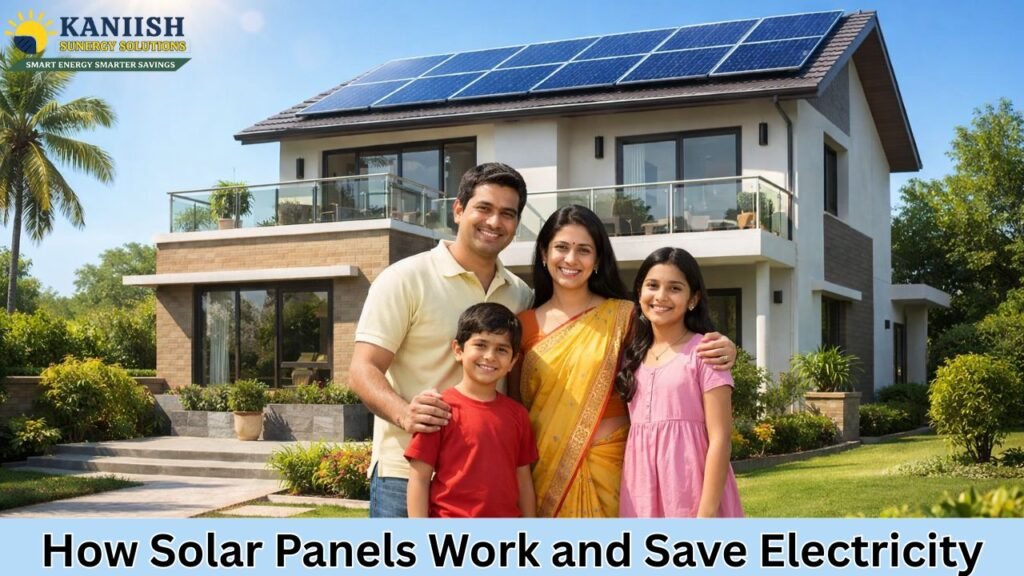
Over the past few years, power bills in India have been steadily rising. From air conditioners and refrigerators to work-from-home arrangements, power use in homes has increased dramatically. That’s where solar power becomes such a smart, long-term solution for homeowners. Solar panels don’t just produce your own electricity from the sun – they save you a fortune on those monthly power bills too. If you’re wondering exactly how solar panels function and how they save electricity, you’ll find everything explained clearly and concisely in this guide.
What Are Solar Panels?
Solar panels: Devices that change sunlight into electricity. They sit on the roof so there is a good supply of sun all day.
Several solar cells make up a solar panel. Those cells are used to capture the sun’s light and transform it into electricity. Solar panels are super efficient in a country like India where there is sunshine for most part of the year.
How Do Solar Panels Work?
Solar panel technology is not so complicated once it’s broken down into the basic steps.
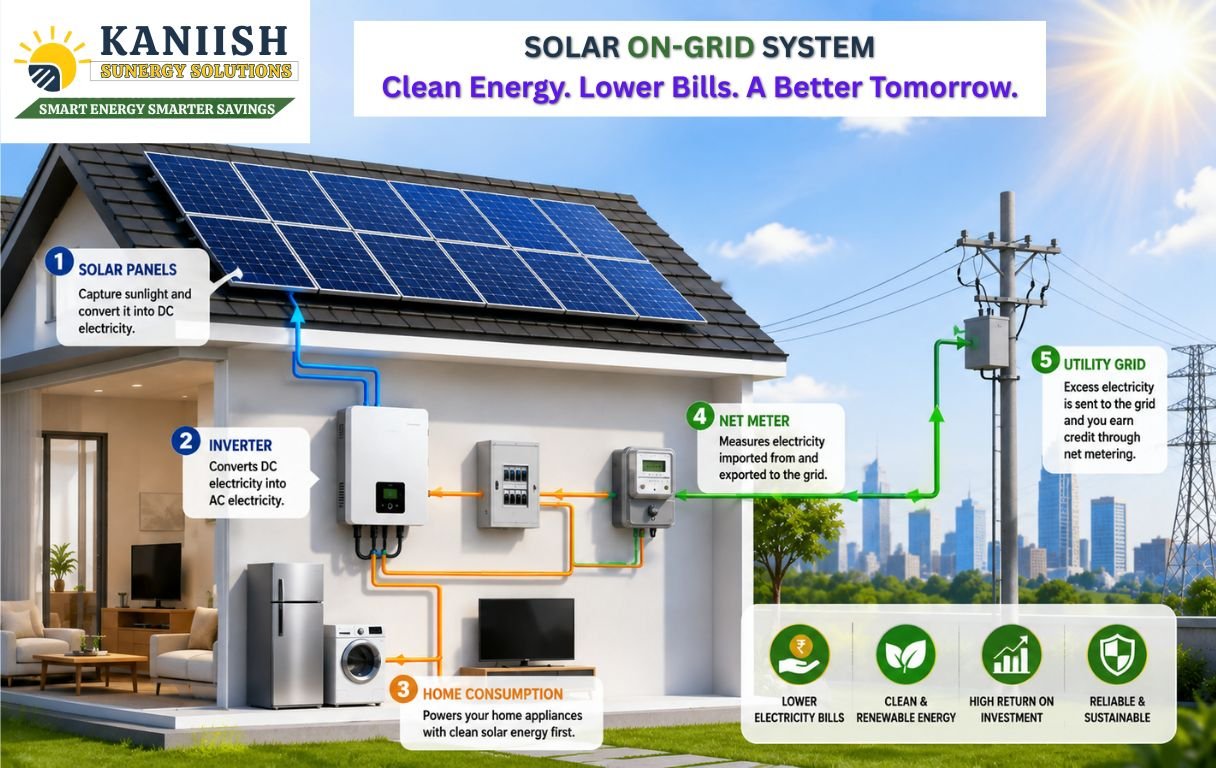
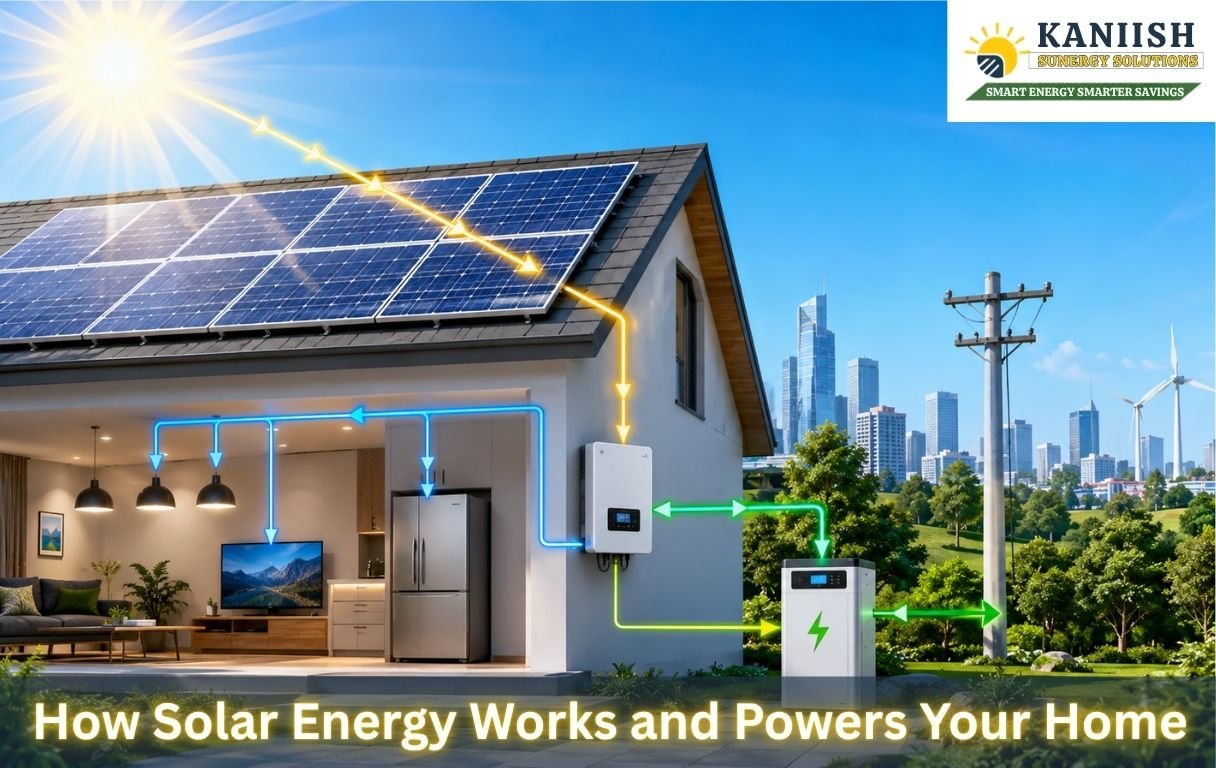
Step 1: Sunlight strikes the panels of solar cells.
In the day time, the direct sunlight touches the solar panels you have in your roof-top. The panels are configured to take in as much sunlight as possible during the day.
Step 2: Turning Sunlight into Electricity with Solar Cells
In each panel are solar cells of silicon. When sunlight strikes these cells, it generates an electric charge. This creates Direct Current (DC) power.
Step 3: Inverter Modification of DC to AC Electricity
Residences are wired for AC current.
A solar inverter transforms the DC power that is generated by the panels into AC electricity which is used by electrical appliances.
Step 4: Your Home Is Powered by Electricity
The generated electricity runs through your electrical panel to power your lights, fans, TVs, washing machines and other appliances.
Step 5: If There’s Any Left, It Goes on the Grid
If your home generates more electricity from solar than it needs, the excess power flows back to the electricity grid through a process called net metering. This cuts down your electricity bill even more.
How Solar Reduce Your Power Bill
In actuality, solar panels conserve electricity in numerous practical ways.
You Use Your Own Power
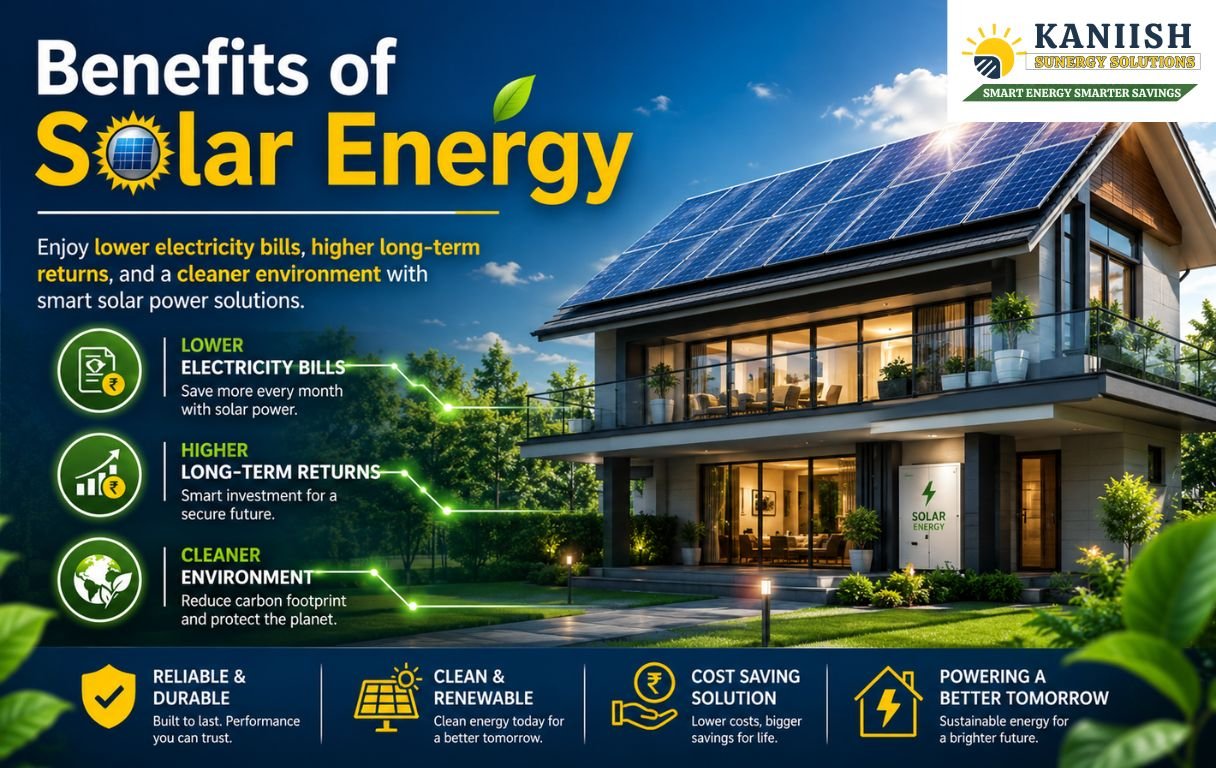
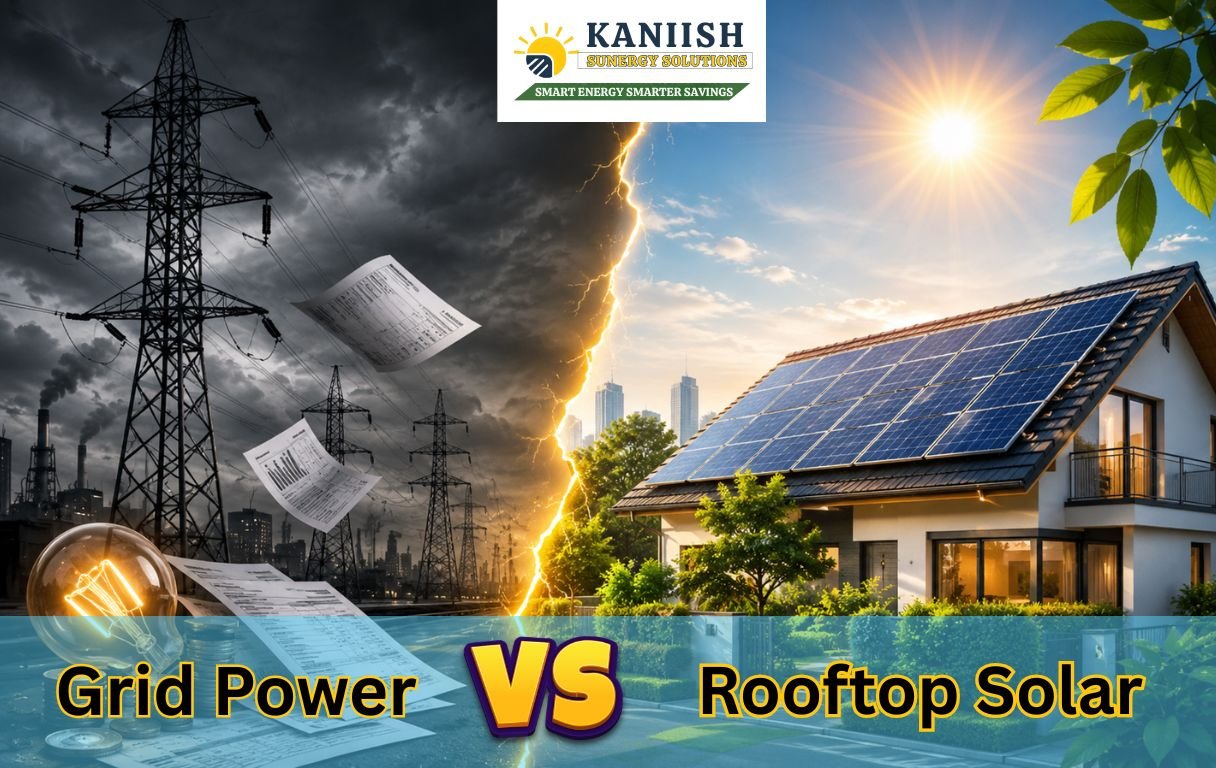
Instead of purchasing electricity from the power company, your home uses solar-generated electricity in the day. This effectively lowers your demand for electricity from the grid.
Reduced Units on Electricity Bill
Fewer units are registered on your electricity meter, after the use of solar power. The fewer units you use, the lower your monthly bill.
Net Metering Credits
Any excess electricity generated in on-grid systems and sent to the grid will be recorded as credits. Those credits are subtracted from your future electricity consumption, lowering the bill even more.
Protection Against Tariff Hikes
There is almost an annual increase in electricity tariffs. Solar panels shield you from escalating electricity costs because they’re a fixed source of energy.
Components in a Home Solar System
Solar Panels
Capture sunlight and generate electricity. Panels these days are efficient and are designed to last decades.
Solar Inverter
Changes direct current to alternating current. It also monitors system performance.
Mounting Structure
Secures the panels to the roof without over tightening at just the right angle to get maximum sunlight.
Net Meter
Records imported and exported power to the grid.
Battery (Optional)
Bank stores electricity to use during power outages or at night. Primarily used in hybrid or standalone systems.
Different Types of Solar Systems for Homes
On-Grid Solar System
Connected to the electricity grid
No battery required
Lowest first cost and fastest payback
Perfect for city and urban use
Off-Grid Solar System
Works independently without grid power
Uses batteries to store electricity
Perfect for rural or out-of-the-way installations
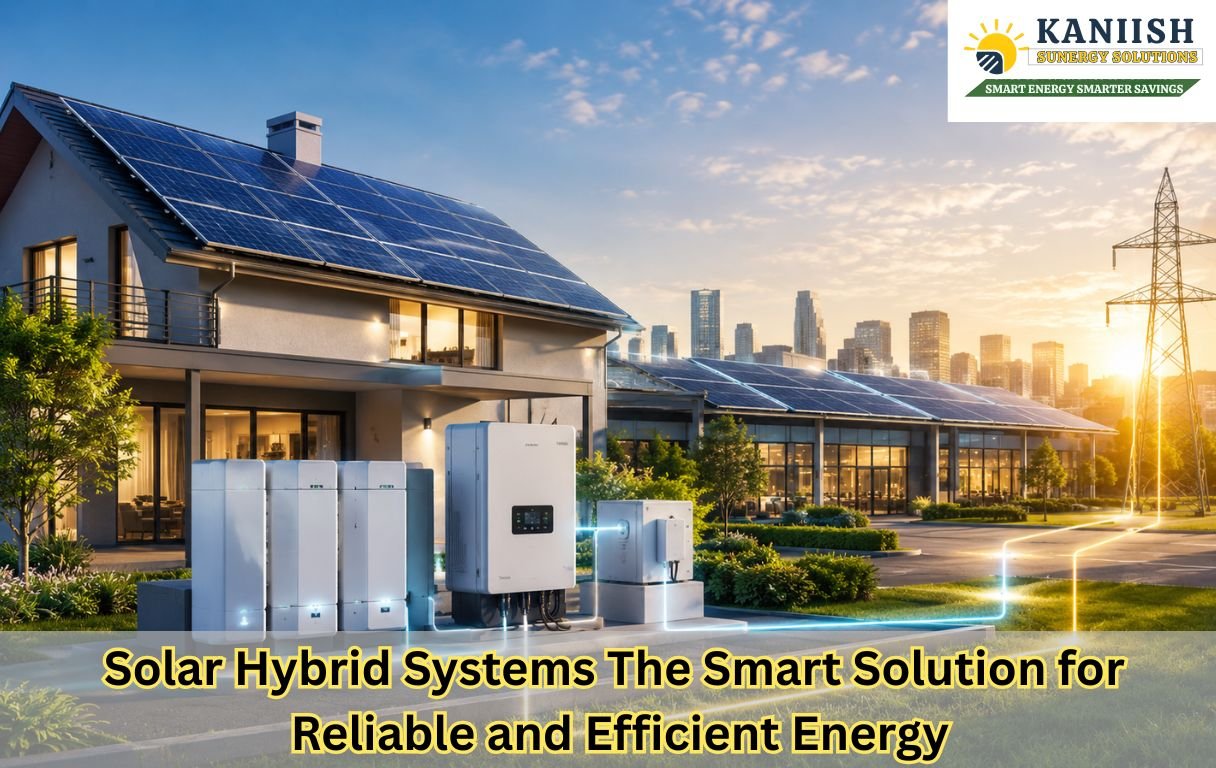
Hybrid Solar System
Bundling of solar panels with grid connection and batteries
Provides power during outages
Best if there are frequent power cuts
Is It Possible to Use Solar at Night or During a Power Outage?
This is something most homeowners are wondering.
Solar panels produce power only when there is sunlight.
During the night, power is imported from the grid or battery (if storage installed).
On-grid systems are designed to shut off if the utility power is disconnected for safety reasons.
Hybrid and off-grid systems run on stored battery power.
How Much Electricity Solar Panels Can Produce
Producing electricity depending on the system size and the sunshine availability.
Average Daily Generation in India:
1kW system: ~4 units per day
3kW system: ~12 units per day
5kW system: ~20 units per day
A correctly sized solar system can offset much or all of a household’s electricity needs.
Advantages of Solar Panels that Go Beyond Savings
Low Maintenance
Other than replacing a component from time to time, there is little that needs doing with solar systems. Panels are typically cleaned periodically, which is sufficient.
Long Lifespan
All good quality home solar panels are designed to last for 25 years.
Environment Friendly
Solar power lowers carbon emissions and reliance on fossil fuels.
Increased Property Value
Houses with panels are easier to sell.
Is Your Home a Good Candidate for Solar Panels?
Most Indian households have this, which are:
- Shadow-free rooftop space
- Strong roof structure
- Adequate area (around 100 sq. ft. per kW)
- Proper orientation for sunlight
Apartment and housing societies can also set up shared solar systems.
Common Misunderstandings About Solar Panels
Cloudy days are a no-go for solar
Solar panels produce some power even on a cloudy day, though not full output.
Solar systems are very expensive
Costs have gone down quite a lot, so the savings start right away.
Maintenance is complicated
Solar systems are mostly maintenance-free.
Conclusion
Solar panels operate by turning sunlight into usable electricity in a simple & reliable process. With solar energy during the day and exporting excess electricity to grid, homeowners can potentially slash down their domestic power bills.
Solar power is one of the smartest (and most sustainable) options for a home, with longevity, low maintenance and ongoing savings. Getting solar power up on your roof now is going to result in cheaper electricity bills for the entire life of that system.
Frequently Asked Questions (FAQs)
Yes. Solar panels help reduce electricity bills by up to 70–90% over time. Most homeowners recover their investment within a few years and then enjoy nearly free electricity for decades.
Savings start immediately after installation. From the first month itself, you will notice a reduced electricity bill because your home uses solar power during the daytime.
Solar panels require very little maintenance. Cleaning the panels once or twice a month to remove dust is usually sufficient to maintain good performance.
Yes. Solar panels are designed to perform well in Indian weather, including hot summers and mild cloudy conditions. In fact, India’s high sunlight availability makes solar a highly efficient option.
When solar generation is insufficient, electricity is automatically taken from the grid. In on-grid systems, net metering ensures you only pay for the extra units used.