
Introduction
There has never been a better time to be an advocate for solar power and sustainable living as solar is being installed more quickly than ever before as the cost of electricity continues to increase and thought is now given to our environment. Today, homeowners and businesses alike are increasingly turning to solar power as a way to lower costs over the long term while decreasing their carbon footprint. But the distinction between home solar and business solar often goes uncomprehended. Both of these systems derive energy from the sun and provide clean electrical power, but they are different systems designed to address different needs. So, you have to learn the difference before investing.
What Is a Residential Solar Power System?
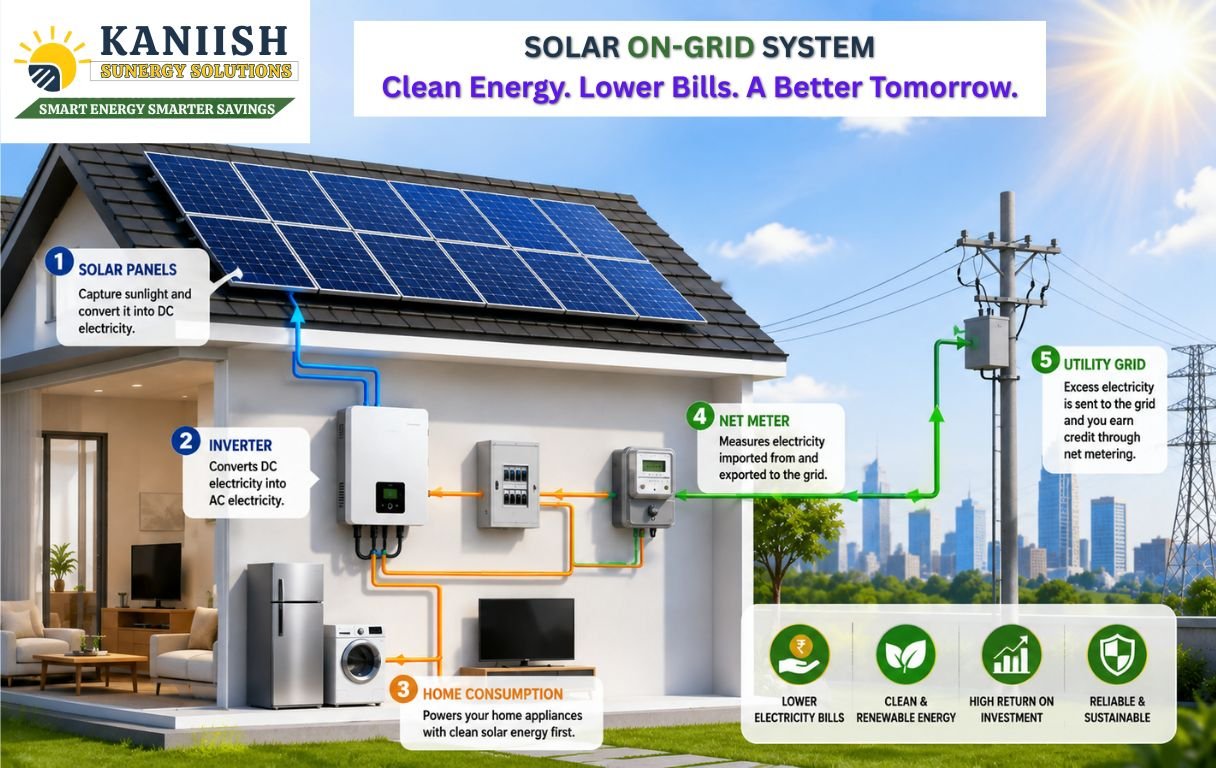
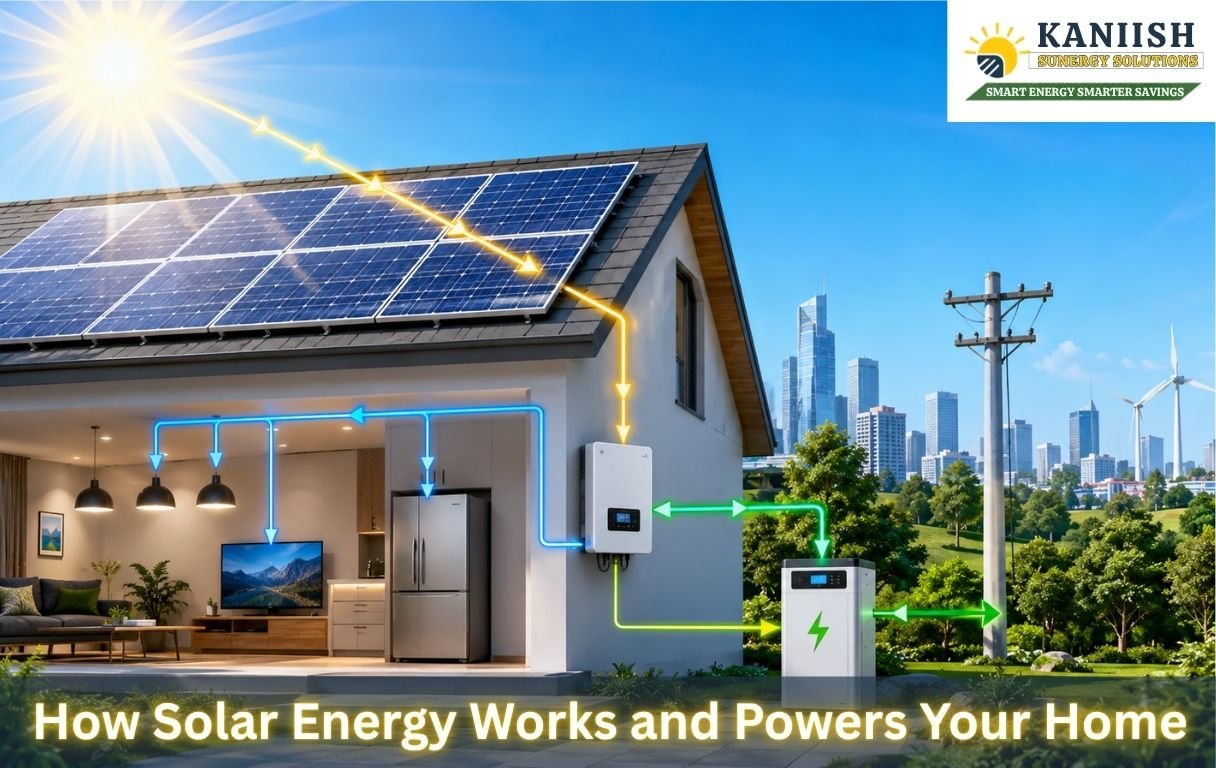
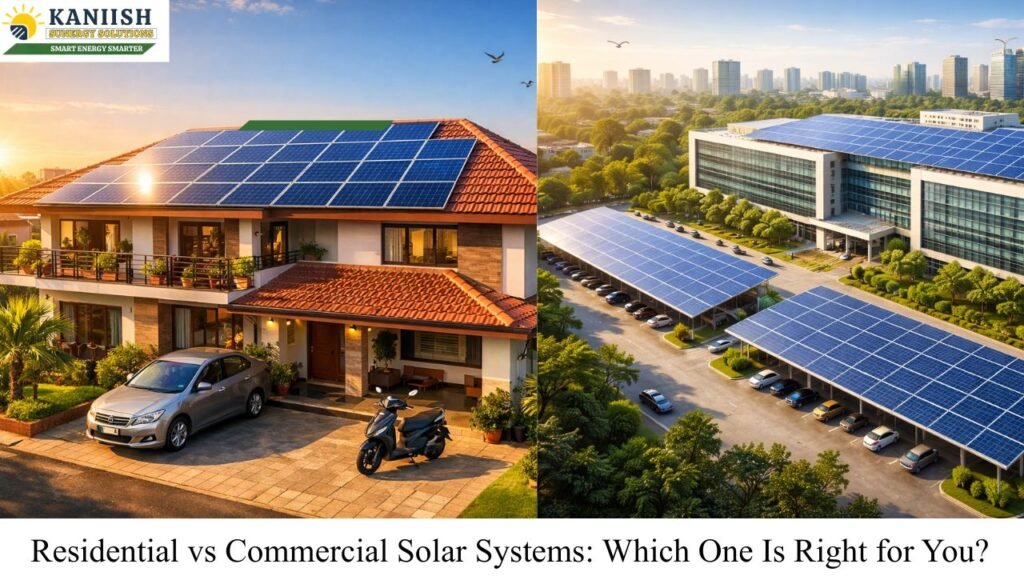
A home solar power system is custom designed for the needs of a household and small living accommodations. These systems are normally mounted on the rooftop and have power output according to the electricity use in a house.
For the first, capacity of residential systems is generally less. A system of between 1 kW and 10 KW on average is installed for a home. Since homes use less energy than a business, fewer panels are needed.
Plus, it’s usually faster and easier to install. Generally, the rooftop area is evaluated and solar panels are installed in a couple of days. The system is then attached to the grid or battery backup.
Government subsidies to home owners are also common. To save that initial investment heap which can be quite substantial.
Key highlights of residential solar
Lower installation cost
Faster setup time
Government subsidies available
Designed for household energy usage
What is Commercial Solar System?
Commercial solar systems, on the other hand, are designed for businesses, factories, offices and larger facilities. Commercial operations use more electricity, so they need larger systems.
Commercial systems are typically sized between 10 kW and multiple megawatts. Panel placement is commonly performed on vast roof-tops, empty land or industrial sheds.
What is more, commercial systems are investment decisions which last for years to come. Electricity is much cheaper, and operating costs are more manageable. The savings accumulate over time.
Moreover, the businesses are generally provided tax incentives and accelerated depreciation. Thus, the payback time would be shorter.
Key highlights of commercial solar:
Large-scale energy production
Higher upfront investment
Faster ROI through energy savings
Perfect for warehouse, office and school
Key Differences Between Residential and Commercial Solar
Even though both of them produce solar energy, there are many key aspects to take into account.
System Size and Capacity:
Systems are smaller at homes because so much less electricity is used. Commercial systems on the other hand are larger and built for heavy energy consumption.
Installation Complexity:
Domestic installations are usually done fast. But commercial projects are big business, and they’re not just installed willy-nilly.
Return on Investment:
For a homeowner, “You have to gradually chip away at it,” saving through time. Meantime, businesses tend to receive faster financial payback due to much higher electricity consumption.
Cost Structure:
Initial budgets for residential systems are less expensive. On the other hand, a high cost and investment are required for commercial systems whereas higher returns can be expected in the longer term.
Which System Should You Choose?
The correct answer is totally dependent on what you need for power and monetary prospects.
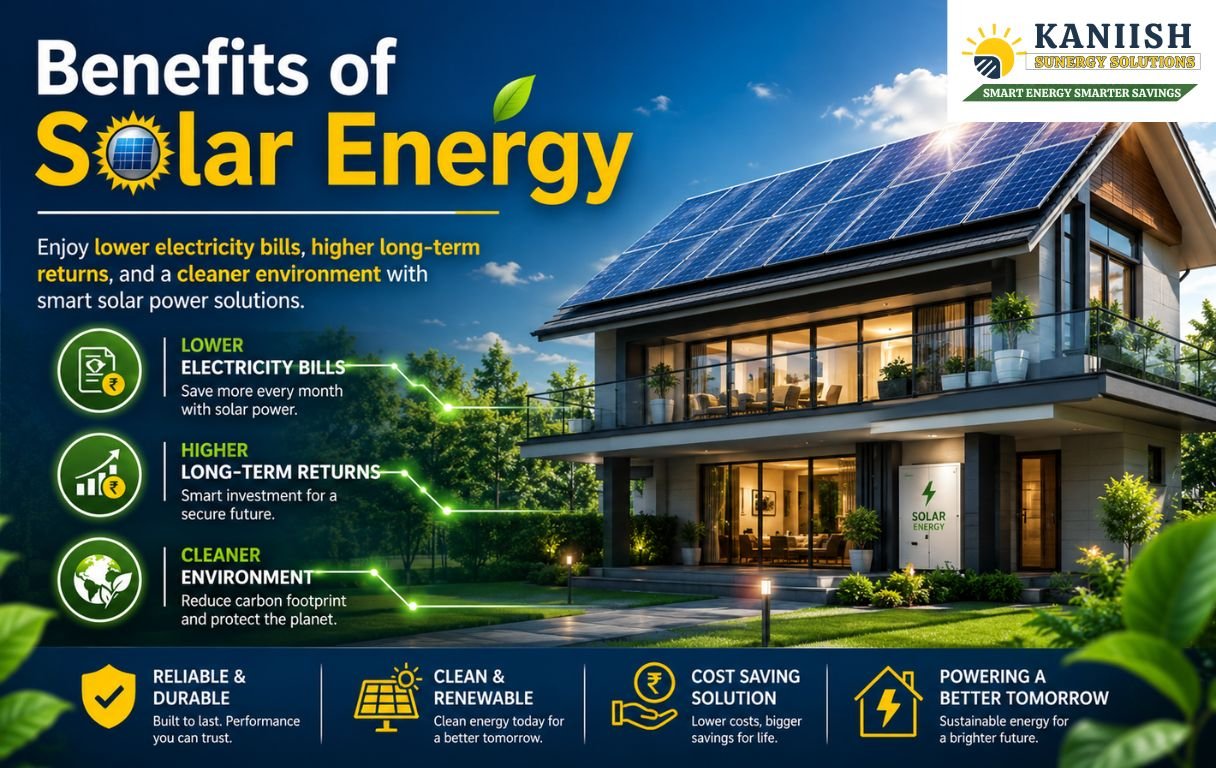
For a homeowner who is tired of high electricity bills and desire independence from the grid, residential solar system will be a perfect fit. You can lower your energy bills each month while increasing the value of your home.
But if you operate a business or handle the operations at a high-power facility, then commercial solar calculator should be on the table for consideration. Significant energy saving can be realized and operation cost can be reduced.
Ultimately the decision should be based on energy consumption and longer term expansion plans.
Conclusion
To sum it up, residential and commercial solar systems are both incredibly beneficial, but they meet different needs. The residential units (-2 sinks) have been designed to offer a practical and sustainable energy-productive equipment for home use. On the other hand, Commercial systems are developed for corporations interested in cutting costs and enhance future profits.
So the best option depends on how much electricity you use, your budget, and long-term plans. Transitioning to solar means generating clean energy that will save you money — and giving your children a cleaner, more sustainable future.