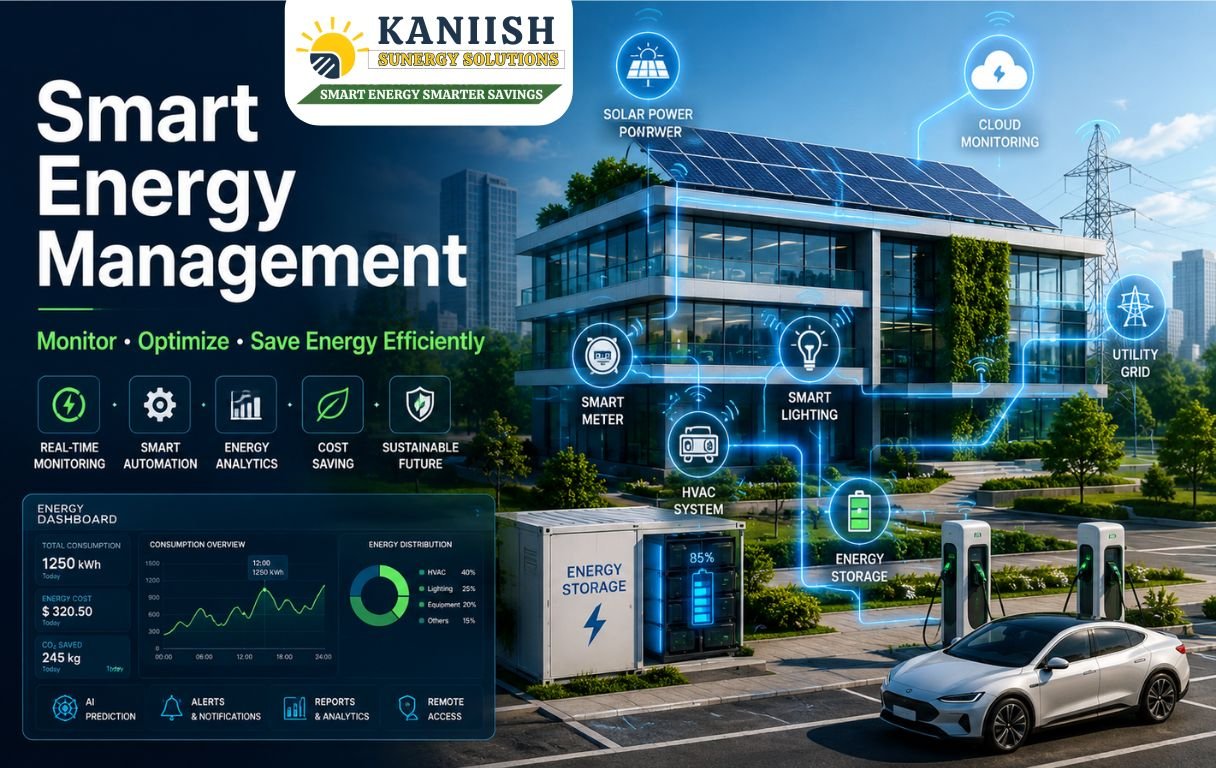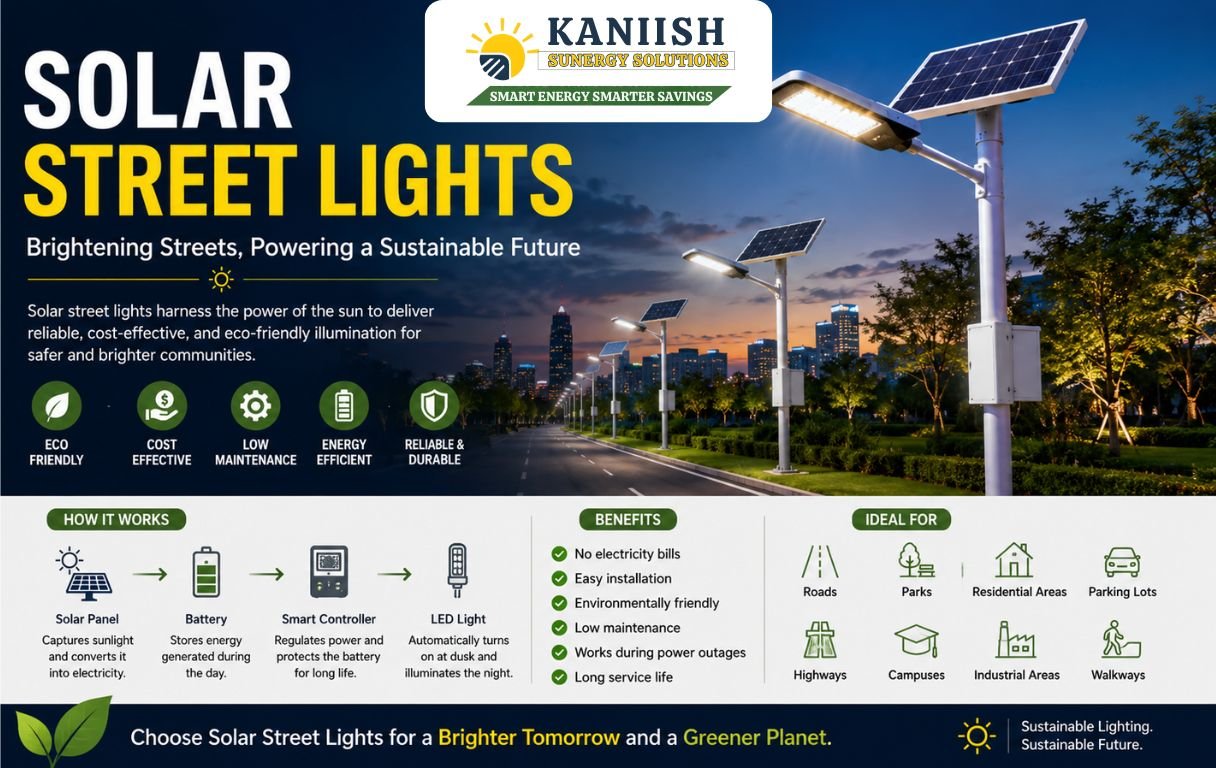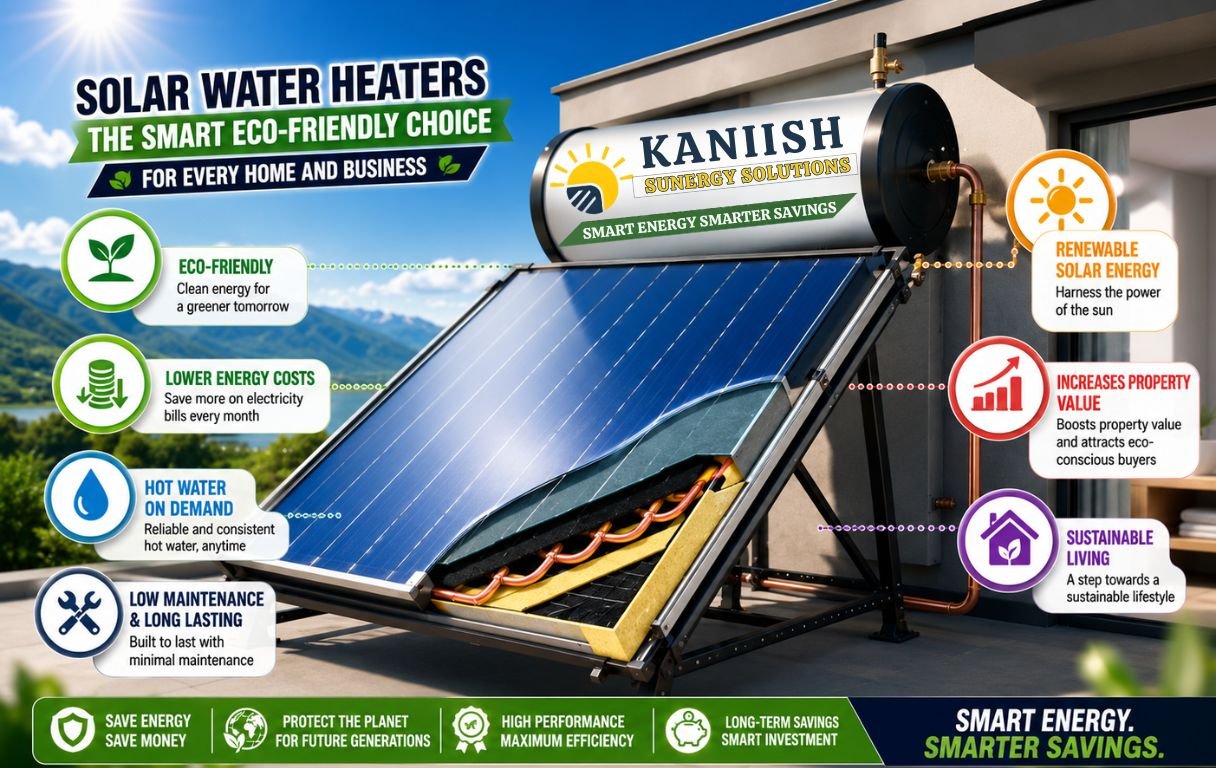

And still, energy consumption is increasing day after day. Power is essential almost all the time in homes, offices and industries. At the same time, people have begun to scrutinize where that energy comes from. This has led to an increasing need for clean and sustainable energy.
So where do battery storage solutions come into play?
In other words, they address a very real need. They do not waste unnecessary energy but store it to provide when required. This makes energy more reliable, efficient and manageable.
What Battery Storage Really Means :
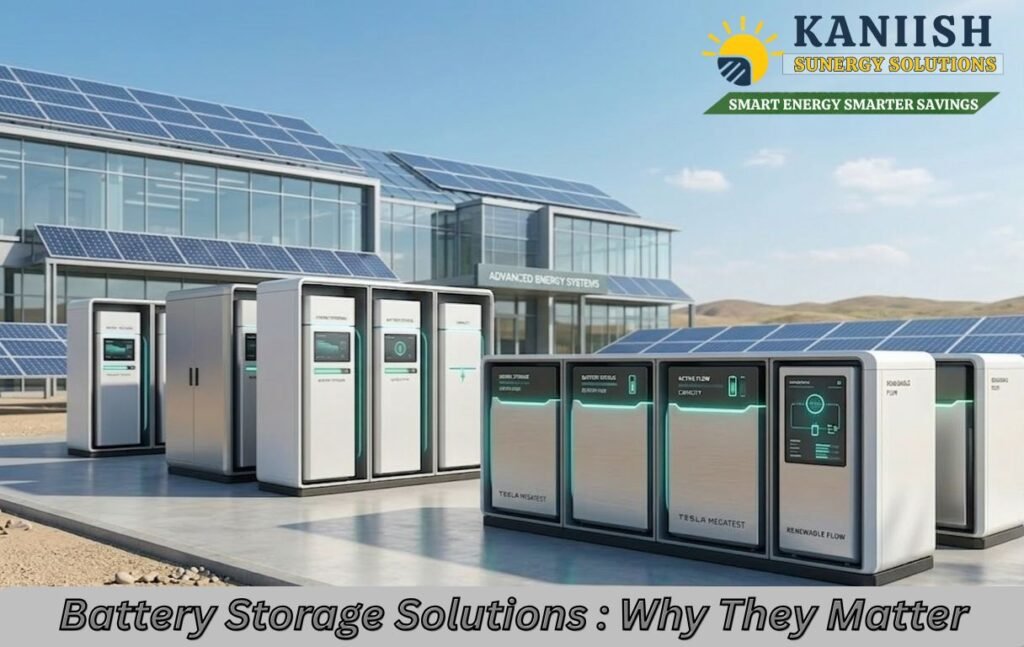
So what does battery storage do? Simply, battery storage is a way to store energy for later use.
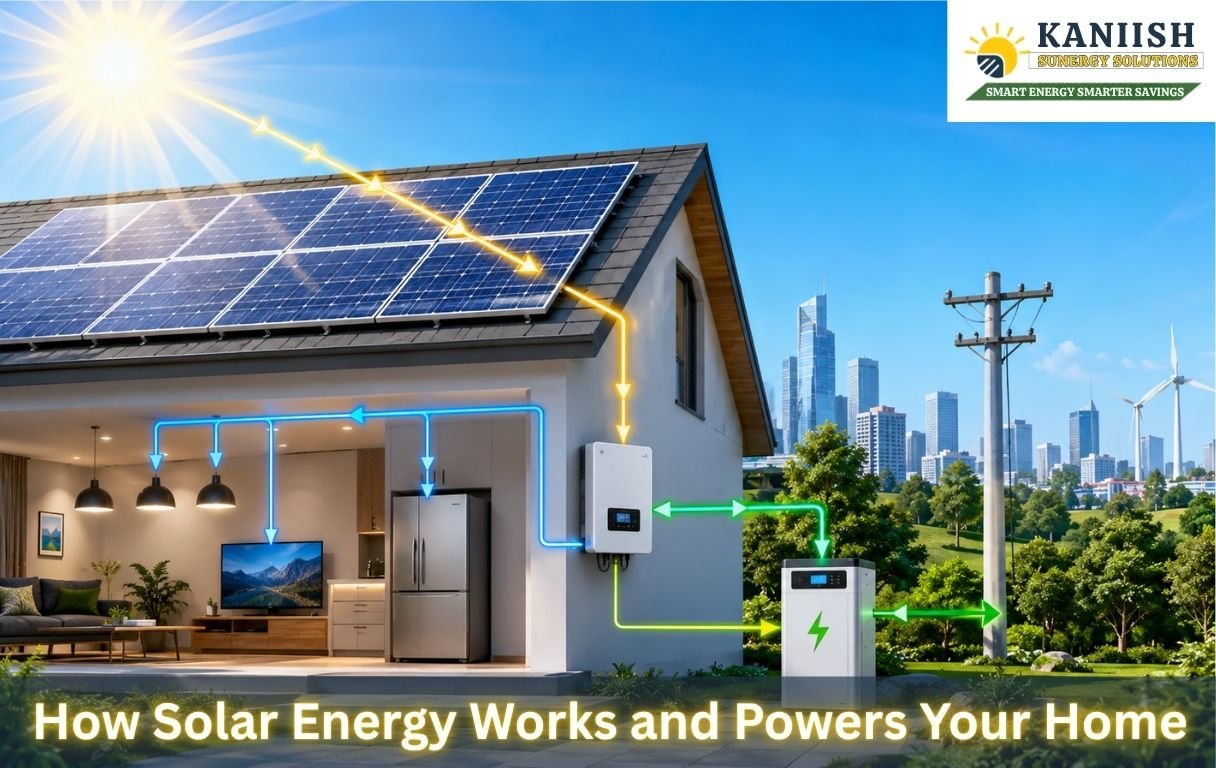
For example, solar panels typically produce more electricity in the afternoon than you will probably use. Without storage, this energy is wasted or returned to the grid. But with a battery system you can capture that extra power and use it up at night.
This way, you can take charge of when and how you consume power.
And these systems vary a lot in size. Fewer units are effective for homes, and bigger systems anchor businesses and industries. Others install batteries mainly for backup. Some use them every day to balance energy better.
Why It Matters More Than Ever :
Renewables deliver enormous benefits but present a challenge. Solar panels only work in the daytime, and wind turbines are subject to the weather. Energy production thus doesn’t always align with energy demand.
That is where battery storage comes into play.
Batteries store excess energy, rather than letting it go to waste. And then, when production declines they provide power instantly. As a result, this makes renewable energy more reliable.
In other words, battery storage transforms an intermittent energy source into a dependable one. As a result, homes and businesses can PullItyank their dependence on fossil fuels.
Meanwhile, battery systems support more intelligent energy consumption. They assist users in determining when and how to use energy. As a result, this increases efficiency and reduces costs.
The Real Benefits People Notice :
When people start using battery storage they notice the difference almost immediately.
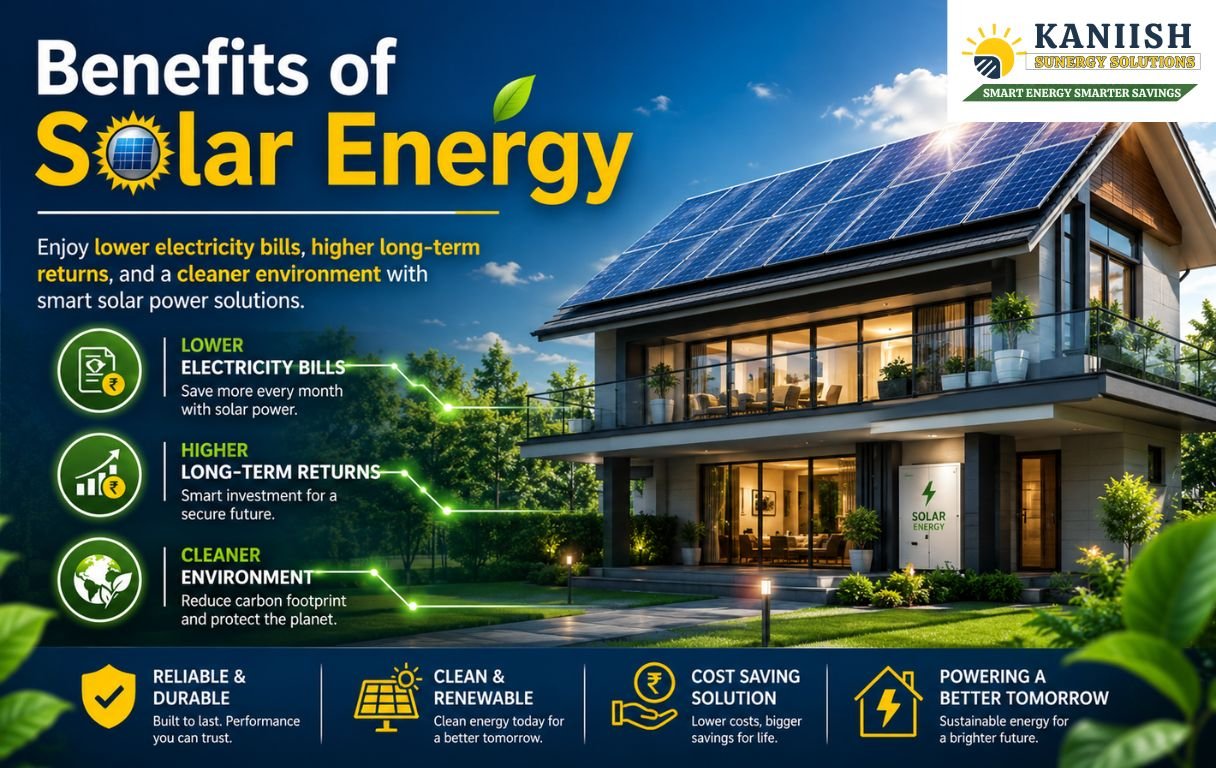
First, electricity bills go down.
You can save energy when rates are low and get it during peak hours. And this nets real savings over time.”
Next, you gain more independence.
You become more independent of the grid, particularly when supply is unstable. That’s why you have more power in your hands.
Then, backup power becomes reliable.
Power cuts are no longer a hindrance to your daily schedule or business functions! Instead, critical systems continue to operate unabated.
It is also environmentally friendly.
Using stored potential energy allows you to reduce your reliance on fossil fuels.) This reduces carbon emissions.
Finally, energy usage becomes smarter.
You can distribute consumption over the course of a day rather than just in on-peak time. It also relieves the grid of stress, which enhances overall efficiency.
Technology Is Improving (and Accelerating) :
Battery technology has evolved quite a bit in the past few years. Currently, lithium-ion batteries dominate the industry for their high efficiency and long life.
Meanwhile, newer technologies keep coming up. (It claims, for example, that solid-state and flow batteries offer improved safety and performance.) This trends makes the future of energy storage more auspicious.
They come with advanced management tools in modern battery systems. These systems monitor performance, manage energy flow and optimize utilization. This means batteries endure longer and work more efficiently.
In addition, many systems connect with smart grids today. This results in improved coordination of energy generation, storage and consumption.
Looking Ahead :
Battery storage, as we progress, will become even more significant. The use of renewable energy is growing, so the need for effective storage as well.
New technologies such as electric vehicles, smart homes or new industrial plant depend on ideal energy systems, for example. Storage is needed to work optimally in these types of systems.
This is why governments and companies are pouring money into battery technology. This pivot illustrates quite clearly where the future lies.
For businesses, this translates to greater cost control and operational efficiency. For homeowners, it offers convenience and peace of mind. Overall, it enables a cleaner and more stable energy system.
Conclusion :
Ultimately, what it comes down to is that battery storage solutions make energy more usable.
They help you save money, stay prepared in the event of outages, and better leverage renewable energy. They also provide you with more control over how and when you leverage power.
As energy demands rise, such flexibility is crucial. As such, battery storage is not merely a prudent investment—it’s an indispensable preparation for a more reliable and sustainable future.