
Introduction :
A reliable and uninterruptable supply of power is no longer a luxury with the rapid technological advancements in our current world. Whether at homes or hospitals, businesses or data centers even a few minutes of power interruption can result in significant inconvenience and loss of revenue.
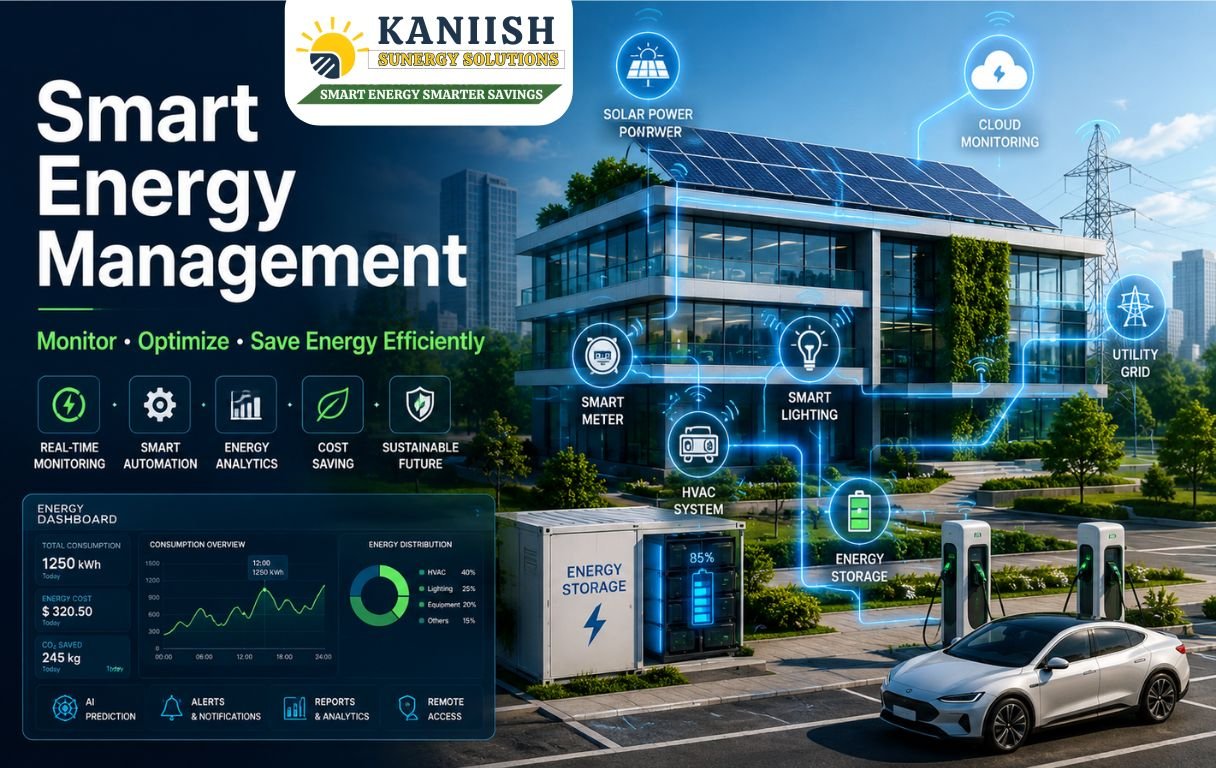
Thus, the importance of battery storage systems is in facilitating a continuous supply of power. Such systems accumulate energy and provide it at the right time. Battery storage enhances energy reliability and efficiency, whether you use them with renewable energy sources like solar or as a standalone backup.
What is Battery Storage?
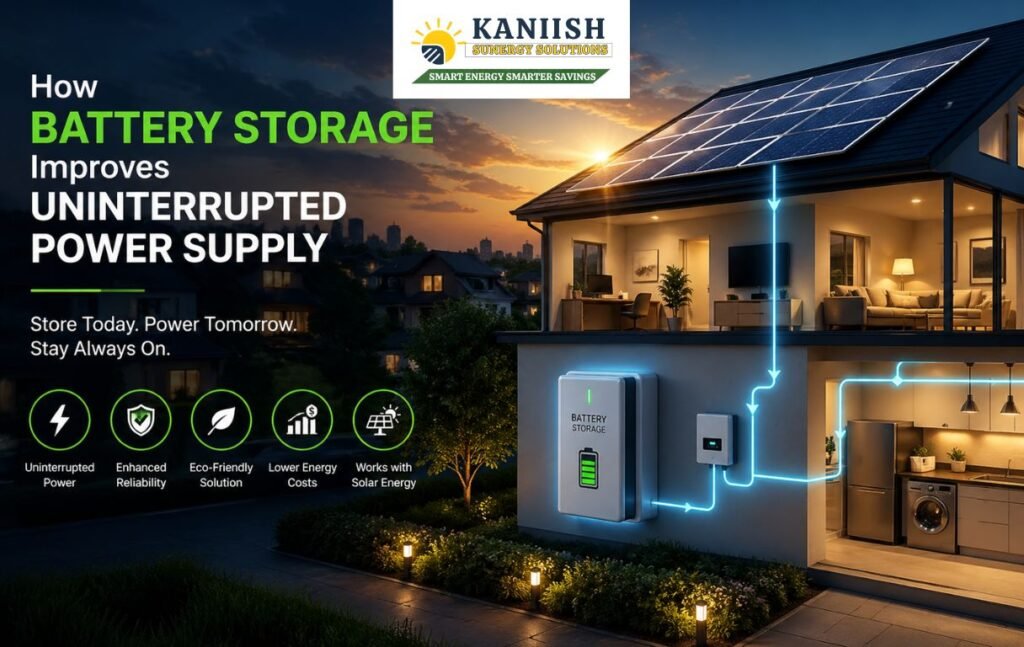
Battery storage systems are used to store electrical energy for usage at a later time. They are charged via mains electricity or from clean sources like a solar panel and deliver power whenever the grid is down, demanding or for peak power.
The most common types of battery storage systems in general are:
1. Lithium-ion batteries
2. Lead-acid batteries
3. Flow batteries
Of these, lithium-ion is the leading storage technology due to high efficiency, longer lifetime and compactness.
How Battery Storage Works :
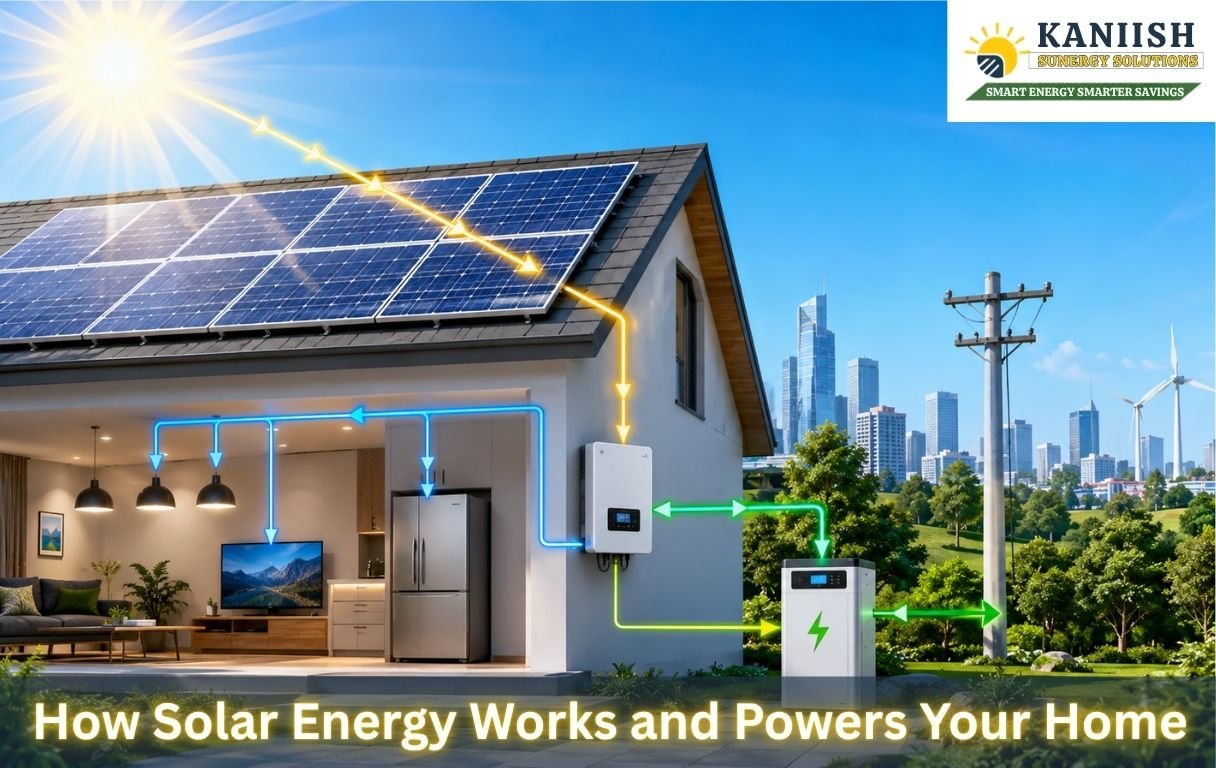
This process sustains a very basic and effective cycle of battery storage systems:
1. The system stores energy first during low-use hours, or when there is surplus energy.
2. After that, an energy management system tracks usage and determines when to store or use power.
3. Features and Advantages During the power off, it can directly supply backup electricity immediately without waiting.
4. The grid comes back, and the system charges.
Because of this, the users can enjoy a non-stoppable power supply without any interruption.
Key Benefits of Battery Storage
1. Uninterrupted Power Supply
Battery storage systems offer instant backup power during outages; moreover, they ensure the continuous operation of essential devices and systems.
2. Enhanced Energy Reliability
These systems serve a dual purpose of decreasing reliance on the grid as well as safeguarding against transients and complete power outages. They also provide a more reliable energy source.
3. Integration with Renewable Energy
Users can still store surplus output for later use via battery systems. So, you can still harness renewable energy during night hours or inclement weather.
4. Cost Savings
This allows users to charge the battery during low demand, then use it while in peak time. As a result, they can help customers save massively on power bills too.
5. Environmental Benefits
Energy storage supports the use of renewables. This decreases dependency on fossil fuels and resultant carbon footprints.
Applications of Battery Storage :
Battery storage systems are used successfully in fish sectors:
1. They serve as a power reliability back up for homes during the power outages.
2. They protect sensitive equipment and continuity of business for commercial buildings.
3. They keep the production process consistent for industries.
4. They assist in the functioning of essential medical devices for healthcare centers.
5. They save the most in terms of uptime and loss of data for the data centers.
Basically, such systems provide reliability enhancement in many applications.
Traditional Backup Systems vs Battery Storage :
While diesel generators stay on standby during power outages, battery storage, in contrast, provides clear advantages as a more efficient and reliable backup power solution.
Traditional backup systems like diesel generators still exist; However, battery storage offers clear advantages:
| Feature | Battery Storage | Diesel Generator |
| Startup Time | Instant | Delayed |
| Noise | Silent | Noisy |
| Maintenance | Low | High |
| Environmental Impact | Eco-friendly | Polluting |
| Operating Cost | Lower | Higher |
No doubt, battery storage is cleaner, quieter and more efficient form.
Future of Battery Storage :
The years 2023–2030 are set to see that battery storage spread even further, aided by the continual improvements in and decreasing prices for technology. The increasing shift toward renewable energy also drives the need for energy storage systems at the same time.
In addition, governments and businesses increasingly invest in battery storage solutions to build resilient and sustainable power systems.
Conclusion :
Overall, battery storage is revolutionising the way we store and use energy; moreover, it guarantees a constant power supply, enhances energy reliability, and supports the integration of renewable energy.
Ultimately, investing in battery storage makes sense; moreover, it supports a reliable power supply and strengthens the future of renewable energy generation.