Introduction :
Manufacturers are on a mission to find solutions that reduce operational costs, enhance efficiency and pursue sustainable goals today. While power costs are increasing, and stringent environmental standards also heaps new challenges on businesses. Therefore, several sectors today have adopted industrial solar energy so that they can be in command of their power utilization and operating costs.
Industrial solar systems help manufacturers generate clean and stable power directly from sunlight. Moreover, these systems reduce reliance on conventional power sources while improving long-term profitability. As a result, manufacturers can manage energy costs more effectively and increase operational efficiency. Today, industries ranging from automotive plants to textile manufacturing facilities increasingly adopt solar energy to create more sustainable and efficient operations.
Therefore, this case study demonstrates how industrial solar solutions have enabled a manufacturing company to reduce energy costs, increase productivity, and achieve stronger environmental performance. In addition, the implementation of solar energy has improved operational efficiency and supported long-term sustainability goals.
Challenges Faced by Manufacturers :
Even though manufacturing facilities consume massive amounts of electrical energy every day, they still require a continuous power supply to operate heavy machinery, automated production lines, cooling systems, and lighting equipment efficiently. As a result, manufacturers often face extremely high electricity bills. Furthermore, rising energy consumption continues to increase overall operational expenses for industrial businesses.
In addition, industries commonly experience:
a) Rising energy costs
b) Frequent voltage fluctuations
c) Unexpected power outages
d) Increased carbon emissions
e) Higher operational expenses
f) Pressure to meet sustainability standards
These challenges have led a growing number of manufacturers to seek alternative energy solutions as a way to improve efficiency while lowering long-term costs.
The Industrial Solar Solution :
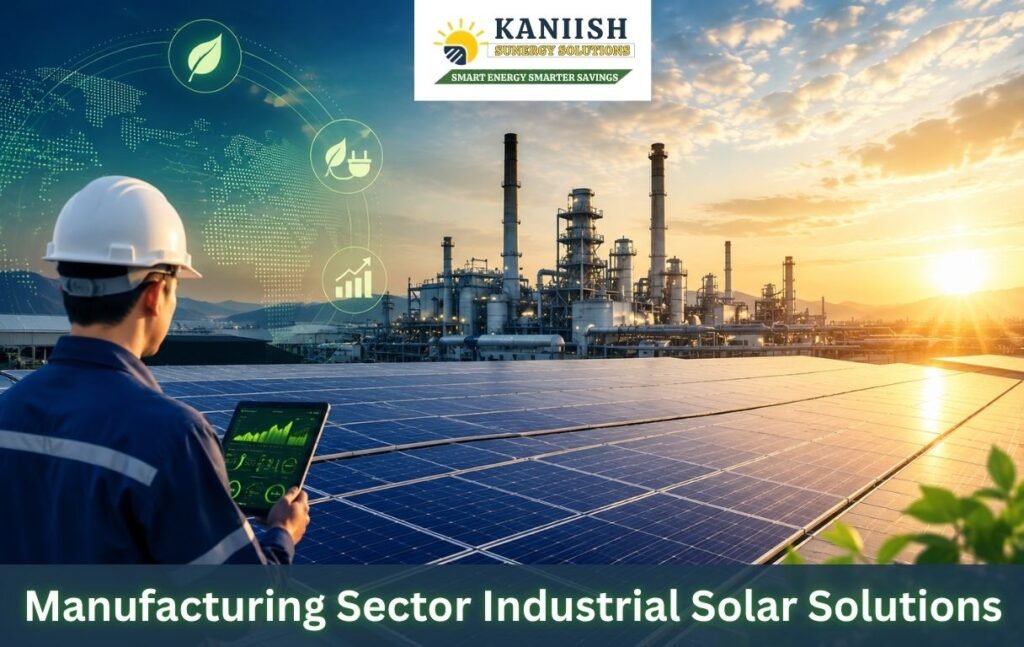
One effective solution to tackle these challenges involves installing a rooftop industrial solar power system for the manufacturing company. Through this system, solar panels convert sunlight directly into electricity to power the facility efficiently. As a result, the company significantly minimizes its reliance on grid electricity. Furthermore, the solar installation helps reduce operational costs while supporting long-term sustainability goals.
Essential Parts of a Solar System :
a) High-efficiency solar panels
b) Industrial-grade inverters
c) Smart monitoring systems
d) Optional battery backup solutions
e) Grid-connected energy management system
Additionally, engineers built the solar system based on the energy demand of the factory, roof area and operations.
Case Study Overview :
Industry Type
Automotive Components Manufacturing
Facility Size
100,000 sq. ft manufacturing unit
Location
Industrial Zone, India
Monthly Energy Consumption
Approximately 1.2 MW
Solar System Installed
750 kW Rooftop Solar Power Plant
Main Objectives
a) Reduce electricity expenses
b) Improve operational efficiency
c) Achieve sustainability targets
d) Ensure stable energy supply
Implementation Process :
1. Energy Audit and Site Analysis
Initially, the engineering team performed a thorough energy audit of electricity consumption trends and peak load demand. During the assessment, the team assessed:
a) Daily power consumption
b) Roof load capacity
c) Solar exposure levels
d) Shading conditions
e) Production schedules
Hence, the most optimum efficient and performing capacity for a solar power plant was determined by the company.
2. System Design and Engineering
Then, solar experts designed a unique system layout for the manufacturing plant. The design was optimized for maximum sunlight absorption, but also ensured that the components were safe, rugged, and easily accessible for routine maintenance.
The team added sophisticated monitoring software to allow real time tracking of energy production and overall system functionality.
3. Installation and Grid Integration
Next, installers carried out the solar installation in multiple phases to avoid interrupting factory operations. Meanwhile, engineers integrated the energy generated from the solar system into the existing electrical grid for smooth and efficient power distribution. As a result, the company maintained continuous production while successfully upgrading its energy infrastructure.
Key highlights included :
a) Minimal production downtime
b) Safe electrical integration
c) Smart energy monitoring system
d) Optimized power management
Results Achieved :
Significant Reduction in Electricity Costs
The manufacturer cut electricity costs by almost 45% in the first year. As the solar system produced most of daytime power needs, it significantly reduced monthly utility costs.
Improved Operational Efficiency
The stable power supply minimized the disruption associated with voltage dips and interruptions. As a result, machines operated more efficiently and needed less maintenance.
Besides, that too reduced downtime and made production consistent.
Faster Return on Investment (ROI)
This meant that the company, if everything went well, could expect a return on its investments within 4 to 5 years. ROI was accelerated due to a few factors, namely:
a) Lower electricity bills
b) Government solar incentives
c) Reduced maintenance costs
d) Long-term energy savings
As a result, this investment generated substantial financial benefits for the firm.
Enhanced Sustainability Performance
An industrial solar system also enabled the manufacturer to reduce its environmental footprint. The firm cut its reliance on fossil fuels and carbon emissions by producing clean energy.
Environmental Benefits
a) Annual decrease of thousands of tons CO₂ emissions
b) Supported cleaner manufacturing operations
c) Improved ESG and sustainability performance
d) Strengthened corporate environmental responsibility
Advantage of Industrial Solar for Manufacturers :
1. Long-Term Cost Savings
For decades industrial solar systems supported manufacturers to decrease their energy bills. In addition, companies also shield themselves from rising utility prices and fluctuations in energy markets.
2. Greater Energy Independence
The energy from the solar allows factories to produce their own energy. This, in turn, affords manufacturers greater operational stability and less reliance on third-party energy suppliers.
3. Stronger Brand Reputation
Today, customers and modern investors increasingly prefer environmentally responsible businesses. Consequently, manufacturers that adopt renewable energy solutions often strengthen their market reputation and enhance overall brand value. Furthermore, sustainable business practices help companies build greater customer trust and attract long-term investment opportunities.
4. Government Incentives and Tax Benefits
Several governments provide incentives in the form of subsidies, tax benefits, and financial assistance for industrial solar installation. This enables lower installation costs and increased margins for companies.
5. Low Maintenance Requirements
Solar systems of the modern age require an almost negligible amount of maintenance. In addition, premium systems provide reliable performance over a period of at least 25 years.
Challenges and Practical Solutions :
Initial Investment Costs
Although solar installations require an initial investment, many companies now offer financing options and leasing programs that help reduce financial pressure. In addition, government tax incentives and rebates further offset installation costs. As a result, businesses can adopt industrial solar solutions more affordably and achieve faster returns on investment.
Limited Rooftop Space
Through, smaller rooftops on factories are still sufficient to harness maximum solar generation.
a) High-efficiency panels
b) Ground-mounted systems
c) Solar carports
Weather Dependency
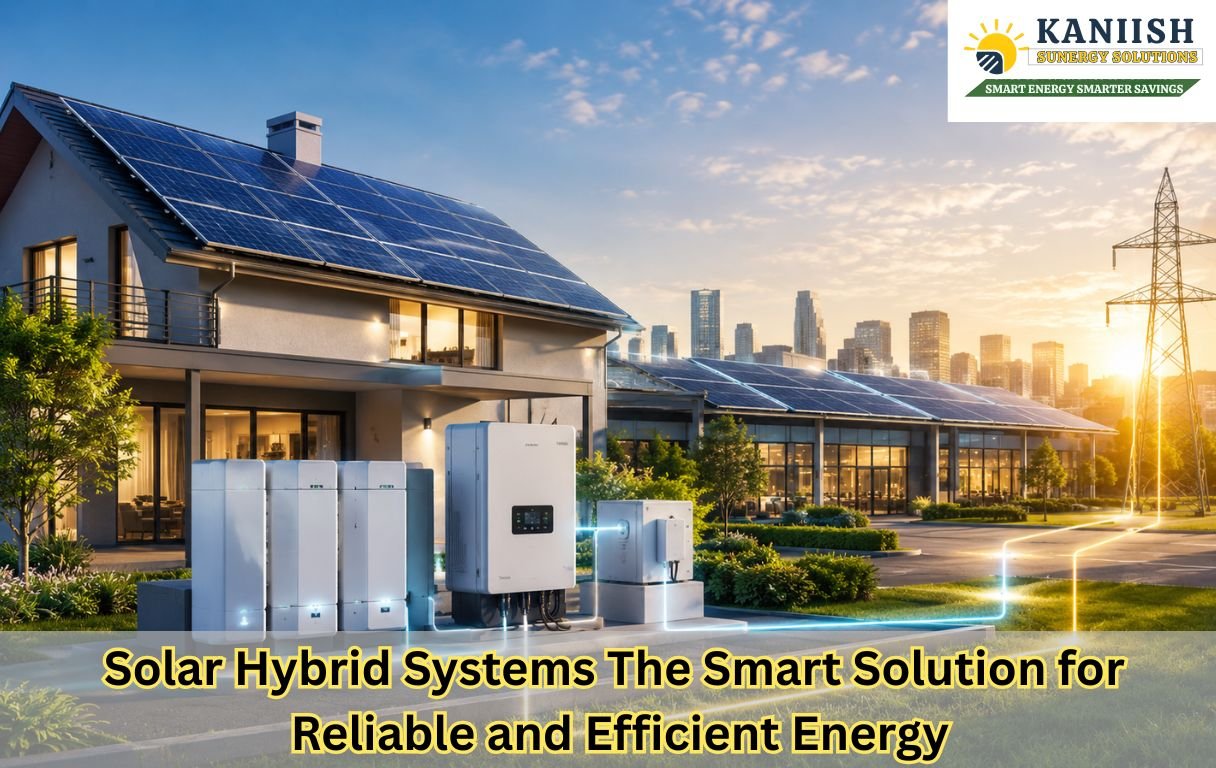
Although short-term cloudy weather may temporarily affect solar power generation, hybrid systems and grid connectivity continue to ensure a reliable energy supply for business operations. As a result, manufacturers can maintain uninterrupted productivity and operational stability even during changing weather conditions.
Future of Industrial Solar
IndustrialSolar: The Future Keeps Getting Brighter Cutting-edge technologies support manufacturers in optimizing even further their energy efficiency levels and costs today.
For example, industries now integrate:
a) Solar battery storage systems
b) AI-powered energy monitoring
c) Smart grid technology
d) Automated energy optimization tools
Industrial solar energy will keep revolutionizing modern manufacturing operations as sustainability becomes one of the top business priorities across the globe.
Conclusion :
For many businesses, industrial solar power is no longer just a green initiative. Instead, it has become a strategic investment that drives operational efficiency, reduces operational costs, and supports long-term business growth. Furthermore, solar energy helps manufacturers improve sustainability performance while strengthening overall profitability.
This case study clearly demonstrates how solar energy helps manufacturers significantly reduce electricity costs while improving operational stability and strengthening sustainability performance. Furthermore, industrial solar systems provide reliable, flexible, and cost-effective power solutions for future business expansion. As a result, manufacturers can improve energy efficiency, support long-term growth, and achieve greater sustainability goals.
Manufacturers that make solar energy investments today are setting themselves up for a future that will be smarter, greener, and more profitable.