Introduction :
Solar energy has emerged as one of the most reliable and affordable power systems for households, businesses, industries today. With the rising electricity costs, more and more people are now opting for solar power to save costs as well as minimize environmental impact. As far as larger solar systems go, now new solar technology gives improved effectiveness, long-term price cut and little upkeep.
But before you invest in a solar system, there are still significant questions that many homeowners and business owners have. They tend to ask basic questions including how solar panels work, true savings, and if solar energy could power the entire property.
Thus, this guide builds on the keywords by answering the most common solar questions with simple and practical explanations directly from industry professionals.
1. What Is Solar Energy?
Solar energy is electricity from sunlight using solar panels. Solar panels have photovoltaic (PV) cells in them that convert sunlight into usable electric current.
Henceforth homes and businesses can power their appliances, lighting systems as well as electronic devices using renewable energy rather than using other conventional sources of power. Solar energy, in addition to reducing reliance on fossil fuels, helps achieve environmental sustainability.
2. How Do Solar Panels Work?
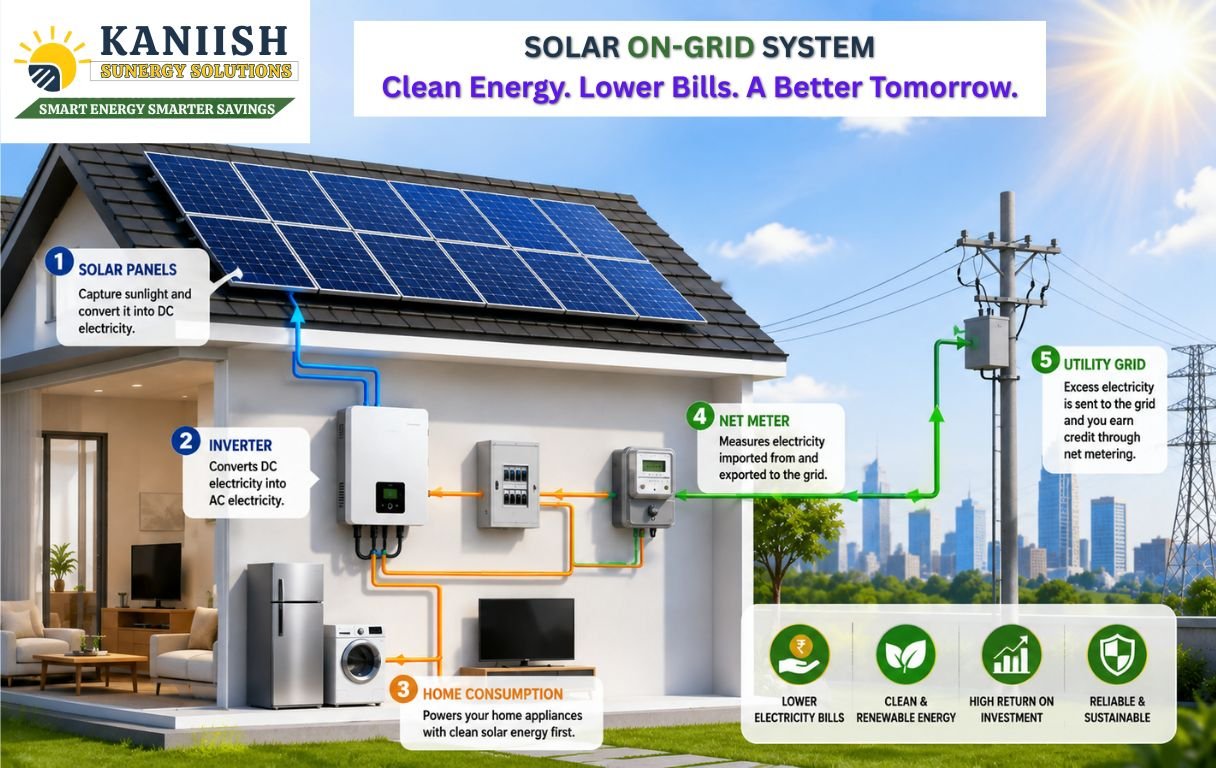
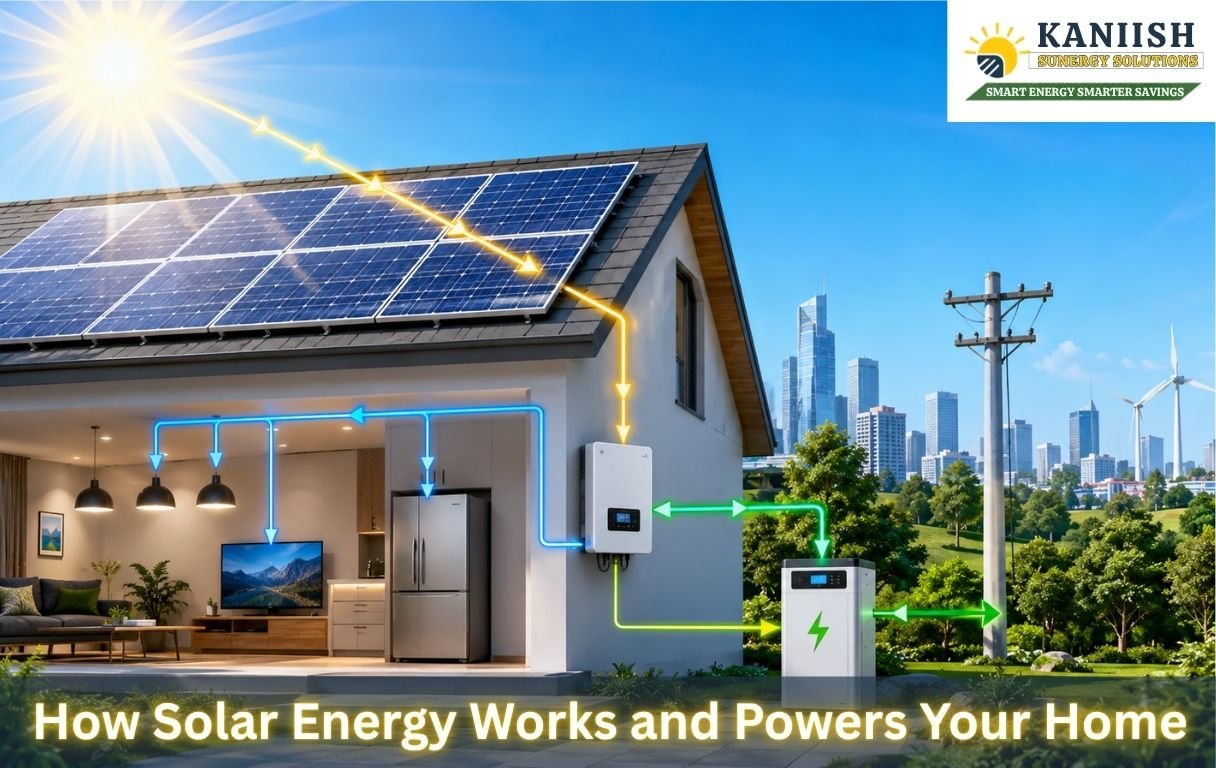
Step One: Solar panels collect sunlight via photovoltaic cells. Then those cells produce direct current (DC) electricity. Then, an inverter transforms that direct electric current (DC) into alternating current (AC), which is what runs your home and commercial appliances.
Furthermore, many solar systems include:
a) Battery storage systems
b) Net metering connections
c) Energy monitoring systems
As a result, users can monitor energy generation and enhance power efficiency.
3. Cost of Solar Energy and is it worth investing?
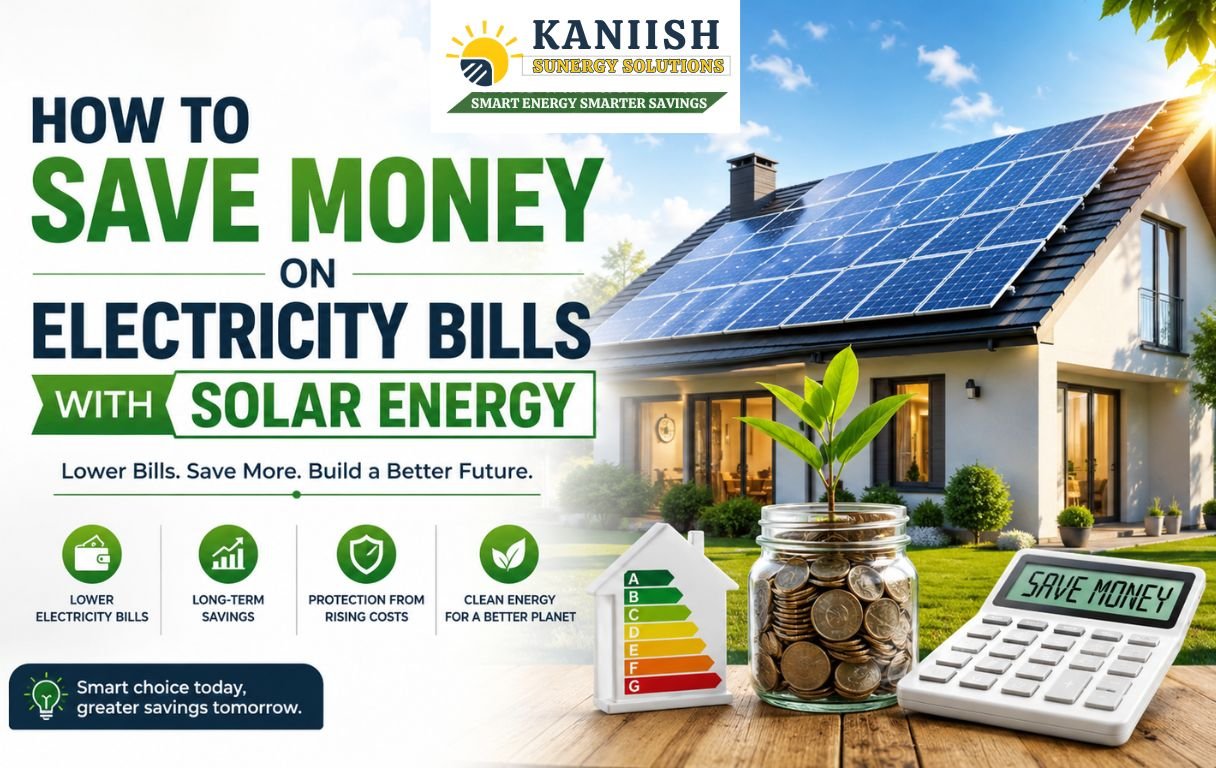
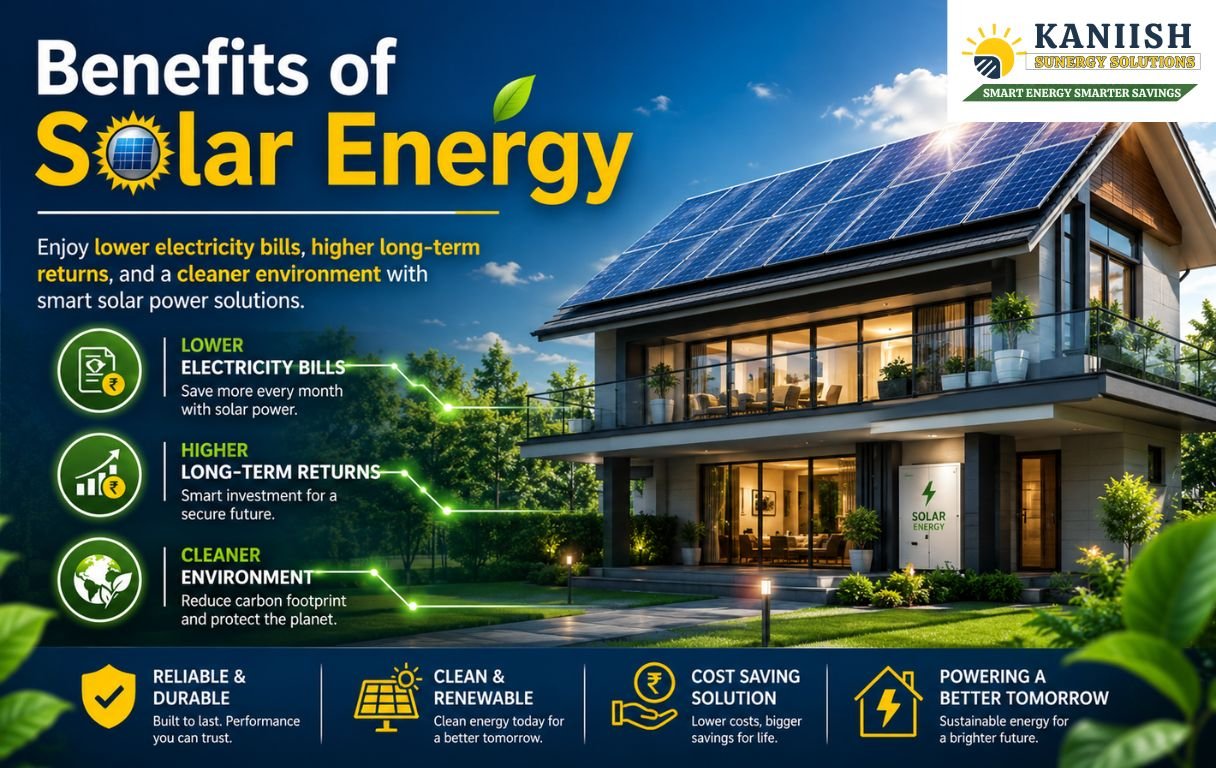
Yes, the attractiveness of solar energy as an investment over a long period is impressive. While the upfront installation cost of solar systems can be high, they also save a lot on monthly electricity bills over the long-term.
Moreover, there are few advantages that solar power offers:
a) Lower electricity expenses
b) Minimal maintenance costs
c) Increased property value
d)Government incentives and subsidies
e) Eco-friendly energy production
As a result, most landlords recoup their investment in 2 to 3 years.
4. How Much Space is Needed for Solar Panels?
Size requirements generally need to be determined by energy demand and system capacity. On average, a typical residential solar system needs approximately 100–200 square feet of rooftop space.
Before installation, professionals evaluate:
a) Roof size
b) Sunlight exposure
c) Power requirements
d) Roof direction and angle
They can, therefore, suggest the most effective solar remedy for the home.
5. Which means all those panels are $1,000 practices in practical economics
Yes, even in cloudy or rainy weather conditions solar panels are still producing power! While they produce less energy than in bright sunny conditions, modern panels do an excellent job of capturing indirect sunlight.
This means that users can still maintain a constant energy output regardless of the weather conditions.
6. Can You Power Your Whole House with Solar Panels?
Absolutely. A well-designed solar system can even provide electricity for an entire household!
Nevertheless, this is the ideal performance and the actual one depends on various factors:
a) Daily electricity usage
b) Number of appliances
c) Battery backup capacity
d) Available sunlight
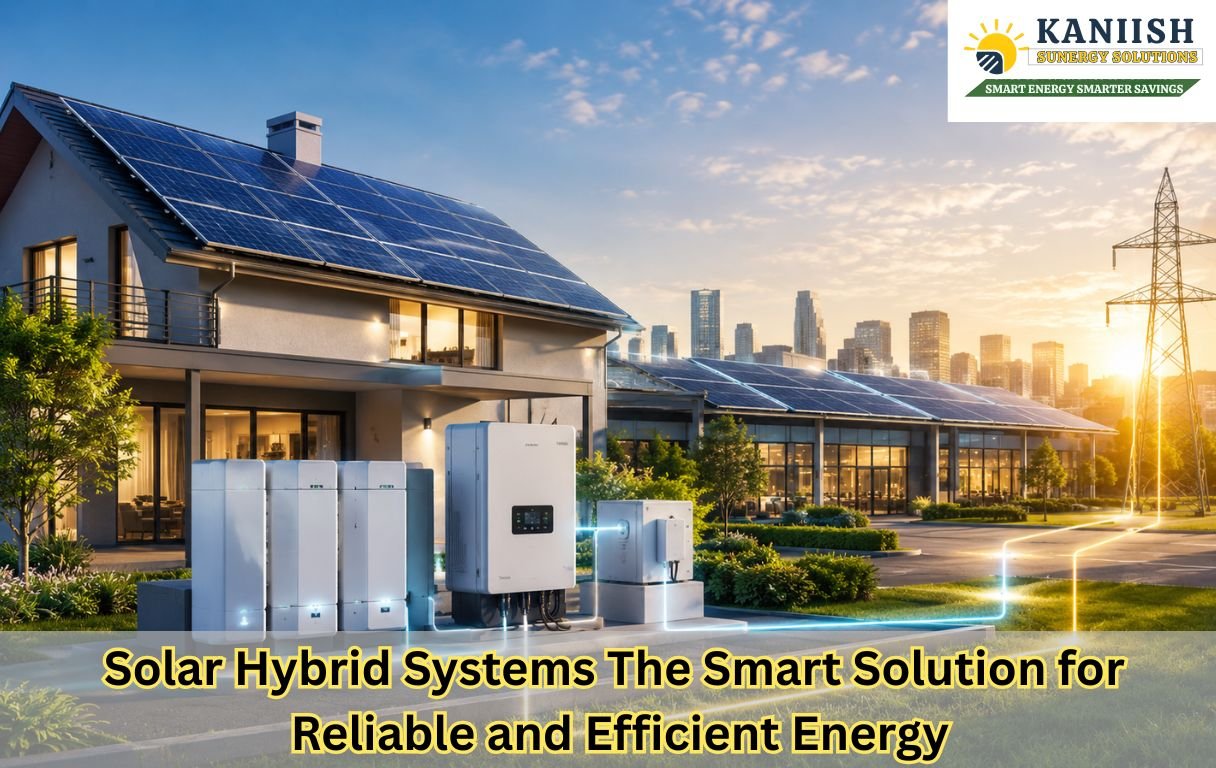
In addition, most homeowners couple solar systems with battery storage to sustain electricity at night or during a power failure.
7. How Often Do Solar Panels Require Maintenance?
The good news is that solar panels need minimal maintenance. However, routine cleaning and inspections will keep it running at peak efficiency.
The maintenance steps suggested by specialists are:
a) Regularly clean dust and debris from panels
b) Remove objects that block sunlight
c) Schedule periodic professional inspections
Solar panels, for the most part, last 25 years or more with proper care.
8. What Is Net Metering?
Net metering enables solar users to feed excess power back into the grid. Any time that the solar system generates more power than needed, this surplus of energy moves into the utility grid.
Electricity suppliers reciprocate accordingly, providing energy credits. In the future, these credits can be used to offset electricity bills.
Hence, net metering facilitates maximization of profit because it helps in solar investment savings.
9. Why is solar energy an environmentally friendly type of energy?
There are no harmful emissions in the production of solar energy. Solar energy does not emit carbon dioxide or air pollutants when generating electricity, unlike fossil fuels.
Consequently, solar energy assists with:
a) Reduce carbon emissions
b) Improve air quality
c) Protect natural resources
d) Support sustainable living
Thus, moving to solar energy generates both environmental and economic value.
10. How long does it take to install solar panels?
The length of time it takes to install will vary on the size system you have and also the complexity of your project. Residential projects are usually completed in a day or three and commercial works can last several weeks.
Usually, the installation process includes:
a) Site inspection
b) System design
c) Approval procedures
d) Panel installation
e) Final testing
The process is always seamless and efficient with experienced professionals.
11. What Are The Things To Keep In Mind Before Solar Installation?
Property owners must contemplate numerous factors before picking a solar system.
These include:
a) Roof condition
b) Available installation space
c) Sunlight availability
d) Electricity consumption
e) Budget and financing options
f) Product quality and warranty
Finally, relying on seasoned solar experts means less headaches about performance and reliability in the long run.
Conclusion :
All in all, solar is a smart, sustainable and future-ready power solution for our homes and businesses. In addition to lowering or even eliminating your electricity bill, solar energy promotes environmental protection and energy independence.
Moreover, solar technology keeps on developing to be all the more impressive, less expensive and progressively open. As a result, increasing numbers of people look to solar energy as one of the best investments that you can do for your long-term portfolio.
If you intend to convert into sunlight energy, this is truly an excellent time frame for investigating solar power energies and committing yourself to a cleaner, safer then all weather journey for your per capita needs.