Uncategorized

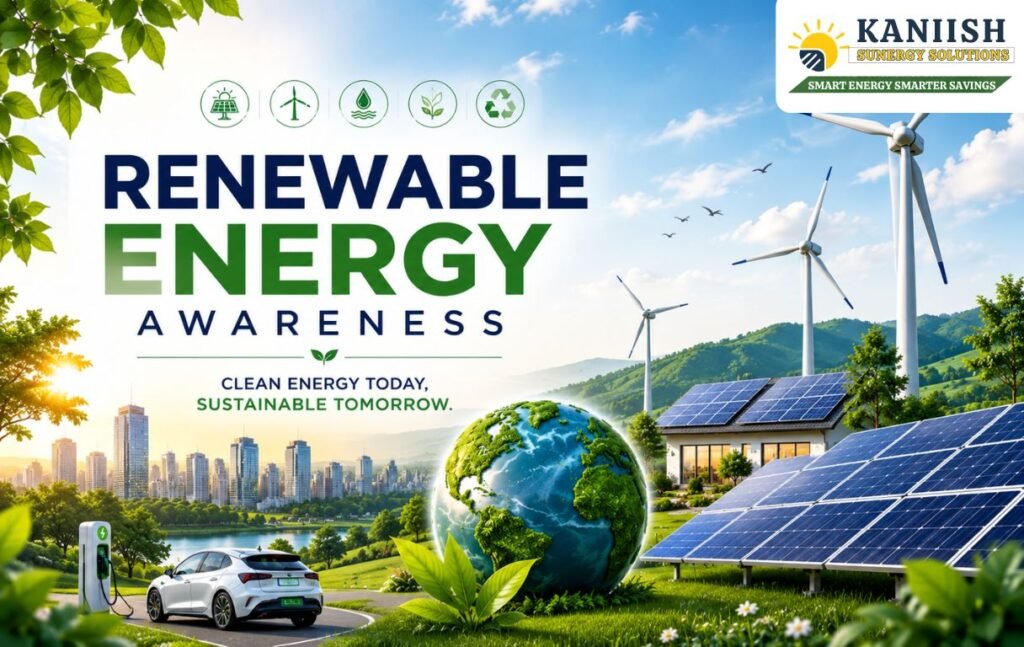
A modern solar energy landscape featuring large solar panels, wind turbines, a sustainable eco-friendly home, and a futuristic city skyline under a bright blue sky, promoting environmental sustainability and clean energy solutions.
Uncategorized

How Solar Energy Sustains the Environment

Introduction : Nineteen hundreds were the time when dependence on fossil fuels was rising fundamentally and now with so many environmental issues that we face globally today like climate change, air pollution, depletion of natural resources — this dependence is also less concerning than ever. Hence, the demand for clean as well as renewable energy solutions has surged enormously. Solar energy is one of the most efficient and environmentally friendly of all renewable energy sources at your disposal. Solar power is a renewable energy that captures the sun’s rays and converts it into clean electric energy without any damaging emissions, no pollution, and no environmental degradation. With that being said, the world of solar power is changing quickly. Be it homes, commercial buildings, industries or solar farms on a large scale, citizens across the world are using solar power and renewable energy not just to save electricity bills but also to ensure a sustainable future. Moreover, although renewable energy systems are generally great financial investments, solar panels also have very positive effects long-term for the environment and social goodwill. Hence, this blog discusses the benefits of solar energy on the environmental sustainability it promotes. What is Solar Energy? Solar energy is generated electricity from sun rays using solar or photovoltaic (PV) panels. These panels capture sunlight and transform it into electricity that can be used to power homes, businesses, and industries. Solar is a renewable and inexhaustible energy source unlike the fossil fuels such as coal, oil and natural gas. In addition, each day the sun gives off more than enough energy to satisfy the world’s electricity needs a number of times over, which makes solar power intrinsically a sustainable long-term solution. Reduces Greenhouse Gas Emissions : A solar energy system´s potential role in mitigating green house gases would have to be one of its greatest environmental benefits. Traditional electricity generation is still largely based on burning fossil fuels which generates CO₂ and other dangerous gases in the atmosphere. Consequently, these pollutants lead to global warming and climate change. But solar panels do not burn fuel to create electricity and do not produce carbon when they operate. Thus, solar energy empowers homes and businesses to shrink their carbon footprint while making a significant contribution towards climate protection. Environmental Impact: a) Decreases CO₂ emissions b) Helps slow global warming c) Decreases reliance on fossil fuels d) Supports healthier communities and a cleaner air Improves Air Quality : Besides contributing to emission reduction, using solar energy improves air quality. Fossil fuel power generation emits pollutants like sulfur dioxide (SO₂) and nitric oxides nitrogen( NOx), as well as particulates. These contaminants can cause diseases like respiratory illness, heart disease and environmental damage. In contrast to fossil fuel, solar energy systems produce clean energy without polluting the air. So, communities that use it for solar power can have less polluted air and live more healthily — A boon for both wildlife and people alike. Benefits of Cleaner Air: a) Reduces respiratory illnesses b) Reduces smog and acid rain c) Creates healthier urban environments d) Protects ecosystems and biodiversity Conserves Natural Resources For example, traditional energy generation makes heavy use of limited natural resources like coal, oil and natural gas. Consequently, over-exploitation of these resources results in environmental degradation, loss of habitat and depletion of resources. On the other hand, solar energy depends on sunlight — which is an inexhaustible and renewable form of energy. Thus, using solar energy preserves naturally occurring resources for subsequent generations. Resource Conservation Benefits: a) Diminishes the ability to mine and drill b) Protects forests and ecosystems c) Decreases environmental destruction d) Promotes responsible energy consumption Reduces Water Usage : Most power plants use these industry-scale cooling and electricity generation – massive amounts of water. That puts strain on freshwater sources, particularly in drought-hit regions. The good news is that solar photovoltaic (PV) systems consume only a small quantity of water to function. Therefore, this extends the water conservation benefits of using solar energy to sustainable water management practices. Water Conservation Advantages: a) Saves freshwater resources b) Supports sustainable water management c) Decreasing power plant water pollution d) Ideal for water-scarce regions Encourages Sustainable Development : Solar energy also provides sustainable development through the availability of sustainable, environmentally friendly, cheap and reliable energy. This enables communities an economic path without detriment to natural systems. Moreover, solar is able to supply power to these rural and isolated areas without having to create expensive grid structures. This in turn broadens possibilities to gain access to education, health, and economic opportunities, while cultivating climate-friendly means of living. Sustainable Development Contributions: a) Green jobs and industries b) It increases access to energy in remote areas. c) Encourages eco-friendly infrastructure d) Promotes long-term economic growth Minimizes Energy Loss : Large-scale energy loss has also been greatly reduced because of solar energy. Conventional electrical devices frequently require a substantial amount of time and power to send energy across lengthy distances. In contrast, solar systems can be deployed directly at-the-point of use (rooftops and local facilities). As a result, energy losses with transmission are reduced and achieves higher efficiency in local demands with such localized energy generation. Efficiency Benefits: a) Reduces electricity wastage b) Improves grid reliability c) Supports decentralized energy systems d) Enhances overall energy efficiency Supports a Cleaner Future : As the technology rapidly improves, solar power systems are becoming more efficient, cheaper and convenient. And worldwide, many government and institutions promotes to share solar by providing through incentives subsidies programs for renewable energy. Hence, you are not only spending money when transitioning to solar energy in your house — but it is also an investment into a cleaner, healthier and sustainable future for the generations to come. Challenges of Solar Energy : While many of the advantageous aspects of solar energy are already well-known, there still remains a few obstacles to overcome. Common Challenges: a) High initial installation costs b) Dependence on sunlight availability c) Energy storage systems need d) The environmental impact

Modern Indian business building with rooftop solar panels and a businessman promoting solar power benefits.
Uncategorized

Benefits of Solar Power for Indian Businesses

Introduction Many Indian businesses continue to face rising electricity costs and frequent power supply disruptions. Therefore, companies now prefer smarter and more efficient energy solutions. Solar power has become one of the best energy options for businesses across India. Moreover, solar energy offers several long-term advantages, from reducing operational costs to strengthening brand image. In addition, the Indian government encourages renewable energy adoption through subsidies, tax benefits, and favorable solar policies. As a result, businesses of all sizes now invest in solar power systems to reduce energy expenses and increase profits. Significant Reduction in Electricity Bills One of the biggest advantages of solar power is lower electricity costs. Commercial buildings, factories, warehouses, and offices consume large amounts of electricity every day. Consequently, monthly electricity bills become a major operational expense. Solar panels convert sunlight directly into electricity, which helps businesses reduce dependence on grid power. Furthermore, companies save a significant amount of money over time. Businesses that install large-scale solar systems often recover their investment within a few years. Moreover, solar energy protects businesses from rising electricity prices. Since energy costs continue to increase, solar power provides long-term financial security. Excellent Return on Investment Solar power systems require an initial investment. However, they deliver excellent returns over the long term. Most solar panels last for more than 25 years, which allows businesses to enjoy continuous savings for decades. Additionally, solar systems contain fewer moving parts, so maintenance costs remain low. The government also provides incentives, accelerated depreciation benefits, and tax advantages. Therefore, solar installations become even more cost-effective. Businesses that invest in solar energy improve cash flow while reducing operating expenses. Energy Independence and Reliability Power cuts and voltage fluctuations continue to affect productivity in many parts of India. Manufacturing units, IT companies, hospitals, and commercial establishments often face interruptions because of unstable electricity supply. Solar power systems help businesses achieve greater energy independence. Furthermore, companies can combine solar panels with battery storage systems to ensure uninterrupted power supply for long hours. As a result, businesses continue operations without depending completely on the electricity grid. Reliable energy also improves employee productivity and customer satisfaction. Environmentally Friendly Energy Solution Businesses now focus more on sustainability and environmental responsibility. Solar energy generates clean electricity without harmful emissions. Therefore, companies can significantly reduce their carbon footprint. By adopting solar power, businesses contribute to cleaner air and a healthier environment. Moreover, sustainable practices help companies align with global environmental standards and corporate social responsibility goals. Today, many consumers prefer eco-friendly brands. Consequently, solar energy adoption improves brand trust and public image. Increased Brand Reputation Modern consumers value businesses that prioritize sustainability. Companies that use renewable energy often create a positive impression among customers, investors, and business partners. Installing solar panels on office buildings and factories reflects innovation and environmental responsibility. In addition, businesses can use their solar initiatives in marketing campaigns and corporate communication strategies. A strong green image helps businesses attract environmentally conscious customers and improve market positioning. Low Maintenance Requirements Solar power systems require very little maintenance compared to traditional energy sources. Most solar panels operate efficiently for decades with simple cleaning and periodic inspections. Furthermore, modern solar technology offers excellent durability and reliable performance in different weather conditions. Therefore, businesses spend less time and money on maintenance activities. Low maintenance requirements make solar energy a practical and hassle-free solution for commercial operations. Government Support and Incentives The Indian government strongly promotes renewable energy adoption across all sectors. Several schemes and incentives encourage businesses to install solar systems. For example, businesses can benefit from accelerated depreciation, net metering policies, and financial subsidies. Additionally, many state governments provide extra support for commercial solar projects. These incentives reduce installation costs and increase overall profitability. Consequently, solar energy becomes more accessible for small and medium-sized businesses. Better Property Value Commercial properties with solar systems often achieve higher market value. Buyers and tenants prefer buildings with lower operating costs and energy-efficient infrastructure. Moreover, solar-powered commercial spaces offer long-term savings, which increases their attractiveness in the real estate market. Therefore, businesses gain both financial and property-related benefits. Supports India’s Renewable Energy Goals India continues to expand its renewable energy infrastructure to reduce dependence on fossil fuels. Businesses that adopt solar power actively support the country’s clean energy mission. Furthermore, corporate participation accelerates sustainable infrastructure development across the nation. Companies that invest in solar energy contribute to economic growth while protecting valuable natural resources. Conclusion Solar power has become a smart and profitable investment for Indian businesses. It reduces electricity costs, improves energy reliability, strengthens brand reputation, and supports environmental sustainability. Moreover, government incentives and long-term savings make solar energy even more attractive for commercial use. As energy demands continue to rise, businesses must adopt efficient and future-ready solutions. Solar power not only improves operational performance but also creates a positive impact on the environment and society. Therefore, Indian businesses should consider solar energy as a long-term strategy for growth, stability, and sustainability.

Professional solar technician inspecting rooftop solar panels during sunset for clean energy solutions.
Uncategorized

Top Solar Questions Answered by Experts

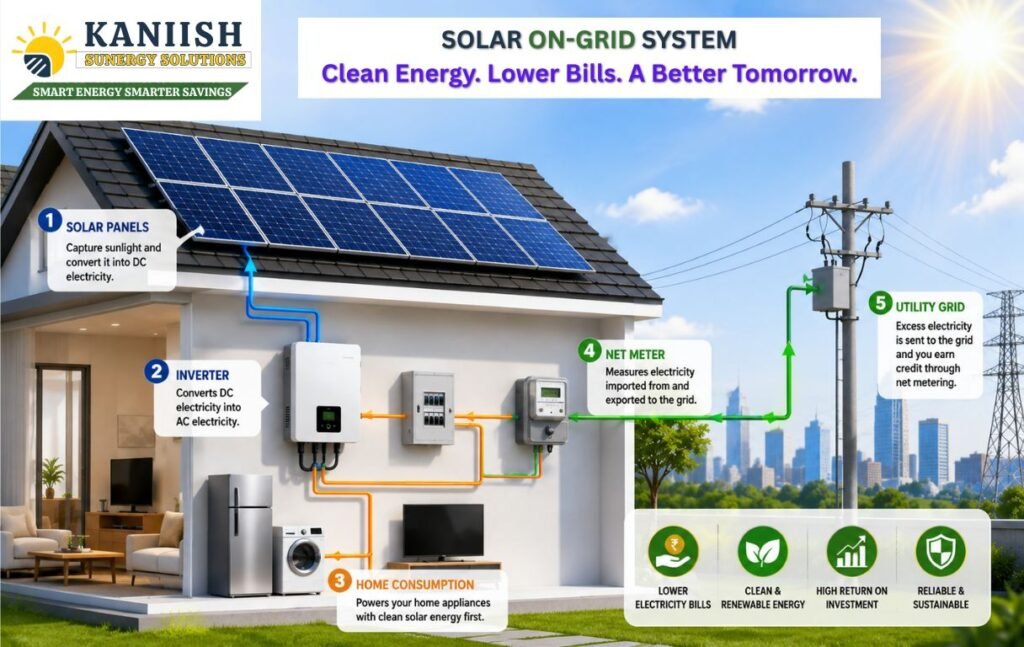
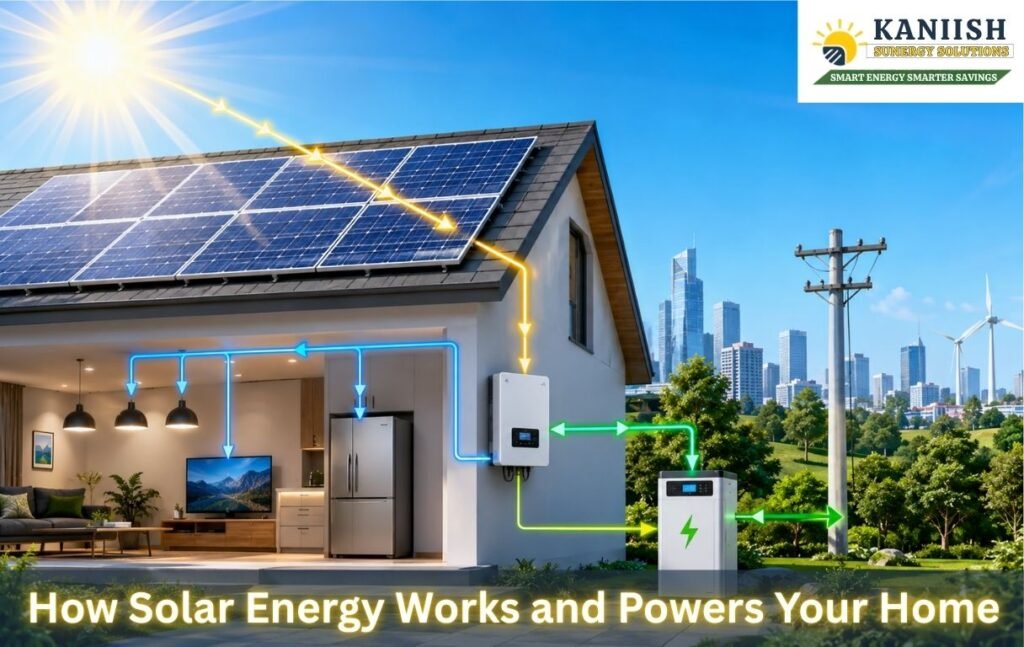
Introduction : Solar energy has emerged as one of the most reliable and affordable power systems for households, businesses, industries today. With the rising electricity costs, more and more people are now opting for solar power to save costs as well as minimize environmental impact. As far as larger solar systems go, now new solar technology gives improved effectiveness, long-term price cut and little upkeep. But before you invest in a solar system, there are still significant questions that many homeowners and business owners have. They tend to ask basic questions including how solar panels work, true savings, and if solar energy could power the entire property. Thus, this guide builds on the keywords by answering the most common solar questions with simple and practical explanations directly from industry professionals. 1. What Is Solar Energy? Solar energy is electricity from sunlight using solar panels. Solar panels have photovoltaic (PV) cells in them that convert sunlight into usable electric current. Henceforth homes and businesses can power their appliances, lighting systems as well as electronic devices using renewable energy rather than using other conventional sources of power. Solar energy, in addition to reducing reliance on fossil fuels, helps achieve environmental sustainability. 2. How Do Solar Panels Work? Step One: Solar panels collect sunlight via photovoltaic cells. Then those cells produce direct current (DC) electricity. Then, an inverter transforms that direct electric current (DC) into alternating current (AC), which is what runs your home and commercial appliances. Furthermore, many solar systems include: a) Battery storage systems b) Net metering connections c) Energy monitoring systems As a result, users can monitor energy generation and enhance power efficiency. 3. Cost of Solar Energy and is it worth investing? Yes, the attractiveness of solar energy as an investment over a long period is impressive. While the upfront installation cost of solar systems can be high, they also save a lot on monthly electricity bills over the long-term. Moreover, there are few advantages that solar power offers: a) Lower electricity expenses b) Minimal maintenance costs c) Increased property value d)Government incentives and subsidies e) Eco-friendly energy production As a result, most landlords recoup their investment in 2 to 3 years. 4. How Much Space is Needed for Solar Panels? Size requirements generally need to be determined by energy demand and system capacity. On average, a typical residential solar system needs approximately 100–200 square feet of rooftop space. Before installation, professionals evaluate: a) Roof size b) Sunlight exposure c) Power requirements d) Roof direction and angle They can, therefore, suggest the most effective solar remedy for the home. 5. Which means all those panels are $1,000 practices in practical economics Yes, even in cloudy or rainy weather conditions solar panels are still producing power! While they produce less energy than in bright sunny conditions, modern panels do an excellent job of capturing indirect sunlight. This means that users can still maintain a constant energy output regardless of the weather conditions. 6. Can You Power Your Whole House with Solar Panels? Absolutely. A well-designed solar system can even provide electricity for an entire household! Nevertheless, this is the ideal performance and the actual one depends on various factors: a) Daily electricity usage b) Number of appliances c) Battery backup capacity d) Available sunlight In addition, most homeowners couple solar systems with battery storage to sustain electricity at night or during a power failure. 7. How Often Do Solar Panels Require Maintenance? The good news is that solar panels need minimal maintenance. However, routine cleaning and inspections will keep it running at peak efficiency. The maintenance steps suggested by specialists are: a) Regularly clean dust and debris from panels b) Remove objects that block sunlight c) Schedule periodic professional inspections Solar panels, for the most part, last 25 years or more with proper care. 8. What Is Net Metering? Net metering enables solar users to feed excess power back into the grid. Any time that the solar system generates more power than needed, this surplus of energy moves into the utility grid. Electricity suppliers reciprocate accordingly, providing energy credits. In the future, these credits can be used to offset electricity bills. Hence, net metering facilitates maximization of profit because it helps in solar investment savings. 9. Why is solar energy an environmentally friendly type of energy? There are no harmful emissions in the production of solar energy. Solar energy does not emit carbon dioxide or air pollutants when generating electricity, unlike fossil fuels. Consequently, solar energy assists with: a) Reduce carbon emissions b) Improve air quality c) Protect natural resources d) Support sustainable living Thus, moving to solar energy generates both environmental and economic value. 10. How long does it take to install solar panels? The length of time it takes to install will vary on the size system you have and also the complexity of your project. Residential projects are usually completed in a day or three and commercial works can last several weeks. Usually, the installation process includes: a) Site inspection b) System design c) Approval procedures d) Panel installation e) Final testing The process is always seamless and efficient with experienced professionals. 11. What Are The Things To Keep In Mind Before Solar Installation? Property owners must contemplate numerous factors before picking a solar system. These include: a) Roof condition b) Available installation space c) Sunlight availability d) Electricity consumption e) Budget and financing options f) Product quality and warranty Finally, relying on seasoned solar experts means less headaches about performance and reliability in the long run. Conclusion : All in all, solar is a smart, sustainable and future-ready power solution for our homes and businesses. In addition to lowering or even eliminating your electricity bill, solar energy promotes environmental protection and energy independence. Moreover, solar technology keeps on developing to be all the more impressive, less expensive and progressively open. As a result, increasing numbers of people look to solar energy as one of the best investments that you can do for your long-term portfolio.

Industrial solar panels installed at a manufacturing facility with an engineer monitoring renewable energy systems during sunset.
Uncategorized

Manufacturing Sector Industrial Solar Solutions

Introduction : Manufacturers are on a mission to find solutions that reduce operational costs, enhance efficiency and pursue sustainable goals today. While power costs are increasing, and stringent environmental standards also heaps new challenges on businesses. Therefore, several sectors today have adopted industrial solar energy so that they can be in command of their power utilization and operating costs. Industrial solar systems help manufacturers generate clean and stable power directly from sunlight. Moreover, these systems reduce reliance on conventional power sources while improving long-term profitability. As a result, manufacturers can manage energy costs more effectively and increase operational efficiency. Today, industries ranging from automotive plants to textile manufacturing facilities increasingly adopt solar energy to create more sustainable and efficient operations. Therefore, this case study demonstrates how industrial solar solutions have enabled a manufacturing company to reduce energy costs, increase productivity, and achieve stronger environmental performance. In addition, the implementation of solar energy has improved operational efficiency and supported long-term sustainability goals. Challenges Faced by Manufacturers : Even though manufacturing facilities consume massive amounts of electrical energy every day, they still require a continuous power supply to operate heavy machinery, automated production lines, cooling systems, and lighting equipment efficiently. As a result, manufacturers often face extremely high electricity bills. Furthermore, rising energy consumption continues to increase overall operational expenses for industrial businesses. In addition, industries commonly experience: a) Rising energy costs b) Frequent voltage fluctuations c) Unexpected power outages d) Increased carbon emissions e) Higher operational expenses f) Pressure to meet sustainability standards These challenges have led a growing number of manufacturers to seek alternative energy solutions as a way to improve efficiency while lowering long-term costs. The Industrial Solar Solution : One effective solution to tackle these challenges involves installing a rooftop industrial solar power system for the manufacturing company. Through this system, solar panels convert sunlight directly into electricity to power the facility efficiently. As a result, the company significantly minimizes its reliance on grid electricity. Furthermore, the solar installation helps reduce operational costs while supporting long-term sustainability goals. Essential Parts of a Solar System : a) High-efficiency solar panels b) Industrial-grade inverters c) Smart monitoring systems d) Optional battery backup solutions e) Grid-connected energy management system Additionally, engineers built the solar system based on the energy demand of the factory, roof area and operations. Case Study Overview : Industry Type Automotive Components Manufacturing Facility Size 100,000 sq. ft manufacturing unit Location Industrial Zone, India Monthly Energy Consumption Approximately 1.2 MW Solar System Installed 750 kW Rooftop Solar Power Plant Main Objectives a) Reduce electricity expenses b) Improve operational efficiency c) Achieve sustainability targets d) Ensure stable energy supply Implementation Process : 1. Energy Audit and Site Analysis Initially, the engineering team performed a thorough energy audit of electricity consumption trends and peak load demand. During the assessment, the team assessed: a) Daily power consumption b) Roof load capacity c) Solar exposure levels d) Shading conditions e) Production schedules Hence, the most optimum efficient and performing capacity for a solar power plant was determined by the company. 2. System Design and Engineering Then, solar experts designed a unique system layout for the manufacturing plant. The design was optimized for maximum sunlight absorption, but also ensured that the components were safe, rugged, and easily accessible for routine maintenance. The team added sophisticated monitoring software to allow real time tracking of energy production and overall system functionality. 3. Installation and Grid Integration Next, installers carried out the solar installation in multiple phases to avoid interrupting factory operations. Meanwhile, engineers integrated the energy generated from the solar system into the existing electrical grid for smooth and efficient power distribution. As a result, the company maintained continuous production while successfully upgrading its energy infrastructure. Key highlights included : a) Minimal production downtime b) Safe electrical integration c) Smart energy monitoring system d) Optimized power management Results Achieved : Significant Reduction in Electricity Costs  The manufacturer cut electricity costs by almost 45% in the first year. As the solar system produced most of daytime power needs, it significantly reduced monthly utility costs. Improved Operational Efficiency The stable power supply minimized the disruption associated with voltage dips and interruptions. As a result, machines operated more efficiently and needed less maintenance. Besides, that too reduced downtime and made production consistent. Faster Return on Investment (ROI) This meant that the company, if everything went well, could expect a return on its investments within 4 to 5 years. ROI was accelerated due to a few factors, namely: a) Lower electricity bills b) Government solar incentives c) Reduced maintenance costs d) Long-term energy savings As a result, this investment generated substantial financial benefits for the firm. Enhanced Sustainability Performance An industrial solar system also enabled the manufacturer to reduce its environmental footprint. The firm cut its reliance on fossil fuels and carbon emissions by producing clean energy. Environmental Benefits a) Annual decrease of thousands of tons CO₂ emissions b) Supported cleaner manufacturing operations c) Improved ESG and sustainability performance d) Strengthened corporate environmental responsibility Advantage of Industrial Solar for Manufacturers : 1. Long-Term Cost Savings For decades industrial solar systems supported manufacturers to decrease their energy bills. In addition, companies also shield themselves from rising utility prices and fluctuations in energy markets. 2. Greater Energy Independence The energy from the solar allows factories to produce their own energy. This, in turn, affords manufacturers greater operational stability and less reliance on third-party energy suppliers. 3. Stronger Brand Reputation Today, customers and modern investors increasingly prefer environmentally responsible businesses. Consequently, manufacturers that adopt renewable energy solutions often strengthen their market reputation and enhance overall brand value. Furthermore, sustainable business practices help companies build greater customer trust and attract long-term investment opportunities. 4. Government Incentives and Tax Benefits Several governments provide incentives in the form of subsidies, tax benefits, and financial assistance for industrial solar installation. This enables lower installation costs and increased margins for companies. 5. Low Maintenance Requirements Solar systems of the modern age require an almost negligible amount

Solar-powered commercial office building rooftop with solar panels during sunset, showcasing energy-efficient and sustainable business infrastructure.
Uncategorized

Solar Case Study Cost Savings For An Office Building

Introduction : Across the globe today businesses are experiencing climbing costs for electricity and growing impetus to transition towards sustainability. Accordingly, several businesses consciously choose viable solar energy as a feasible alternative. As a success story, this sub-section discusses how one particular commercial office building successfully changed their energy usage by adopting solar energy solutions in order to move toward the future through reduced operational costs and greener business practices. The Challenge : The office building incurred very high electricity bills since lighting, air conditioning and office equipment were operated 24/7. This entailed dealing with unpredictable energy prices, compounded by frequent load shedding. So, the management team decided to implement a longer term solution that could reduce costs while helping achieve sustainability goals. The Solar Solution : Post an in-depth energy audit, the team decided to go with a rooftop solar PV system. Specifically, they installed: 1. High-efficiency solar panels 2. InvertersAdvanced systems that convert solar energy into usable electricity 3. Batteries for backup when the grid goes down 4.Smart monitoring systems to monitor performance on a real time basis Thus the system optimally absorbed sunlight and produced uniform energy output throughout the year. Implementation Process : The team carried out the project in phases to smoothen the operations. Engineers first conducted a site assessment and developed the system design based on energy requirements and roof space. Finally, technicians set up the solar panels and equipment with little interruption. They then plugged the system into the local power grid to export surplus energy. Last but not least, the team tested and fine-tuned the system to ensure maximum efficiency. Results & Savings : As a result, the building performed remarkably 1. Lower Electricity Bills: The organization minimized monthly power prices from 60–70%. 2. ROI: Payback Period of the System is 4-5 years sharp. 3. Energy Independence: The building dependency on grid is reduced, avoiding inconveniences in interruptions. 4. Reduced Carbon Dioxide Footprint : The company is focusing on reducing green house gases. Environmental Impact : Moreover, the transition to solar power allows for environmental sustainability. The building now produces so little carbon it is like planting hundreds of trees every year. Thus, the company not only contributes to environmental sustainability but also builds its image as a responsible organization. Key Benefits for Businesses : As we can see, solar offers the commercial space many advantages 1. It delivers long-term cost savings 2. Hosts also protects businesses from Alberta Energy’s rising prices 3. It increases property value 4. It supports eco-friendly operations Provides access to government leniencies and tax deductions Conclusion : To summarize, this was a prudent strategic investment for the office building to go solar! The company not only reduced cost but established energy stability and environmental savings. So, companies with a high energy bill will do well to look at solar as their solution for the future & start writing their own success story.

Smiling Indian family outside a modern house with rooftop solar panels, electricity meter and energy savings graph visible, representing reduced power bills and sustainable living.
Uncategorized

Residential Solar Case Study: Saving Money on Home Bills

Introduction : Power bills are going up and people are looking everyday for savvier ways to keep their wallets intact. Many families, at the same time, want cleaner and more sustainable sources of energy. This increased demand has made residential solar systems very feasible and affordable. This case study will show you how we helped a homeowner save massively on their electricity bills. Even more importantly, we describe how the process, hurdles and results in an approachable manner. Understanding the Problem : In the beginning, the homeowners had been paying high monthly electricity bills because they used a lot of appliances – air conditioners, refrigerators and home office equipment. It led to a higher than average monthly bill, particularly in the summer months. Just because they were dependent entirely on grid power, they started facing issues of tariff increases and variations in electricity. So, they needed more than a quick fix. Our Approach : First up we did an extensive energy audit for the home. This step has given us an understanding of the consumption nature and the peak times. Using this data we were then able to create a bespoke solar solution to meet the needs of the homeowner. Then we proposed a roof-top solar system that is well sized to maximize savings. We took other precautions too, such as guaranteeing adequate solar panel placement for maximum sun exposure throughout the day. Additionally, premium components were employed to provide long-term functionality and integrity. Along the way, we did manage to simplify the entire installation process enough that it was as simple as putting a pin into place for the homeowner term. Installation Process : After the plan was approved our team jumped right into the installation phase. First we engineered the rooftop part to hold in a secured way the example solar panels. Following that, we installed the panels at an optimal angle for maximum effectiveness. Then we hooked it up to an inverter, which turns solar power into usable electricity. Finally we connected it to the home’s electrical system and performed all functionality and safety tests. Consequently, the system was up and running in no time at all. Results and Savings : The results were incredible. In fact, the homeowner noticed a serious drop in their electricity bill as early as within one month. Eventually, the savings were so steady and predictable. The system lowered electricity costs by 70–80%, depending on seasonal use. Also, with all the clean energy that was being produced now the owner had less of a carbon footprint. They became what the song says: Not only did they save money, now they have energy independence. As a result, they now can breathe slightly easier in light of rising electricity prices. Key Benefits : This project very clearly provided a number of benefits: 1. Lower monthly electricity bills 2. Faster return on investment 3. Reduced dependency on the grid 4. Environment-friendly energy usage 5. Increased property value This is why solar power turned out to be a cost-effective and environmentally friendly option. Conclusion : To sum up, this case study highlights the impact that a proper solar solution can have on residential home energy consumption. Our 9.275 kW solar system achieved long-term savings and sustainability for our customer with the custom solution we provided, and proper installation. In the end, residential solar power is more than money in someone’s pocket—it’s a way for homeowners to seize control over their energy future. Well, if you wish to reduce your electricity expenses and opt for a better solution, now is the right time to go solar. 

Modern home with rooftop solar panels and battery storage system providing uninterrupted power supply and energy backup.
Uncategorized

Battery Storage Optimizes Uninterrupted Power Supply

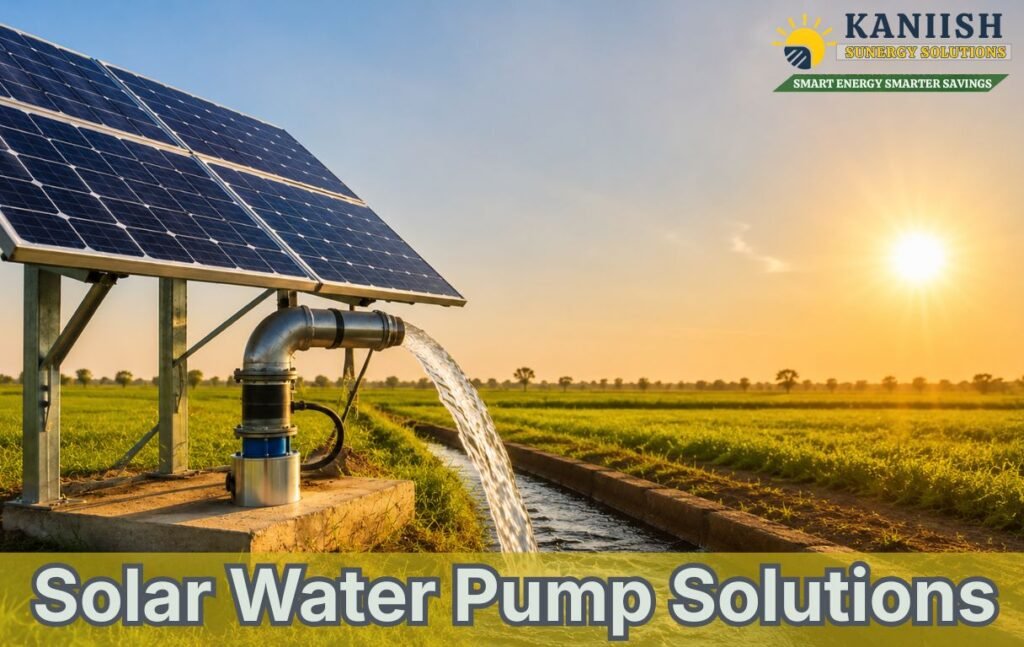
Introduction : A reliable and uninterruptable supply of power is no longer a luxury with the rapid technological advancements in our current world. Whether at homes or hospitals, businesses or data centers  even a few minutes of power interruption can result in significant inconvenience and loss of revenue. Thus, the importance of battery storage systems is in facilitating a continuous supply of power. Such systems accumulate energy and provide it at the right time. Battery storage enhances energy reliability and efficiency, whether you use them with renewable energy sources like solar or as a standalone backup. What is Battery Storage? Battery storage systems are used to store electrical energy for usage at a later time. They are charged via mains electricity or from clean sources like a solar panel and deliver power whenever the grid is down, demanding or for peak power. The most common types of battery storage systems in general are: 1. Lithium-ion batteries 2. Lead-acid batteries 3. Flow batteries Of these, lithium-ion is the leading storage technology due to high efficiency, longer lifetime and compactness. How Battery Storage Works : This process sustains a very basic and effective cycle of battery storage systems: 1. The system stores energy first during low-use hours, or when there is surplus energy. 2. After that, an energy management system tracks usage and determines when to store or use power. 3. Features and Advantages During the power off, it can directly supply backup electricity immediately without waiting. 4. The grid comes back, and the system charges. Because of this, the users can enjoy a non-stoppable power supply without any interruption. Key Benefits of Battery Storage 1. Uninterrupted Power Supply Battery storage systems offer instant backup power during outages; moreover, they ensure the continuous operation of essential devices and systems. 2. Enhanced Energy Reliability These systems serve a dual purpose of decreasing reliance on the grid as well as safeguarding against transients and complete power outages. They also provide a more reliable energy source. 3. Integration with Renewable Energy Users can still store surplus output for later use via battery systems. So, you can still harness renewable energy during night hours or inclement weather. 4. Cost Savings This allows users to charge the battery during low demand, then use it while in peak time. As a result, they can help customers save massively on power bills too. 5. Environmental Benefits Energy storage supports the use of renewables. This decreases dependency on fossil fuels and resultant carbon footprints. Applications of Battery Storage : Battery storage systems are used successfully in fish sectors: 1. They serve as a power reliability back up for homes during the power outages. 2. They protect sensitive equipment and continuity of business for commercial buildings. 3. They keep the production process consistent for industries. 4. They assist in the functioning of essential medical devices for healthcare centers. 5. They save the most in terms of uptime and loss of data for the data centers. Basically, such systems provide reliability enhancement in many applications. Traditional Backup Systems vs Battery Storage : While diesel generators stay on standby during power outages, battery storage, in contrast, provides clear advantages as a more efficient and reliable backup power solution. Traditional backup systems like diesel generators still exist; However, battery storage offers clear advantages: Feature Battery Storage Diesel Generator Startup Time Instant Delayed Noise Silent Noisy Maintenance Low High Environmental Impact Eco-friendly Polluting Operating Cost Lower Higher No doubt, battery storage is cleaner, quieter and more efficient form. Future of Battery Storage : The years 2023–2030 are set to see that battery storage spread even further, aided by the continual improvements in and decreasing prices for technology. The increasing shift toward renewable energy also drives the need for energy storage systems at the same time. In addition, governments and businesses increasingly invest in battery storage solutions to build resilient and sustainable power systems. Conclusion : Overall, battery storage is revolutionising the way we store and use energy; moreover, it guarantees a constant power supply, enhances energy reliability, and supports the integration of renewable energy. Ultimately, investing in battery storage makes sense; moreover, it supports a reliable power supply and strengthens the future of renewable energy generation.

Person cleaning rooftop solar panels with a brush and water under bright sunlight
Uncategorized

The Ultimate Guide to Cleaning Solar Panels

Introduction ; A smart way to be energy-efficient and cut back your electricity cost is by installing solar panels. But there is one very important aspect that most people tend to overlook—hygiene. Panel efficiency is compromised due to dust, dirt, bird droppings and pollution deposits. The good news is you can do the cleaning on your own, if you use the correct method. This guide is aimed at providing you with a few simple and easy tips on maintaining solar panels so that everything continues to function effectively for your needs. The Importance of Cleaning Solar Panels : Solar panels can convert sunlight into electricity. But dirt prevents sunlight from reaching and consequently reduces power generation. Key Benefits of Cleaning: a) First, it improves energy output b) Moreover, it extends panel lifespan c) It also prevents damage in the long run d) Consequently, it optimizes the ROI Efficiency can drop 5–20% in dusty environments, even with a layer of dust only 10mm thick. How Frequently Should You Clean Solar Panels? Cleaning frequency, however is dictated by your environment and the environmental conditions. General Guidelines: a) Clean every three to four months in cities. b) Clean every 1–2 months in dusty or industrial regions c) You can wash them less in rainy areas d) Clean right after storms or bird activity So regular inspection lets you determine the cleaning schedule. When to Clean Solar Panels BEING IN THE RIGHT TIME FOR CLEANING Ideal Time:  Early morning or late evening Why? a) The first being cooler panels mitigate the chance of damage b) Furthermore, water is not evaporated quickly c) As such, streak marks are avoided! Do not, however clean when direct sunlight is streaming. Tools You’ll Need : You don’t need expensive tools. Rather, ordinary household items can be used. Essential Items: 1. Soft cloth or sponge 2. Mild soap or detergent 3. Bucket of water 4. Hose or low-pressure spray 5. Soft brush (optional) 6. Squeegee for drying Finally, stay away from strong chemicals and abrasive items. Step-by-Step DIY Cleaning Process : Step 1: Turn Off the System Before proceeding, it is important to turn off your solar panel system for safety reasons. Step 2: Remove Loose Dirt Then, use a hose to mellow dust and debris. Step 3: Soap Solution Cleaning Next, combine soap and water, and wipe down the sheets with a soft cloth or sponge. Step 4: Rinse Thoroughly Next, wash the panels correctly to eliminate any sort of soap residue. Step 5: Dry the Panels Finally, squeegee or leave the panels to air dry. Safety Tips You Should Follow : So cleaning solar panels frequently means working on heights too. So you need to take certain precautions. 1. Use a stable ladder 2. Wear non-slip footwear 3. Avoid stepping on the panels 4. Never use high-pressure water 5. If needed, hire professionals Common Mistakes to Avoid :   There are simple mistakes that many make which damage these solar panels. So, avoid the following: 1. Using abrasive scrubbers 2. Cleaning during hot weather 3. Applying harsh chemicals 4. Ignoring safety measures 5. Walking directly on panels When to Call Professionals : Sometimes, you need to consult a professional. 1. When panels are hard to reach 2. When heavy dirt builds up 3. When you lack safety equipment 4. When you manage large systems This allows professionals to sanitize thoroughly and safely. Conclusion : So, in short, routine cleaning keeps your solar panels performance intact and helps to last long as well. For little effort extra life and cost savings. Moreover, consistent maintenance ensures that the energy output from your solar investment is maximized. So, do your stuff today in order to have a world-class results Tomorrow.

Solar company evaluation process for rooftop solar installation
Uncategorized

What to look for How to Evaluate a Solar Company

Introduction : One of the smartest moves you can do these days is to switch into energy from the Sun. Solar Energy provides a safe and economical solution with rising energy prices and growing environmental pollution. But while going solar is a big step, selecting the right solar company can be just as critical. With a trustworthy solar company, you will get the right installation that will last for years and returns good investment on your end. However, with so many to choose from, it could be difficult deciding which one to go for. This post will guide you through all the key elements to consider prior to selecting a solar company. Company Experience and Track Record : When it comes to solar installations, experience is key. In fact, companies with many years in the industry are more likely to possess the expertise needed to handle a wide range of projects. As a result, choosing an experienced provider ensures better quality, efficiency, and reliable system performance. What to check: 1. Years of operation 2. Number of installations completed 3. All professional project types (commercial, residential and industrial) Although solar installation may seem simple and easy, it is important to choose an experienced company. In fact, a professional provider can effectively handle any challenges that may arise during both installation and ongoing maintenance. As a result, you can ensure a smoother process and long-term system performance. Certifications and Licenses : An ideal solar firm ought to hold full registrations and certifications. These indicates compliance with industry standards and safety regulations of the company. Look for: 1. Government approvals 2. Certified installers 3. Compliance with local regulations In fact, certified companies make sure your system is installed correctly and properly. Quality of Solar Products : The performance of your solar system is closely linked to the components that are used. Key components to evaluate: 1. Solar panels (efficiency and durability) 2. Inverters (performance and reliability) 3. Mounting structures Furthermore, it is essential to inquire about the brand of products being used, the warranties offered by the company, and the expected lifespan of your roof. In addition, choosing high-quality materials may seem costly upfront; however, they can save you significant money over time through durability and reduced maintenance costs. Warranty and After-Sales Support : Moreover, a solar system is a long-term investment, typically lasting between 20 to 25 years. Therefore, having strong warranty coverage is essential to protect your investment and ensure reliable performance over time. Check for: 1. Panel warranty (usually 20–25 years) 2. Inverter warranty (5–10 years) 3. Workmanship warranty Finally, it is important to ensure that the company offers reliable after-sales service. In addition, this should include timely maintenance, reasonable servicing, and prompt assistance in resolving any issues. As a result, strong customer support ensures long-term performance and peace of mind. Pricing and Transparency : Although cost is always an important factor, it is essential to remember that cheaper does not always mean better. Therefore, choosing a company with transparent and honest pricing helps you clearly understand what you are paying for. As a result, this ensures better value, quality, and long-term savings. Evaluate: 1. Detailed quotation 2. Hidden charges 3. Financing options Get multiple quotes to check you are getting value for money. Customer Reviews and Testimonials : Real customer feedback provides very valuable insights into trust and service. Where to check: 1. Google reviews 2. Social media pages 3. Website testimonials Search for repeat positive reviews, and what an organization does when there are complaints. Customized Solutions : All houses or businesses have various power as well as electrical energy requirements. A good solar company will provide guideline solutions and not just a one-size-fits-all solution. Expect: 1. Site inspection 2. Energy consumption analysis 3. Tailored system design Custom solutions make certain to achieve best efficiency and savings. Installation Process and Timeline : Knowing how it is installed prevents wasting time and confusion. Ask about: 1.  Project timeline 2. Installation steps 3. Required permissions Furthermore, an experienced solar company will provide a clear roadmap of how each step of the process is carried out. As a result, this ensures proper planning, smooth execution, and efficient system performance from start to finish. Maintenance and Monitoring Services : Furthermore, while solar systems require minimal upkeep, they still need periodic maintenance to perform at their best. Therefore, regular inspections and timely servicing help ensure optimal efficiency, longevity, and consistent energy output. Check if they offer: 1. Periodic maintenance 2. System monitoring tools 3. Performance reports Moreover, many solar companies offer mobile apps that allow you to monitor your energy generation in real time. As a result, you can easily track system performance, optimize usage, and stay informed about your solar energy output at any moment. Local Presence and Support : More local presence means quicker service and support in the case of a company with a bigger footprint (if that is what you need). Additionally, local solar companies have a better understanding of regional regulations, climate conditions, and installation challenges. As a result, they can provide more efficient, compliant, and customized solutions for your specific location. Conclusion : Choosing the right solar company is an important step in your solar journey. Therefore, it is essential to make an informed decision. By evaluating key benchmarks such as experience, certifications, product quality, pricing, and customer support, you can confidently choose the right company for your needs Additionally, it is important to keep in mind that solar energy is a long-term investment. Therefore, investing time in selecting the right partner is crucial. In the long run, this careful decision will pay off through better performance, greater savings, and lasting peace of mind for years to come.

Solar panels on a modern house rooftop with digital monitoring dashboard showing energy performance and analytics
Uncategorized

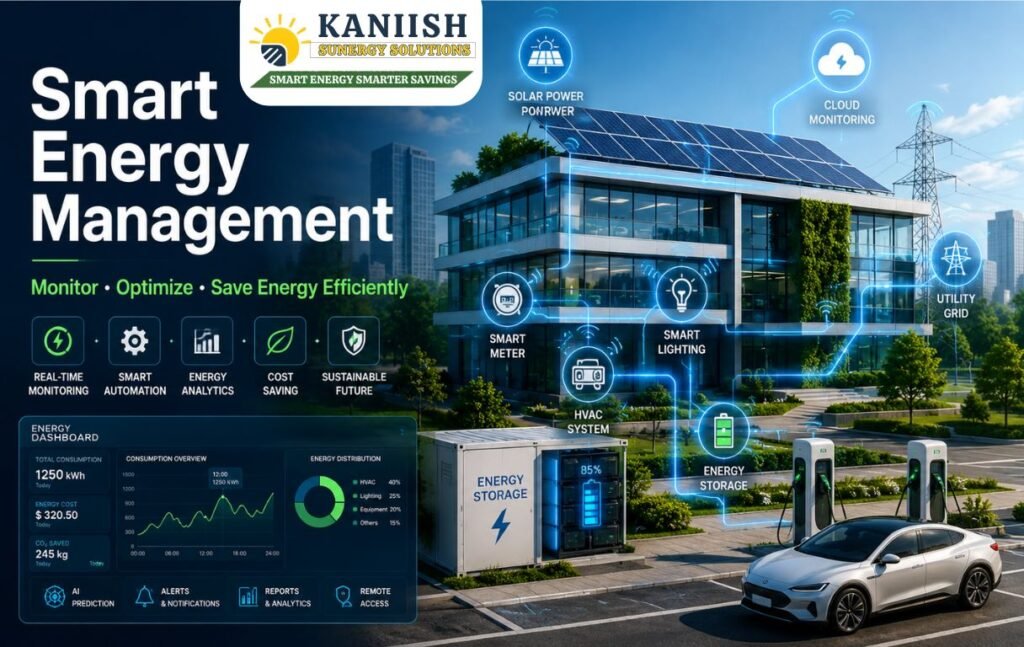
Solar Monitoring Systems & Why You Need One

Introduction : The solar sector is growing as an established and sustainable energy grid. But putting up solar panels is not a guarantee of maximum efficiency. You require an intelligent approach to monitoring, controlling, and optimizing your system. Solar monitoring systems are there for the same reason. It gives you insight in real-time, helps to catch issues early and aids you to reap the biggest bang for your buck. Introduction to Solar Monitoring System : Solar monitoring system monitors the performance of your solar power setup. If you have installed one, it pulls the information from your solar panels, inverter or battery. Then it displays this data with the help of dashboards, mobile apps or web-based platforms. That is what you get with this system: a) Energy production in real time b) Daily, monthly, and yearly output c) System health and efficiency d) Fault or performance drop Alerts So, you will be aware and be at ease with your solar system. How Solar Monitoring Systems Work : It starts with sensors and inverters gathering information from your solar panels. The next step involves sending this data to a cloud-based platform or local device. The software then processes and presents it to you in an easy-to-read way. In addition, multiple systems have mobile applications. This means you can check on how well your solar is doing at any time and from anywhere. Top advantages of solar monitoring systems : a) Real-Time Performance Tracking So you can immediately see how much your system is producing. So you know if your panels are working Well during the day. b) Early Fault Detection There could be shading or dust or maybe some inverter-related issues with solar systems. But, monitoring systems notify you instantly. This allows you to solve issues before they affect productivity. c) Improved Energy Efficiency Monitoring your electricity use and generation allows you to be more economical. You can utilise high demand appliances at peak solar times. d) Better Return on Investment Setting up solar is an expensive affair. But, monitoring helps you maximize your yield. As a result, you get back your investments sooner. e) Remote Access and Control There is no need for you to remain in the vicinity of your system. Instead, you can observe everything via smartphone or laptop. This provides convenience and flexibility. Types of Solar Monitoring Systems a) Basic Monitoring Systems They represent the total energy production of these systems. They suit small residential setups. b) Panel-Level Monitoring With that in mind, these systems monitor each panel, monitoring for the unique status of each panel specifically. For that reason, they assist in finding poor panels fast. c) Advanced Monitoring Systems Their implementation consists of advanced analytics systems, and integration with weather data along with predictive maintenance., They are well-suited for commercial or industrial-level installations. The Importance of a Solar Monitoring System : If you do not monitor, then your monitoring is based on assumption. Solar panels, however, could degrade over the years caused by dust, shading or technical failure. These problems may go unnoticed if you do not monitor performance. However, monitoring systems offer the maximum transparency. It will help your system run at maximum capacity every single day. It is a part of enhancing your energy independence, while also containing costs by minimizing unnecessary energy waste and upkeep expenses. Choosing the Right System: Some Tips 1. Select a system with a simple user interface 2. Seek data monitoring in real time 3. Ensure mobile app compatibility 4. Look out options for alert and notification 5. Consider scalability for future expansion Use these tips to choose a system that will meet your needs. Conclusion : A solar monitoring system is an important technology that helps to improve the effectiveness and longevity of your solar system. They also offer real-time insights, help detect problems at an early stage and support decision making. As a result, monitoring should never be neglected as it is the key to making the maximum benefit possible from your solar investment. Now you can turn your solar system from a basic energy supply into an intelligent and maximized power source.

Scroll to Top