Author name: inspiresales14@gmail.com

Technician cleaning rooftop solar panels while monitoring system performance on a tablet under bright sunlight
Uncategorized

Solar Maintenance tips to get the Most out of your Solar Panels

Introduction : One can use Solar energy for electricity, which is a smart and effective way of reducing the cost. Your solar system will not operate at new efficiency level without proper maintenance. A well-maintained boiler also offers much greater efficiency, increased longevity and a better return on your investment. In this guide, we are going to provide you with some practical and easy maintenance tips for keeping your solar panels in optimal working condition. 1. Clean Solar Panels Regularly Dust, dirt, bird dropping and leaves can obstruct sunlight and harm efficiency. You should thus clean your panels every few months at least. Please use soft water, sponge or gentle cloth to avoid scratches. Also, clean in the early morning or late evening to avoid thermal shock. 2. Monitor System Performance You must always monitor your solar system’s performance. Most systems include monitoring apps or software that display real-time performance. If you see a sudden drop in energy production, then you can get to and remediate the problem quickly. Thus, you prevent long-term efficiency penalties. 3. Check for Shading Issues Trees grow over years, and new buildings might cast unexpected shadows. Even partial shading can greatly cut energy output. So prune nearby branches as needed and make sure nothing new obstructs sunlight. With this simple step you’ll be able to keep the performance consistent. 4. Inspect for Physical Damage Solar panels can be damaged by strong winds, heavy rain or debris. So you should check your system for cracks, loose wires or rust. Contact a professional technician as soon as you find any issues. Spotting the small issues early will save you from bigger ones down the road. 5. Keep Inverter and Battery Maintained The inverter, which converts that solar energy into usable electricity, is the heartbeat of any system. Ensure that it functions appropriately and lookout for any parathyroid warning signs. If your system has batteries, monitor their charge levels and health periodically. As long as you maintain it properly, energy storage and usage will happen smoothly. 5. Schedule Professional Maintenance While you can manage basic cleaning, professional servicing is also a must. Professionals identify hidden problems, optimize systems and guarantee safety. Thus, get a click with an expert for cleanup at least once per year. 7. Ensure Proper Panel Positioning But solar panels also need to be facing the right way and be inclined at the right angle to get maximum sunlight. Over time, the mounting structures can shift a bit. Check alignment from time to time and correct if needed. This move will step up energy generation considerably. 8. Protect Against Pests Birds and small animals may construct nests underneath solar panels, damaging wiring. Avoid this by covering the area with protective mesh or barriers. This way, you secure your system and ensure it keeps running smoothly. Conclusion : A key component of solar efficiency comes from proper maintenance. To begin with, regular cleaning of panels keeps dust and debris from blocking sunlight. In addition, tracking system performance helps you identify issues early. As a result, you can address problems quickly and ensure maximum energy production. Moreover, scheduling regular professional servicing and following preventive maintenance practices will extend the lifespan of your system. Therefore, when you follow these simple yet effective tips, your solar investment will deliver reliable, efficient, and long-lasting performance for years to come.

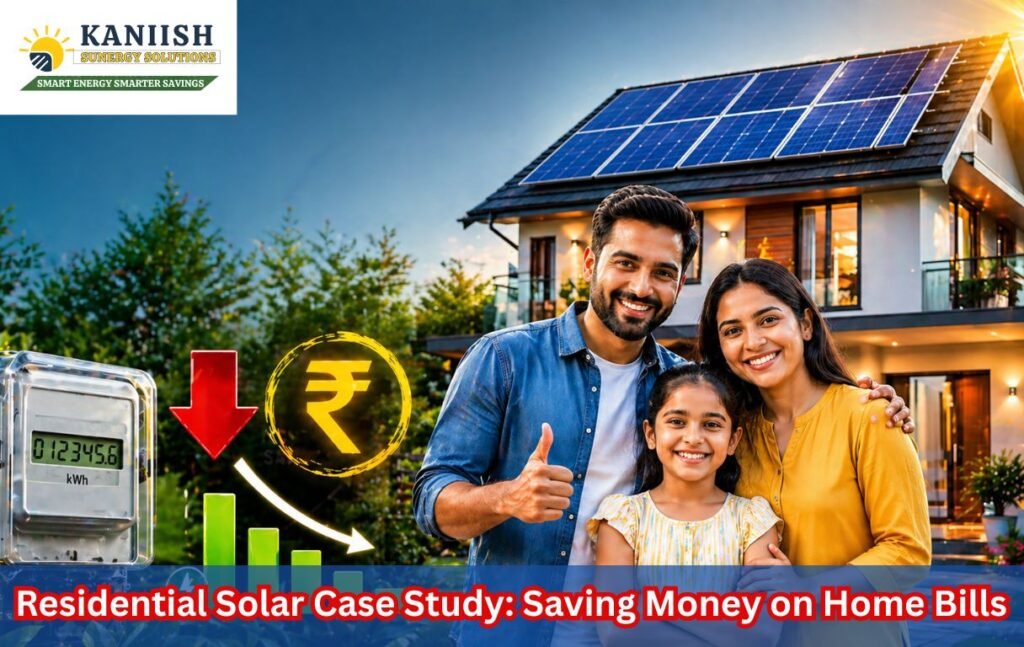
Smiling customer portrait with solar energy company branding
Uncategorized

How to Prepare Your Roof for Solar Panel Installation

Introduction As solar power becomes more popular, many homeowners are installing rooftop solar panels to cut energy costs and help the environment. However, you can not just put a solar system on any roof without preparation. Utilizing a roof that is properly prepared will result in easier installation, and the most effective working solar panels for consumers. 1. Assess Your Roof Condition Begin by assessing the condition of your roof. Solar panels typically last 20–25 years, so your roof needs to remain strong enough to support them long term. Look for leaks, cracked shingles, or structural damage. If your roof has reached its end of life, fix or replace it before installing solar panels. This method saves you from costly removal and reinstallation down the line. 2. Check Roof Orientation and Angle Check your roof’s direction and angle next. Solar Panel Efficiency South-facing roofs get the most sunlight. But east- and west-facing roofs can be good options, too, depending on your energy needs. You also want to take the roof’s pitch into account. The 15° to 40° angle makes it easier for you to catch sunlight. 3. Evaluate Structural Strength Make sure your roof can support the extra weight of solar panels and mounting systems. Most contemporary roofs can bear this load, but be sure to have a pro evaluate the structure. Older buildings or roofs built with less robust materials might need to be reinforced. 4. Clear Obstructions and Shade Remove anything that prevents sunlight from hitting your roof. Shadows from trees, chimneys and nearby buildings often impede solar panel performance. Pretty much trim any branches that overhang the panels or have them not placed in such a way to impede energy generation dramatically. 5. Review Roofing Material Compatibility Your roofing material affects the installation process directly. For example: a) If you want solar installed on asphalt shingles, the type of roof that’s easiest and most common. b) It also helps that metal roofs work extremely well c) Specialized mounting systems are needed for tile or slate roofs By knowing your roof type, you assist the installers in selecting the right equipment while avoiding damage. 6. Plan Electrical System Upgrades Test your home’s electrical system prior to installation. Ensure your electrical panel is capable of supporting the solar system’s capacity. You may need to upgrade your panel or wiring so that solar power can safely enter your home. 7. Obtain Necessary Permits and Approvals Obtain the necessary permits and approvals from local authorities or housing associations. This process is typically handled by certified solar installers who ensure that everything meets regulations. 8. Choose a Reliable Solar Installer Choose a reliable and seasoned solar installation company. A professional installer will examine your roof, determine the best system design and installation process for you, and get it up in a safe and efficient way. Always read customer reviews, certifications and warranties before you decide. 9. Schedule a Professional Inspection Schedule a repair inspection prior to installation. Inspectors will assess the integrity of your roof, electrical system and overall readiness. Taking this step will save you a world of trouble from types to install it and finished it without any hassle. Conclusion First of all, the best opportunity to ensure a successful solar energy system begins with proper roof preparation before going solar. By carefully evaluating your roof, removing potential obstacles, and upgrading essential systems as needed, you can significantly improve solar efficiency. Moreover, this proactive approach not only enhances performance but also ensures long-term durability and maximum energy savings. By preparing your roof nicely, you can cover an investment in your building and enjoy multiyear energy efficiency and sustainability.

Technicians installing solar panels on a residential rooftop with inverter setup and wiring under bright sunlight, representing the step-by-step solar installation process.
Uncategorized

Solar Panel Installation: A Step-by-Step Process

Introduction : With electricity prices on the rise, and environmental concerns becoming a factor in everyone’s decision making process, solar power can be an effective solution for your home and business. But many are reluctant to make the jump because they are not sure where to even start with all of the installation. It can help to know each stage, which will give you confidence and allow yourself to make an important investment. This blog post gives you a very clear rundown of what to expect when it comes to the solar installation process. 1. Initial Consultation and Site Assessment First you consult a solar provider. At this stage, specialists also look over your electricity bills, analyze your energy needs and check out your roof. They also assess your exposure to sunlight, shading and the available space on your property to see if it’s right for solar installation. 2. System Design and Proposal Experts then take the assessment and develop a tailored solar system. They determine the number of panels, choose the appropriate kind and design how to lay them out. Next, they give you a detailed proposal with costs, expected energy savings and payback period. 3. Approvals and Documentation Then you get the necessary approvals and permits. This includes approval from local bodies and electricity boards. Generally, your solar provider takes care of the paperwork, which guarantees that you meet all applicable regulations and saves you time. 4. Procurement of Equipment Once the approvals are secured, the provider purchases all necessary components, including solar panels, inverters, mounting structures and wiring. If you’re at this stage, investing in better equipment will guarantee greater efficiency with longevity. 5. Installation of Solar Panels The installation team then gets underway with the setup. They safely attach the solar panels to your roof or other place. Simultaneously, they position the blobs to correctly angle the panels, ensuring that sunlight is maximally harvested and offset. 6. Electrical Wiring and Inverter Setup Then the panels are wired together by technicians. They mount the inverter, which converts solar power into electricity that can be used in your home or business. So, you will have your system ready for use. 7. Testing and Commissioning After install is complete, the team tests the whole system. They inspect all connections, test performance and confirm safety standards. Finally, they switch on the system after verifying that everything is functioning properly. 8. Net Metering Connection Often, you add a net meter to monitor energy consumption. The system tracks how much electricity you generate and how much you take from the grid. Hence, you could sell excess energy to the grid and save electricity bills. 9. Monitoring and Maintenance Once activated, your system can be monitored by mobile apps or tracking tools. In addition, regular cleaning and occasional checks keep performance high and prolong the life of the unit. Conclusion The installation process is fairly straightforward provided you take the right steps and work with a trusted provider. Each stage from consultation to commissioninging plays a vital part in guaranteeing safety and efficiency. So, know the process & make an informed decision to switch over for solar energy with confidence. Therefore, you are able to save money in the long term and at the same time help protect a smarter and greener world.

Energy Storage & Backup Power Systems for All Requirements
Uncategorized

Energy Storage & Backup Power Systems for All Requirements

Introduction : Power is an essential element in our lives, used to operate homes and maintain businesses. But infrequent power supply and energy instability can ruin everything in a moment. Thus, energy storage and backup power systems have become a necessity rather than an optional feature. Not only do these systems guarantee uninterrupted power but they increase efficiency and sustainability as well. Understanding Energy Storage Systems : Energy storage systems store electricity to use later. In other words, they are like a power back for your home or business. Batteries, for example, keep and store energy produced by solar panels or the grid. You can then use this stored energy when there is a power cut or during peak demand hours. In addition, there are several types of energy storage technologies available today, such as lithium-ion batteries, lead-acid storage solutions and cutting-edge hybrid systems. Both options have their own advantages which are dependent on your needs and budget. Why Backup Power Systems Matter : Power outages can create major issues. For example, businesses could lose productivity and households may experience discomfort. This is where backup power systems come to the rescue. Did you know that generators, inverters and battery backup systems mean instant power when the main supply fails? This allows you to go about your daily life as normal. Moreover, these systems save equipment from damage due to sudden power outages. Types of Backup Power Solutions : Different users require different solutions. So let’s compare the most popular ones: 1. Inverters & Batteries : These systems store electricity and deliver power directly during outages. They’re ideal for homes and small offices. 2. Diesel or Petrol Generators : These generators deliver high power output. This is the reason why large business and industries prefer them. 3. Solar + Battery Systems : These systems pair renewable energy with storage. That translates into lower electricity bills and helps the sustainability effort. 4. Hybrid Systems : These systems unite various energy sources. As a result, they provide peak productivity and dependability. Advantages of Energy Storage & Backup Systems : Energy storage and backup systems have various benefits including: 1. Uninterrupted Power Supply : You can conduct operations without any disruptions. 2. Cost Savings : It allows you to store energy during the low-cost periods and use it later, which can help bring down electricity bills. 3. Energy Independence : You become less reliant on the grid, especially if you tap into solar energy. 4. Environmental Benefits : By using renewable energy sources, you create fewer carbon emissions. Choosing the Right System : As always, you should choose your system based on the needs of you and those around you. First, consider your power consumption. Now assess your budget and the room you have for such an addition. Additionally, think about future expansion. A small home, for instance, might require just an inverter and battery. Conversely, a factory might need generators for redundancy and even some solar interconnections. Hence, choosing the right system guarantees effectiveness and reliability in the long run. Future of Energy Storage : Technology continues to evolve rapidly. This dynamic is making energy storage systems more efficient, cheaper and smaller. Performance will be enhanced by innovations like smart batteries and artificial intelligence-based energy management systems. Additionally, Renewable energy is supported by governments and organizations. Thus, energy storage is essential for a sustainable future. Conclusion : Energy storage & backup power solutions are the best solution for modern energy issues. They provide power without interruption, lower costs and promote sustainability. Hence investing in an appropriate system can change the whole approach to your energy management. To sum this all up, whichever one it is you operate — a home or a business; your energy storage solution should suit. Integrate an Ideal Solution: Enjoy Better Power, A Enhanced Future

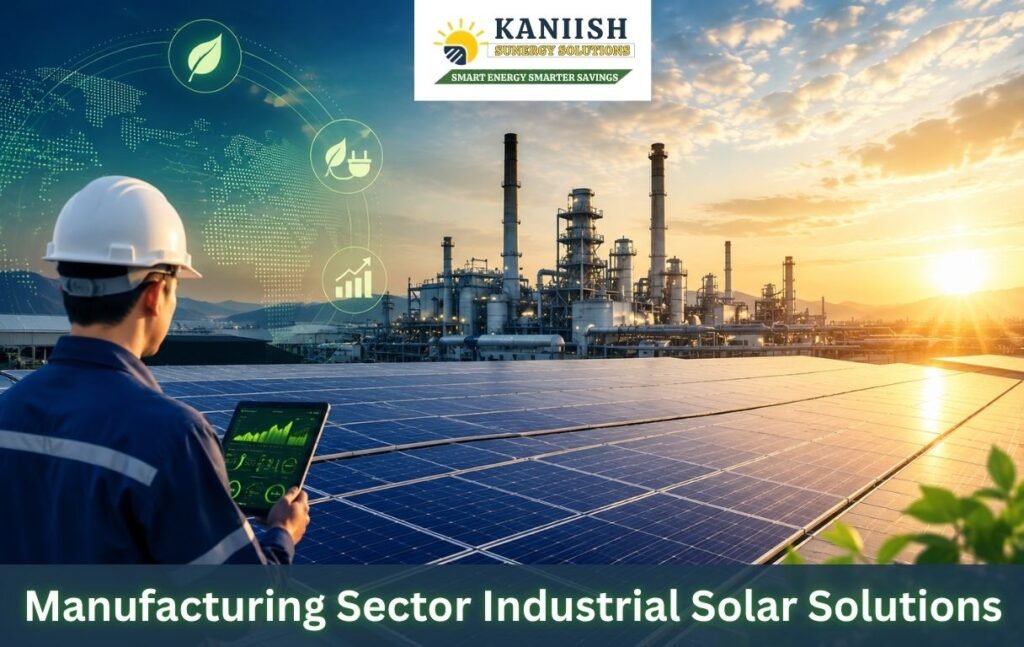
KANIISH Sunergy Solutions branding with a creative visual representing sustainability, clean energy, and industrial solar power solutions, highlighting eco-friendly innovation and renewable energy adoption.
Uncategorized

Industrial Solar Power Solutions Explained

Introduction : Today, industries are suffering from escalating energy costs and facing greater regarding adopting sustainable practices. As a consequence, numerous companies are actively seeking cleaner energy options. Industrial solar power solutions are one of the best and reliable among these. Not only do they decrease the costs of electricity, but also allow companies to achieve environmental objectives. So in this blog, we are going to clarify what industrial solar power solutions are and how do they work along with the explanation of why industries should run on solar power solutions. What are Industrial Solar Power Solutions? : this industrial solar power solution is a large scale solar energy system specifically made for factories, warehouses and manufacturing units. These arrangements produce greater output to meet the high energy demand as opposed to on residential systems. Companies usually put solar panels on roofs, open land and sometimes parking structures. These systems then use photovoltaic (PV) technology to harness sunlight and convert it to electricity. Hence, industries can run their operations with utmost efficiency without being 100% dependent on the conventional electricity sources. How Does an Industrial Solar System Work? : Solar panels first absorb sunlight and generate direct current (DC) electricity. Next, an inverter converts this electricity from direct current (DC) to alternating current (AC), which is usable by machines and appliances. In the meantime, the system powers down electricity throughout the facility. If the system produces surplus power, businesses can also store it in batteries or send that electricity back to the grid depending on local regulations. Consequently, industries achieve better energy use and expenditure management. List of High Quality Industrial Solar Solutions : To know these systems better, let’s see the main components: a) Solar Panels: Harness the power of sunlight to create electricity b) Inverters: DC to AC converters c) Mounting Structures: Rooftops or ground support panels d) Management Systems: Measure performance and productivity e) Battery Storage (optional): Store extra energy for later All these parts work in concert to ensure that energy production is smooth and efficient. Benefits of Industrial Solar Power : 1. Significant Cost Savings : First, solar energy greatly decreases electricity bills. In the long run, industries are able to recoup their initial investments and achieve sustainable savings. 2. Energy Independence : And companies decrease reliance on grid power. This can be very beneficial in power shortages or fluctuations of price. 3. Environmental Impact : Furthermore, solar energy generates clean and renewable electricity. Hence, industries reduce their carbon footprint and work towards sustainability goals. 4. Low Maintenance : Solar systems are low-maintenance once they are up and running. They run efficiently with routine cleaning and periodic inspections. 5. Government Incentives : In addition, a significant number of governments provide subsidies and tax incentives This incentivizes and helps make solar affordable. Applications in Industries : Solar industrial solutions perform within multiple verticals. For example: a) Solar power for manufacturing units machines b) Logistics: Warehouses are powered by solar for lighting and operating c) Mainstream textile industries lowering high energy usage d) Sustainable production by food processing units Therefore, solar energy is beneficial for almost every industry. Challenges to Consider : While solar energy has several benefits, the corporations must also address a number of issues. The upfront installation cost may seem steep at first. But this investment is far outweighed by long-term savings. Industries also require adequate space for the installation of panels. Energy generation can also depend on the weather, but modern systems are designed to minimize this impact through advanced technology. The Case for Industrial Switch to Solar — Today! : Energy demand is still ever increasing and environmental concerns are accelerating. Thus, industries should act responsibly and strategically. A company that goes solar today will save money, and it’s also good business because we’re creating a sustainable reputation. Furthermore, having an early mover advantage in a competitive landscape. Conclusion : Finally, industrial solar power solutions have the unique ability to reduce costs, lead to a sustainability-driven energy independence. Solar energy is expected to be decisive in the development of a more environmentally friendly tomorrow, as it keeps on evolving into industries. This means that companies need to adopt solar solutions now so they can enjoy long-term benefits and make the environment cleaner.

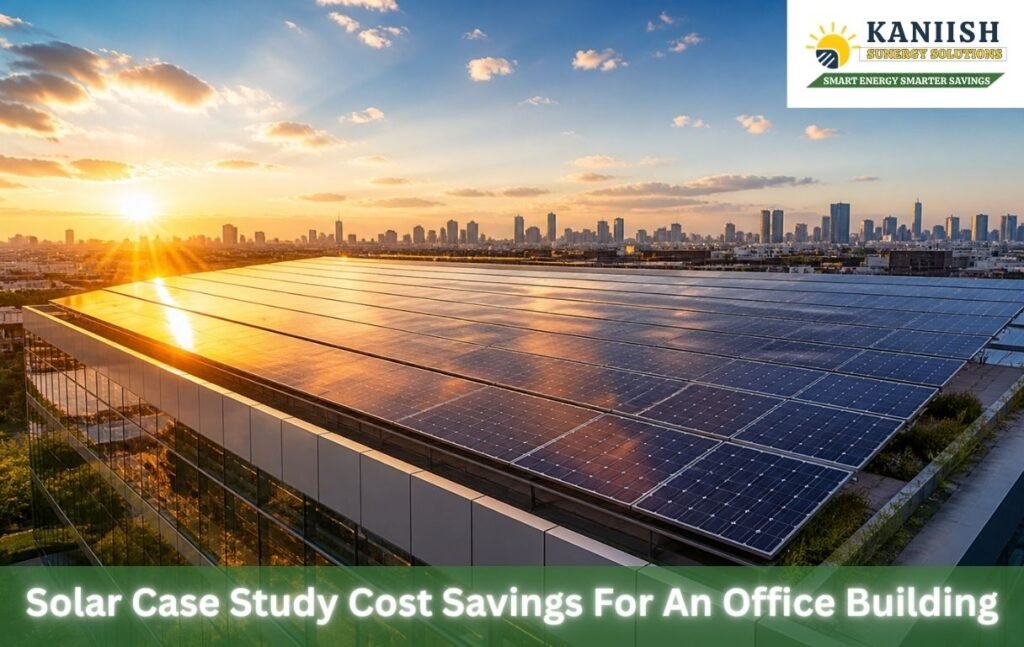
Commercial building with rooftop solar panels reducing business energy costs
Uncategorized

How Commercial Solar Systems Reduce Business Energy Bills

Introduction : These days, business must deal with climbing electricity prices; and increasing pressure to function in a sustainable way. This is why many companies are now looking towards a practical solution in solar energy. Commercial solar systems provide some of the lowest operating and maintenance cost, promoting long-term financial sustainability. Furthermore, they offer businesses energy independence along with sustainable environmental stewardship. This article will look at how solar systems for commercial use can help cut energy expenditures, and why they represent a wise investment for businesses in the modern age. Understanding Commercial Solar Systems : Commercial solar systems, in particular, harness sunlight and turn it into electricity through a series of panels on rooftops or open land. These systems provide direct power to business processes. As a result, companies use less grid electricity. Modern solar systems are also equipped with smart, modern inverters and monitoring tools. As a result, businesses can monitor energy generation and maximise energy utilisation effectively. Reduction in Electricity Costs : Cost savings is one the greatest benefits of commercial solar systems. Rather than buying all of their electricity from the grid, businesses are generating their own power. As a result, the monthly electricity bill drops significantly. Another thing is that solar energy receives for free from a sun. Once businesses adopt the system, they can escape increasing utility rates. In the long run, this gives a lot of savings and better finance planning. Protection Against Rising Energy Prices : The cost of electricity is on the rise year after year. But solar energy offers a dependable substitute. Producing power helps businesses become less reliant on ever-changing energy tariffs. The result is that businesses have more control over their energy costs. This stability allows businesses to plan budgets more smoothly, preventing sudden spikes in costs. Government Incentives and Tax Benefits : In many places solar is encouraged by the government with incentives. Businesses can receive tax deductions, subsidies or accelerated depreciation. These incentives lower the cost of the initial investment. As a result, businesses see faster returns on investment. Thus, a solar system saves you money but also maximizes your savings. Low Maintenance and Long-Term Savings : Commercial solar systems do not require significant upkeep. Solar panels, once installed, run efficiently for decades. Systems generally have an expected life of 20–25 years or longer. Routine cleaning and simple inspections keep these devices working properly. Because maintenance expenses are minimal, companies save money over the lifetime of the system. Net Metering Benefits : Another major component has to do with net metering. If a solar system produces more electricity than the company can use, the businesses can export it back to the grid. They in turn receive credits on their electricity bills. Thus, organizations optimize energy management and minimize energy wastage. It reduces overall energy costs even more and saves additional money. Improved Brand Image and Sustainability : Customers today favor businesses that are environmentally responsible. Installing solar energy shows a company’s dedication to sustainability. Additionally, solar energy decreases a carbon footprint and ecological hazards. Hence, organizations not only save money but also create a good brand image. This, in turn, attracts customers and partners who are eco-conscious. Energy Independence and Reliability : Business can be disrupted due to power outages and supply disruptions. Solar systems, though, enhance energy reliability. When used with battery storage , they serve as backup power when the grid goes down. As a result, companies continue their operations without a break. This reliability provides an additional layer of financial and operational security. Conclusion : Finally, we come to commercial solar systems: An effective tool to go easy on business energy bills. They also reduce electricity costs, guard against rising prices and offer long-term financial benefits. In addition, they enable sustainability objectives and contribute to brand image. Hence, businesses that embrace solar power are setting themselves up for growth and stability in the future. Companies not just save money by switching YESTERDAY also contribute for a clean and green tommorow.

On VS Off Grid Solar Systems – Which system is best for you?
Uncategorized

On VS Off Grid Solar Systems – Which system is best for you?

Introduction : As electricity costs surge and consciousness towards sustainable living rises, solar energy is fast becoming the preferred choice for homes and businesses a like. But the most significant choice when it comes to solar power is a decision between an on-grid and off-grid solar system. Both systems have their own unique advantages, but it ultimately comes down to your energy needs, budget and location. In this post, we’ll break down the features, benefits and limitations of each system so you can make an informed decision you work best for your organization. What does an on-grid solar system use? An on-grid solar system (or grid-tied system) is directly connected in parallel with the local electricity grid. It creates electricity via solar panels and provides it to your home, as well as interacting with the grid. How It Works : 1.Solar produces energy during daylight 2.Any excess power is fed back to the grid 3.When solar generation is low, you can pull electricity from the grid Key Features : 1.No battery storage required 2.Net metering (receive credits for excess power) 3.Lower installation cost What Is an Off-Grid Solar System? An off-grid solar system, as the name implies, runs separately and isn’t attached to the electric grid. It uses Battery storage to supply energy when solar power is not available. How It Works : 1.Solar panels generate electricity 2.Energy is stored in batteries 3.Energy is stored during the day, to be used at night or on a cloudy day Key Features : 1.Complete energy independence 2.Requires batteries for storage 3.Suitable for remote areas Advantages of On-Grid Solar Systems : 1.Affordable: Initial cost will be lower without batteries 2.Benefits of Net Metering: Get credits for deadweight energy 3.Easy Maintenance: Fewer components 4.Efficient: Direct use and line support Limitations : 1.No power during outages 2.Dependent on the grid Advantages of Off-Grid Solar Systems : 1.Energy Independence: No electricity provider dependence 2.Electricity Backup: In case of breakdown, there is no outage 3.Perfect in a Secluded Area: Functioning society where electrical utility is not within reach Limitations : 1.Higher installation cost 2.Battery maintenance required 3.Limited energy storage capacity Which system is best for you? Whether you go with on-grid or off-grid depends on your situation: Choose On-Grid If : 1.You exist in a city or town with dependable electricity 2.You are trying to save on power bills 3.You prefer a lower investment Choose Off-Grid If : 1.You live off-grid in a remote area 2.You need uninterrupted power supply 3.You want complete energy independence Hybrid Solar System: The Best of Both Worlds : For those who want the benefits of both an on-grid and off-grid solar system, consider a Hybrid solar system that connects to the grid with battery storage. It allows you to: 1.Store excess energy 2.Use grid backup when needed 3.Enjoy power during outages Conclusion : Both on-grid and off-grid solar systems offer unique advantages; however, the ideal choice ultimately depends on your energy consumption needs, as well as your location and budget. Therefore, it is essential to carefully evaluate these factors before making a decision.”their own benefits, but an ideal pick actually depends on your energy consumption needs as well as location and budget. On-grid system is best if you are looking at cost saving and simple solutions. But if you need total independence and reliability, it is worth the investment in an-off grid system. The right solar solution today can SAVE you money, guarantee energy security and help build a greener future!

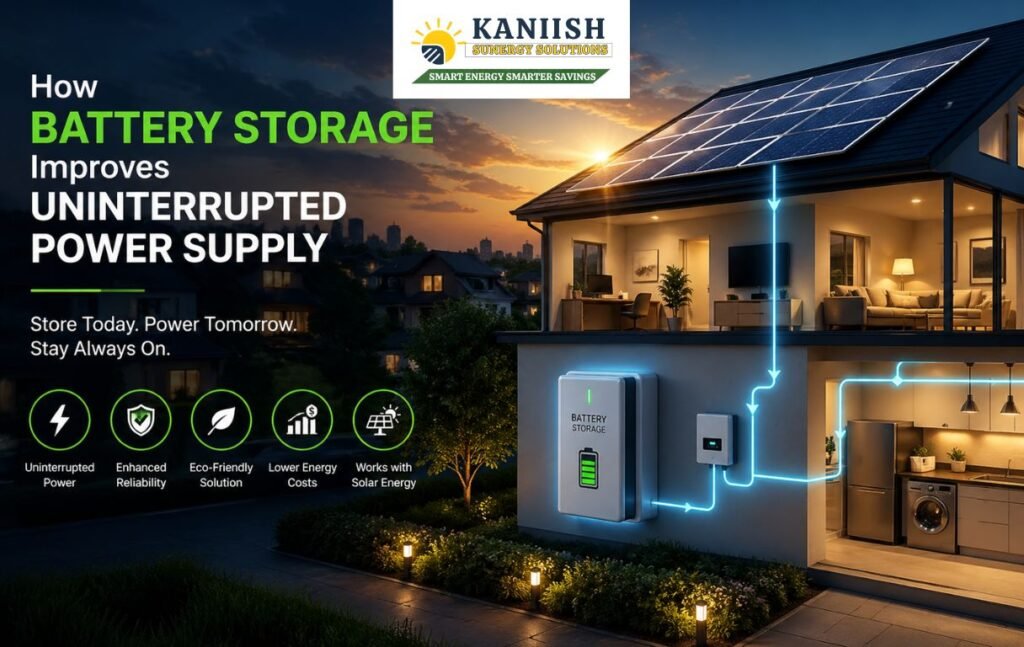
Modern battery storage system with solar panels for efficient energy use
Uncategorized

The Importance of Battery Storage Solutions

And still, energy consumption is increasing day after day. Power is essential almost all the time in homes, offices and industries. At the same time, people have begun to scrutinize where that energy comes from. This has led to an increasing need for clean and sustainable energy. So where do battery storage solutions come into play? In other words, they address a very real need. They do not waste unnecessary energy but store it to provide when required. This makes energy more reliable, efficient and manageable. What Battery Storage Really Means : So what does battery storage do? Simply, battery storage is a way to store energy for later use. For example, solar panels typically produce more electricity in the afternoon than you will probably use. Without storage, this energy is wasted or returned to the grid. But with a battery system you can capture that extra power and use it up at night. This way, you can take charge of when and how you consume power. And these systems vary a lot in size. Fewer units are effective for homes, and bigger systems anchor businesses and industries. Others install batteries mainly for backup. Some use them every day to balance energy better. Why It Matters More Than Ever : Renewables deliver enormous benefits but present a challenge. Solar panels only work in the daytime, and wind turbines are subject to the weather. Energy production thus doesn’t always align with energy demand. That is where battery storage comes into play. Batteries store excess energy, rather than letting it go to waste. And then, when production declines they provide power instantly. As a result, this makes renewable energy more reliable. In other words, battery storage transforms an intermittent energy source into a dependable one. As a result, homes and businesses can PullItyank their dependence on fossil fuels. Meanwhile, battery systems support more intelligent energy consumption. They assist users in determining when and how to use energy. As a result, this increases efficiency and reduces costs. The Real Benefits People Notice : When people start using battery storage they notice the difference almost immediately. First, electricity bills go down. You can save energy when rates are low and get it during peak hours. And this nets real savings over time.” Next, you gain more independence. You become more independent of the grid, particularly when supply is unstable. That’s why you have more power in your hands. Then, backup power becomes reliable. Power cuts are no longer a hindrance to your daily schedule or business functions! Instead, critical systems continue to operate unabated. It is also environmentally friendly. Using stored potential energy allows you to reduce your reliance on fossil fuels.) This reduces carbon emissions. Finally, energy usage becomes smarter. You can distribute consumption over the course of a day rather than just in on-peak time. It also relieves the grid of stress, which enhances overall efficiency. Technology Is Improving (and Accelerating) : Battery technology has evolved quite a bit in the past few years. Currently, lithium-ion batteries dominate the industry for their high efficiency and long life. Meanwhile, newer technologies keep coming up. (It claims, for example, that solid-state and flow batteries offer improved safety and performance.) This trends makes the future of energy storage more auspicious. They come with advanced management tools in modern battery systems. These systems monitor performance, manage energy flow and optimize utilization. This means batteries endure longer and work more efficiently. In addition, many systems connect with smart grids today. This results in improved coordination of energy generation, storage and consumption. Looking Ahead : Battery storage, as we progress, will become even more significant. The use of renewable energy is growing, so the need for effective storage as well. New technologies such as electric vehicles, smart homes or new industrial plant depend on ideal energy systems, for example. Storage is needed to work optimally in these types of systems. This is why governments and companies are pouring money into battery technology. This pivot illustrates quite clearly where the future lies. For businesses, this translates to greater cost control and operational efficiency. For homeowners, it offers convenience and peace of mind. Overall, it enables a cleaner and more stable energy system. Conclusion : Ultimately, what it comes down to is that battery storage solutions make energy more usable. They help you save money, stay prepared in the event of outages, and better leverage renewable energy. They also provide you with more control over how and when you leverage power. As energy demands rise, such flexibility is crucial. As such, battery storage is not merely a prudent investment—it’s an indispensable preparation for a more reliable and sustainable future.

Selecting the Best Solar Panel for Your Roof
Uncategorized

Selecting the Best Solar Panel for Your Roof

Introduction : Are You Thinking About Switching to Solar? If so, selecting the perfect solar panel for your roof is the first and most crucial step. Today, most homeowners prefer solar energy for minimizing electricity bills and gaining energy independence. But to maximize performance and long-term savings, you must choose the correct panel. Understand Your Energy Needs : You have to begin by determining how much electricity you use each day. This allows you to determine the system size necessary. For example, a small home will need fewer panels than a large house or commercial building which would require a larger capacity. Make sure to check past electricity bills before making up your mind. Types of Solar Panels : Another step to take is research the different types of solar panels on the market. Monocrystalline Solar Panels : These panels have high efficiency with a long lifespan. Also, they are effective even in minimal roofing space. Polycrystalline Solar Panels : These panels are cheaper than monocrystalline versions. However, they lose bit of efficiency. Thin-Film Solar Panels : They are thin and flexible panels. They are also bulky, needing more installation space. So you should decide based on your budget, your space and your energy goals. Check Your Roof Condition : You need to examine your roof condition before installation. A solid, undamaged roof underpins long-term solar performance. And roof direction and angle matter, too. South-facing roofs tend to produce more electricity. Consider Efficiency and Performance : Solar panel efficiency directly affects how much energy output they can produce. Panels with a higher efficiency generate more power per unit of space. They do not cost as much upfront but generate better returns over time. So you have to make a trade-off between cost and performance. Budget and Government Subsidy : GET SOLAR Solar installation comes with some upfront investment. But it cuts electric bills when it is online. Govt subsidies and incentives make the solar systems affordable. Therefore, before installation you must check available subsidy options. Choose a Trusted Brand : In addition, opt for a trusted solar brand to get reliability backed by quality. You get better quality and warranty, from trusted brands. Another benefit is that solar panels normally have a 20–25 years of warranty, which ensures your long-term investment.  Professional Installation and Maintenance : Lastly, when it comes to professional installers, they will properly set up the system for you as well. So an expert installation boosts efficiency and safety. Once installed, routine cleaning and maintenance keep them running efficiently. Conclusion : Take home message: Selecting solar for your roof is not a spur of the moment decision. You can make a smart decision by knowing your energy needs, weighing the types of panels, examining your roof, and considering your budget. In the end, the correct solar solution saves you money on your electricity bill and is a step in support of your sustainable future.

How Kaniish Sunergy Team Designs Custom Solar Solutions
Uncategorized

How Kaniish Sunergy Team Designs Custom Solar Solutions

Introduction: With the prices of electricity increasing and some environmental concerns to that effect, more and more homeowners and businesses are opting for solar energy as a destructible, renewable source of power. But no two buildings share the same energy needs, roof structures or budget. Custom solar solutions shine through here. Kaniish Sunergy is a provider of solar system design, developing systems around each customer’s individual needs. Instead of a cookie-cutter installation, the company tracks energy consumption, infrastructure, and location to ensure its customers get the best value solar power performance. Understanding Customer Energy Needs: Before designing a custom solar solution, it is essential to understand the customer’s electricity usage. Therefore, Kaniish Sunergy begins with a careful assessment of past electricity bills. This, in turn, allows them to accurately calculate the customer’s average energy consumption, ensuring an efficient and cost-effective solar installation. The team can find: 1.Daily and monthly power usage 2.Peak electricity consumption times 3.Solar power could provide potential energy savings Using these considerations, Kaniish Sunergy can provide an accurate energy estimate for each customer and design a system that will suit their requirements. Site Inspection and Roof Assessment: Not every roof is the same. In addition, the efficacy of a solar system is very much dependent on roof orientation, sunlight exposure, and available space. Hence Kaniish Sunergy carries out a comprehensive site survey with special attention into: 1.Roof size and structure 2.Orientation and pitch of the roof 3.Shadowing from nearby trees or buildings 4.This is only with respect to available space for solar panel installation This extensive evaluation helps to accurately place solar panels to allow for greater sunlight exposure throughout the day. Customized System Design: After the assessment, Kaniish Sunergy uses the information collected to create a solar system customized to fit the consumer’s roof and energy needs. The design process includes: 1.How to choose the right capacity of solar panel 2.Opt for quality brands like Waaree, Adani and Vikram Solar 3.The best placement of panels to generate energy 4.Inverter and electrical system layout design In the end, this tailored recipe is what delivers optimal performance, efficiency, and longevity. Government Subsidy Assistance: Also, one of the main benefits of solar energy installation in India is that it has subsidies from the government. But most homeowners don’t know how to qualify for these benefits. Kaniish Sunergy helps customers by: 1.Helping them navigate government solar subsidy programs 2.Assisting with the application process 3.Contributing to the lower cost of installation overall This makes solar power cheaper and more convenient for businesses and households alike. Professional Installation Process: This step comes after all designs and approvals are finalized. Every component is installed safely and according to the code by trained technicians from Kaniish Sunergy. Typically, the installation process includes: 1.First, securely mount solar panels to your roof 2.Installing inverters and electrical connections 3.Setting up monitoring systems 4.Performance testing of the entire system By taking these precautions, the crew ensures that everything is up to code in terms of safety and quality. Monitoring and Maintenance Support: Solar systems are low maintenance, but constant monitoring is needed for maximizing efficiency. Hence the reason Kaniish Sunergy goes beyond install to bring peace of mind! Customers receive guidance on: 1.Monitoring solar energy generation 2.Performing basic system maintenance 3.Troubleshooting issues when necessary Furthermore, such ongoing support ensures the proper optimization and long-term efficiency of the solar system, guaranteeing that it operates effectively and delivers maximum solar energy benefits for years to come. Conclusion: To sum up, solar energy is one of the best investments homeowners and businesses can make. However, optimizing a solar system is crucial to ensure maximum benefits. In addition, factors such as energy consumption, property features, and electricity prices must be considered to achieve the greatest savings. Kaniish Sunergy excels in providing customized solar solutions, ranging from professional installation to assisting with government subsidies. Moreover, from the initial consultation to long-term maintenance, they ensure reliable, cost-effective, and energy-efficient solar-powered systems for homeowners and businesses. As a result, homeowners and businesses enjoy lower electricity bills, greater freedom from energy dependency, and a clean, renewable source of power—while still maintaining quality and proven reliability.

Scroll to Top